

Last updated October 31, 2026
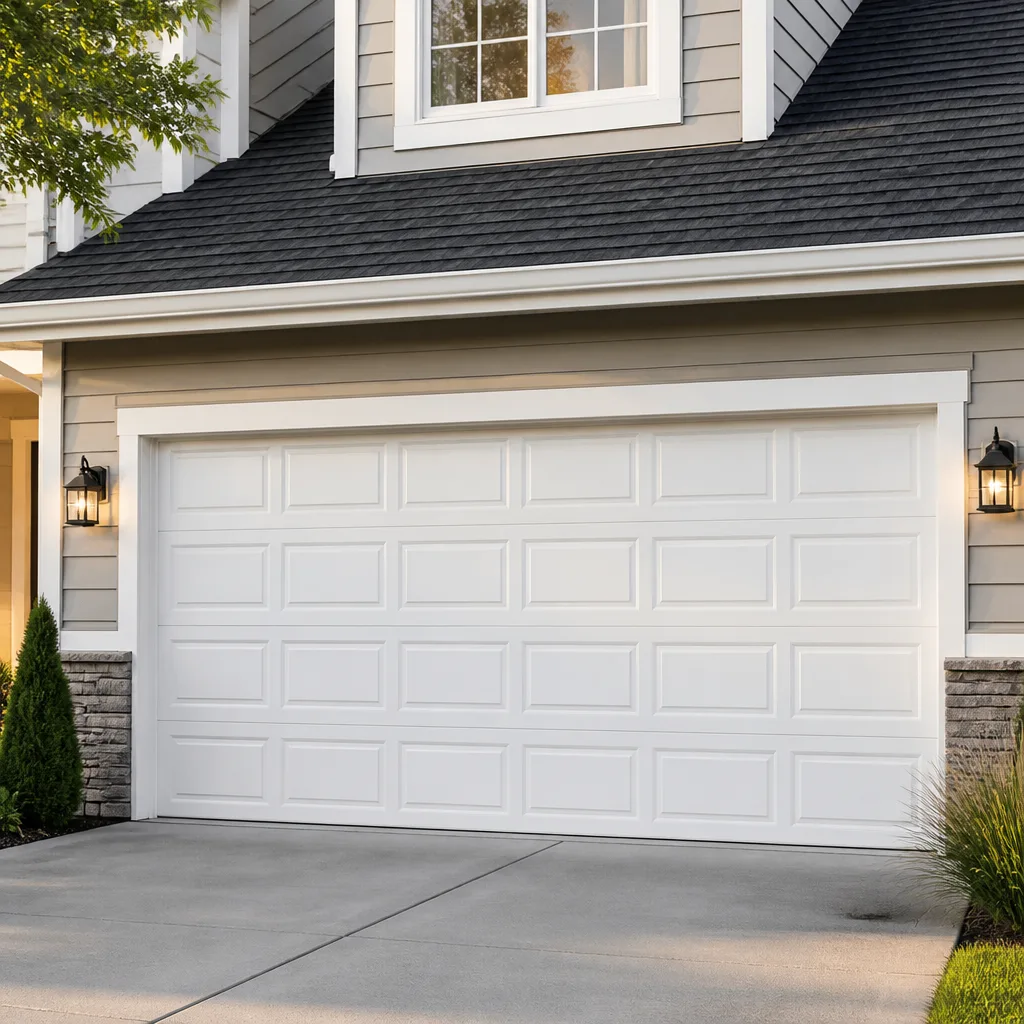 Raised-panel steel
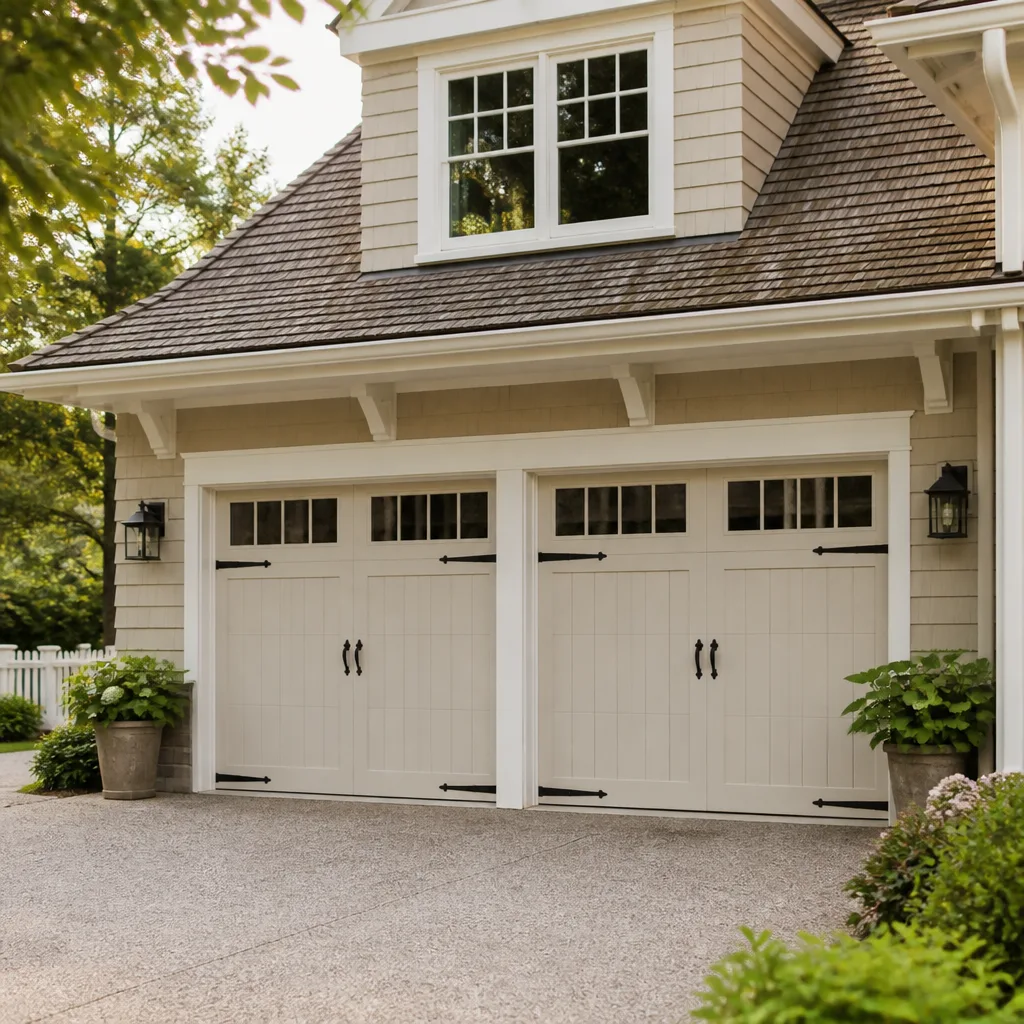 Carriage house
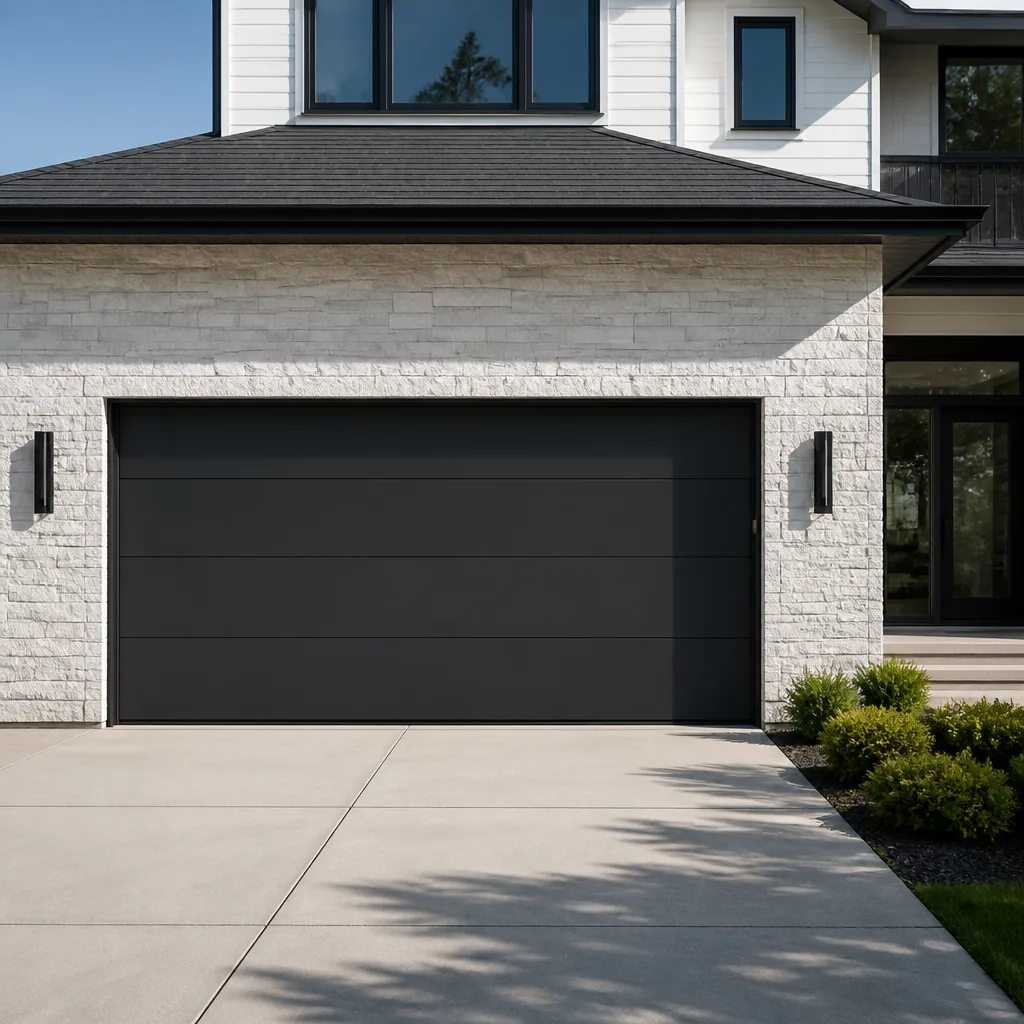 Modern flush
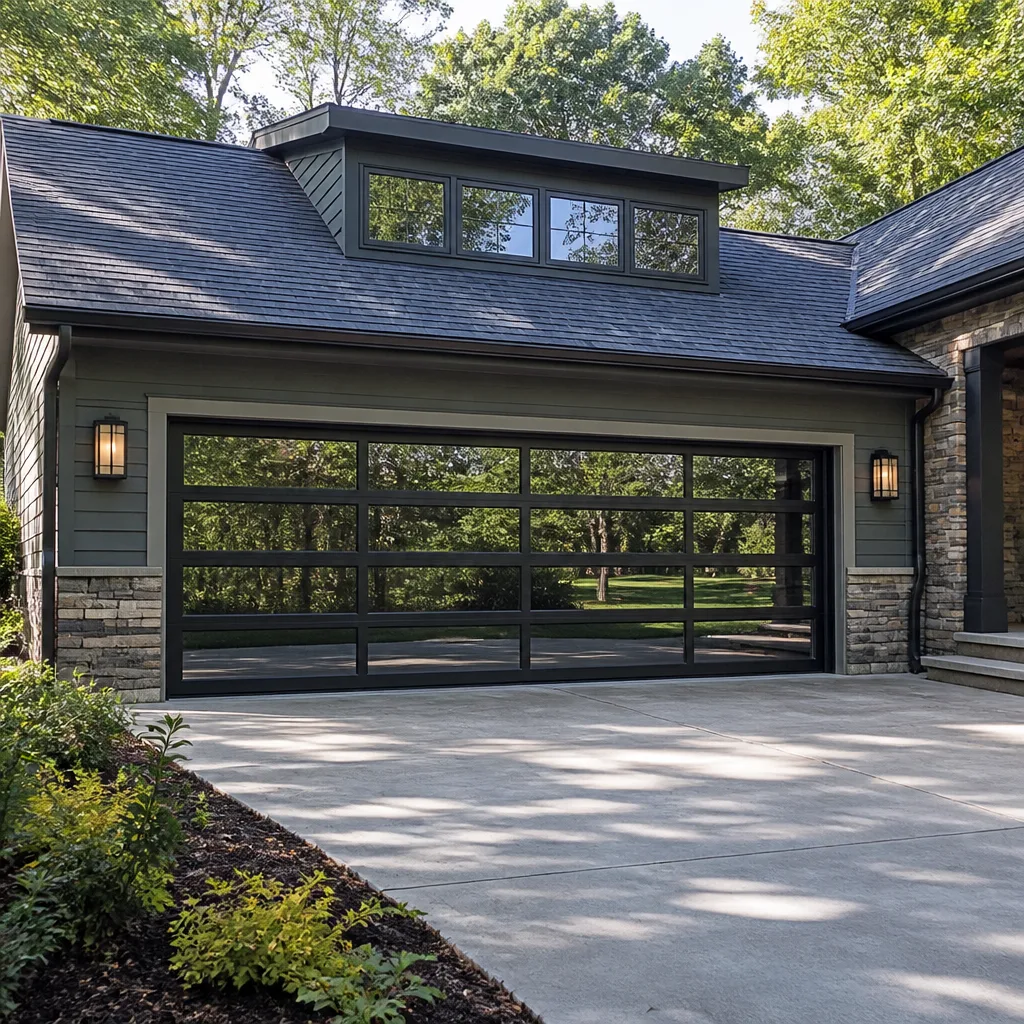 Full-view glass
 LiftMaster openers
 Chamberlain openers
Full 25-point door and opener safety check with every visit - springs, cables, rollers, tracks, and your LiftMaster or Chamberlain opener included
You get a price before we start. It does not change when the truck arrives.
Get your free estimateGarage Door Repair Maintenance Checklist for Irvine Homeowners
Most Irvine homeowners check their garage door springs first when something feels off. That’s the wrong instinct for this climate. In Southern California, the number-one cause of sudden garage door failure isn’t cold-weather metal fatigue or rust from road salt. It’s UV-degraded cable fraying. The intense, year-round sun in Irvine breaks down the protective coating on lift cables faster than manufacturers’ standard maintenance schedules anticipate. When that coating fails, the steel strands beneath begin to fray, and a cable snap under tension sends the door crashing down, usually taking the spring with it and often damaging the door panels themselves. This guide gives you a maintenance checklist calibrated specifically for Irvine’s sun, temperature swings, and HOA-driven inspection culture, so you catch the failure modes that generic checklists miss. For professional help with any issues you discover, see our Garage Door Repair services.
Styles & brands we work with
Quick Answer
A garage door maintenance checklist for Irvine homeowners must prioritize UV damage inspection on cables, weatherstripping, and panel finishes above spring lubrication, because Irvine’s intense sun degrades those components faster than standard maintenance schedules predict. The essential monthly tasks are: inspect lift cables for fraying, test the auto-reverse safety sensor, listen for unusual opener noises, and check weatherstripping for UV cracks. Twice a year, lubricate rollers and hinges with a silicone-based lubricant, tighten all hardware, and run a full balance test. Keep a dated maintenance log; many Irvine HOAs and Orange County home resale disclosures reward documented upkeep.
Table of Contents
- The UV Exposure Checklist Irvine Actually Needs
- The 6-Point Cable and Pulley Inspection Sequence
- Lubrication Schedule Adjusted for Irvine’s Temperature Swings
- The Monthly 10-Minute Safety and Function Check
- How to Document Maintenance for HOA Compliance and Resale
- Which Tasks Reset the Warranty Clock, and Which Void It
- Common Mistakes to Avoid
- When to Call a Professional
- Frequently Asked Questions
- The Bottom Line
The UV Exposure Checklist Irvine Actually Needs
Irvine sits at roughly 33 degrees north latitude, but its real climate signature is the combination of high UV index days and nearly zero cloud cover for long stretches between May and October. That sun is relentless on garage door components made of plastic, rubber, and painted metal. A garage door facing south or west in neighborhoods like Woodbridge or Northwood gets direct afternoon sun for six to eight hours a day during summer. That’s a baked-in wear factor most national maintenance guides never mention.
Here’s the UV-specific checklist we recommend for Irvine homeowners:
- Inspect lift cable coatings every month during summer. The cables on each side of the door are coated steel. When the coating yellows, cracks, or flakes away, the steel beneath is exposed to coastal-adjacent air that still carries enough moisture to cause surface corrosion, despite Irvine’s dry reputation. A cable that looks dull or has visible rust speckling needs professional assessment.
- Check weatherstripping along the bottom and sides for UV cracking during every season. The rubber or vinyl seal along the bottom of the door gets the most direct sun exposure, especially in the afternoon. When it cracks, you lose the seal against dust, insects, and the occasional Irvine rain, and you also lose the cushioning that keeps the door from slamming when it closes.
- Examine painted panel finishes for chalkiness and vinyl-wrapped panels for peeling at the edges. Darker door colors absorb more UV heat and degrade faster. A chalky white residue on painted doors is the first sign of UV breakdown. On vinyl-wrapped steel doors, peel usually starts at the panel seams facing the sun, then works inward. Catching this early lets you touch up paint or re-seal edges before the metal underneath starts to corrode.
- Look at the rubber bushings and plastic components on the opener rail and trolley. The rail connecting the opener to the door carriage has plastic components that become brittle with UV exposure and heat cycling. When these crack, the door can bind or the opener can strip its gears.
This UV focus isn’t fussiness. It’s the difference between a garage door that lasts 15 years in Irvine’s sun and one that fails at year 8 because a cable snapped or a panel seam opened up. We’ve seen it repeatedly. The homeowners who check cables and seals first are the ones who avoid the surprise failure.
The 6-Point Cable and Pulley Inspection Sequence
This is the inspection sequence we teach every Irvine homeowner to run at least twice a year, and monthly if their garage door faces south or west. It’s a six-point check that walks the tension path from the bottom of the door to the top of the track. Run it with the door closed, then again with the door open. You’re looking for wear patterns that develop in Southern California’s sun-and-dry-air combination before they become cable snaps.
- Bottom bracket cable loops. Look at the lower corners of the door where the cables attach to the bottom brackets. In Irvine’s dry air, the nylon bushings where the cable loops through the bracket wear into a visible groove. A deep groove means the cable is sawing back and forth with every open and close cycle. That friction generates heat and accelerates cable fatigue.
- Cable coating condition along the entire vertical run. With the door open, trace each cable from the bottom bracket up to the drum at the top. Look for cracks in the coating, any area where the steel is visible, and any flat spots on the cable’s surface. A flat spot means the cable has been rubbing against the drum or a misaligned pulley.
- Drum seating at the top of the track. The cable drum is the spool at the top of the track, above the door opening. The cable should wind onto the drum in a neat, single layer. If the cable overlaps itself or sits unevenly in the groove, the door is lifting unevenly, which puts side-load stress on the entire system.
- Pulley alignment and wear. Each side of the door uses pulleys to redirect cable force. On extension-spring systems, these pulleys are exposed and visible. On torsion-spring systems, the cable runs from the drum to the bottom bracket with fewer pulleys, but the principle holds. Look for pulleys that wobble, show metal shavings, or have cracked sheaves. A pulley that isn’t spinning freely forces the cable to slide rather than roll, which shreds the cable coating.
- Kinks, twists, and unraveling. Run a gloved hand lightly along each cable’s surface while the door is still. Never do this while the door is moving. You’re feeling for any spot where the cable’s twist pattern changes abruptly. A kink is a structural failure point, not a cosmetic issue. A cable with a kink is a cable that will snap, usually with no additional warning.
- Equal tension check. With the door halfway open, look at the cable tension on both sides. The cables should be equally taut. If one side droops or hangs slack while the other is tight, the door is out of balance, the spring is failing, or a pulley has seized. All three are reasons to stop using the door and call a professional.
This six-point sequence catches the Irvine-specific wear pattern most general checklists miss: coating failure from UV exposure on the upper cable section that never gets lubed or inspected. The lower sections get oil and wear from use. The upper sections sit exposed to sun through the gap between the door and the header. That’s where the coating fails first, and that’s where the snap originates. We’ve replaced more Irvine cables that split at the top third of their run than anywhere else on the door.
Lubrication Schedule Adjusted for Irvine’s Temperature Swings
The standard garage door lubrication advice is every six months. For Irvine, that’s mostly right, but the product choice and the specific components need local adjustment. Irvine’s temperature swings from summer highs in the 90s to winter nights occasionally touching the low 40s. But the bigger factor is the dry air. Traditional petroleum-based lubricants evaporate faster here, and they attract fine dust that combines with heat to form a gritty paste on moving parts.
What works in Irvine:
- Use a silicone-based or Teflon-based dry lubricant. These don’t attract the fine dust that petroleum products do. Apply to rollers, hinges, springs, and the opener rail. Avoid spraying lubricant on the belt or chain itself if you have a belt-drive or chain-drive opener; most opener drive systems don’t need external lubrication, and adding it creates a dust magnet.
- Lubricate every six months in a mild season, every four months in a hot, dry stretch or if the door faces south or west. The UV and heat exposure on a west-facing door in Irvine’s summer accelerates lubricant breakdown. If your door faces west, mark the calendar for March, July, and November.
- After lubricating, run the door through three full open-close cycles. This distributes the lubricant into the roller bearings and hinge pins. Then wipe off any excess from the track. Lubricant on the track attracts dust and can cause the rollers to slip rather than roll.
- Do not lubricate the weatherstripping with any petroleum product. Petroleum breaks down rubber and vinyl seals, accelerating the UV degradation you’re already fighting. If the weatherstripping is stiff, clean it with mild soap and water, then apply a rubber protectant designed for automotive or marine use.
The most common lubrication mistake we see in Irvine is homeowners using WD-40 on rollers and hinges. WD-40 is a solvent and water displacer, not a long-term lubricant. It cleans the joint, then evaporates, leaving the metal dry and attracting more dust than before. For a region with as much fine airborne dust as Irvine, that’s actively counterproductive. A proper dry silicone spray costs the same and lasts three times as long in this climate.
The Monthly 10-Minute Safety and Function Check
This is the checklist to run on the first Saturday of every month. It takes ten minutes and catches most problems before they become failures. Set a recurring phone reminder. Make it part of your routine the way you check smoke alarms or irrigation.
- Close the door and stand inside the garage. Look at the door surface facing you. Are all panels flush? Any gaps at the seams, especially where the door faces the afternoon sun? Gaps mean panel hinges are wearing or the door is racking.
- Open the door and listen. A properly maintained garage door is quiet. You’ll hear a low hum and the sound of rollers on track. Grinding, squealing, popping, or rhythmic thumping all point to specific problems: dry rollers, a failing spring, a stripped opener gear, or an unbalanced door.
- Test the auto-reverse sensor. With the door open, place a roll of paper towels or a 2×4 on the floor in the door’s path. Close the door. It should reverse within two seconds of contacting the object. If it doesn’t, stop using the opener and call for service. This is a critical safety feature on every opener made since 1993, and it’s the component most likely to be misaligned or obstructed by dust.
- Test the photo-eye sensors. The two sensors near the floor on either side of the door track should have a steady indicator light and be aligned. When the door is closing, wave your hand in front of one sensor. The door should stop and reverse. If the sensors are misaligned, the door won’t close at all, or will close only when you hold the wall button.
- Check the balance manually. Pull the emergency release cord while the door is closed to disengage the opener. Lift the door by hand. It should lift smoothly with minimal effort and stay at the halfway point without dropping or rising. If the door is heavy, drops from the halfway point, or rises on its own, the spring’s tension is wrong. Don’t run the opener until a professional has adjusted the spring. An unbalanced door destroys openers and damages panels.
- Do a visual once-over of the track and mounting hardware. Look for track bolts that have backed out, brackets that are loose, or track sections that don’t align. A track that has shifted just a quarter inch can cause rollers to bind and the door to jam.
This monthly check is the highest-value ten minutes of home maintenance available to an Irvine homeowner. The garage door is the largest moving object in your home, it cycles an average of three to five times a day in most Irvine households, and it’s exposed to UV and heat that other household systems never see. Ten minutes a month is cheap insurance.
How to Document Maintenance for HOA Compliance and Resale
Irvine is a city of HOAs. Villages like Oak Creek, Turtle Rock, and the Great Park neighborhoods all have architectural and maintenance standards, and garage doors are frequently listed as a specific item in the CC&Rs. Most HOAs require the garage door to be functional, properly painted, and free of visible rust or damage. When the door fails, the HOA’s first question is usually whether the homeowner maintained it. A dated log answers that question before it’s asked.
What to record:
- Date and type of each inspection. Note whether it was a monthly check, a seasonal cable inspection, or a lubrication service. Consistent monthly entries carry more weight than a single annual entry.
- Any component replaced or repaired, with part details. Record the brand, part number if visible, and the date. For example, “Replaced bottom weatherstripping, 16-foot door, July 2026.” This shows a pattern of proactive maintenance rather than deferred repairs.
- Photographs of the door from the street side, ideally once per quarter. Irvine HOAs often cite garage doors for paint fade, rust stains, or dented panels. A dated photo log shows the door’s condition over time and helps defend against an unfair citation or supports your case when a neighbor’s contractor damages your door.
- Any professional service invoices. If you call a garage door repair company for a repair or adjustment, keep the invoice. It’s the strongest documentation of all, and it’s often required by home warranty companies when you file a claim.
For resale, Orange County disclosure forms ask about known defects and recent repairs. A garage door with a documented maintenance history and a set of dated photos is a selling point, not a liability. We’ve seen Irvine homes where a neglected garage door that needed a full replacement ended up costing the seller thousands at closing. A simple log would have avoided that. This is also where garage door repair in Irvine records matter: a buyer’s inspector will ask when the door was last serviced, and a professional invoice is the strongest answer you can give.
Which Tasks Reset the Warranty Clock, and Which Void It
Garage door and opener warranties are not blanket promises. They’re conditional, and the conditions frequently hinge on whether the homeowner performed specific maintenance tasks and avoided specific unauthorized modifications. In our work with major brands, we see the same warranty misunderstandings repeated by Irvine homeowners.
Tasks that help your warranty claim:
- Regular lubrication of rollers, hinges, and springs. Manufacturers like Clopay and Amarr list periodic lubrication as a condition of warranty coverage for moving parts. A homeowner who can show a dated log of lubrication service has a stronger claim when a roller or hinge fails prematurely.
- Keeping the opener’s safety sensors aligned and functional. Opener manufacturers, including LiftMaster and Chamberlain, expect the auto-reverse and photo-eye functions to remain in working order. Documented monthly testing supports a warranty claim on the opener’s control board or motor.
- Professional spring replacement using the correct torque specifications. When a torsion spring fails under a Clopay or Amarr warranty, the manufacturer often asks for proof that the replacement spring was the correct size and torque. A professional invoice that specifies the spring dimensions and torque confirms this. We are factory-familiar with Clopay, Amarr, Wayne Dalton, Raynor, and others, so when we replace a spring under warranty, the documentation matches what the manufacturer expects.
Tasks that void or weaken your warranty:
- Using petroleum-based lubricants on nylon rollers or rubber seals. Some roller manufacturers specifically exclude damage caused by solvent-based sprays. A homeowner who soaks their nylon rollers in WD-40 and then files a claim for cracked wheels will likely be denied.
- Adjusting the torsion spring without the proper tools and training. This is the big one. A torsion spring carries enormous tension. If a homeowner attempts to adjust it and causes damage to the door, the opener, or the spring itself, the manufacturer will typically treat that as owner-inflicted damage and deny the claim. This is also a genuine safety hazard; a spring under tension can release violently.
- Repainting or re-coating a door panel with a non-approved finish. Some manufacturers’ warranty terms for finish coverage require that repainting use a paint type compatible with the factory finish. A homeowner who applies an automotive-grade clear coat to a steel door panel may void the finish warranty.
- Relocating the opener’s control panel or sensors without professional guidance. Moving sensors or wiring beyond the manufacturer’s listed specifications can void the opener’s electrical warranty. If you’re relocating an opener or adding a smart controller to a legacy system, have a professional handle it and document the work.
The takeaway: warranty protection isn’t automatic. It’s earned through the maintenance habits we’ve outlined in this guide, and it’s lost through the wrong DIY impulse. If you’re unsure whether a maintenance task is within warranty bounds, call a professional before you pick up the wrench. Our Garage Door Repair Troubleshooting: Common Problems and How to Fix Them can help you diagnose issues first. Redstone Garage Door Repair works on the brand you already own, so we can tell you what your specific warranty requires and what it forbids.
Common Mistakes to Avoid
- Checking springs before cables. In Irvine’s UV-heavy climate, cable failure precedes spring failure far more often than in cooler regions. Homeowners who start every inspection by looking at springs are checking the wrong component first.
- Using WD-40 or other petroleum sprays on rollers and hinges. This strips existing lubrication and attracts dust. In Irvine’s dry, dusty air, that combination shortens roller life and creates the gritty grinding noise that signals premature wear.
- Lubricating the track itself. The track is not supposed to be lubricated. Lubricant on the track collects dust and causes the rollers to slide instead of roll. Only the rollers, hinges, and springs get lubricant.
- Ignoring a one-sided cable that looks slightly slack. A cable with less tension on one side is the earliest warning sign of a failing spring or a seized pulley. Waiting until it snaps means a much larger repair bill and likely door damage.
- Assuming the auto-reverse will always work. The auto-reverse sensor is a mechanical and electrical system that degrades over time, especially in heat. Testing it monthly is the only way to know it’s working. A door that doesn’t reverse on obstruction is a serious safety hazard.
- Painting a metal door with the wrong type of paint to satisfy an HOA citation. Some paints react with the factory finish and cause peeling or corrosion. Check the manufacturer’s recommendation before repainting, and remember that finish work done without manufacturer approval can affect your warranty.
- Skipping the balance test because the door “seems fine.” An unbalanced door destroys openers quietly. By the time the opener makes noise, the damage is advanced. The balance test takes 30 seconds and is the single most predictive maintenance check available.
When to Call a Professional
Some maintenance tasks are homeowner territory. Lubrication, visual inspection, sensor testing, and record-keeping: all doable in ten minutes with zero risk. Other tasks are professional territory, and the line between them is not a suggestion.
Call a professional if the door is off-balance and the spring needs adjustment. Call if a cable shows any fraying, kinking, or coating loss. Call if the door won’t reverse on obstruction, if the opener makes grinding noises, or if the track has visibly shifted. Call if you have a torsion spring that needs to be replaced or adjusted – torsion springs carry enough tension to cause serious injury or death if mishandled. Do not attempt to service a torsion spring yourself. Redstone Garage Door Repair offers free estimates in Irvine. Call (855) 492-3366 and we’ll assess the door, identify the specific fault, and give you a clear price before any work starts.
We’re the team that handles the whole system, door and opener together. If your opener is stripping gears because the door has been unbalanced for six months, we fix both. One call, full fix. That’s not marketing language. It’s the reality of how garage doors fail in Irvine: the door wears down the opener, and fixing one without addressing the other just schedules your next repair call. For opener-specific issues, see our garage door opener repair in Irvine page. When the door itself has reached the end of its service life, garage door installation in Irvine is the path forward.
Frequently Asked Questions
Lubricate every six months as a baseline, and every four months if your door faces south or west or if you’re in a hot, dry stretch of summer. Use a silicone-based or Teflon-based dry lubricant on rollers, hinges, and springs. Never lubricate the track. For a quote on professional lubrication and adjustment, call (855) 492-3366.
Most Irvine HOAs require garage doors to be functional, painted, and free of visible rust or damage, but they don’t mandate a specific maintenance schedule. Documenting your own maintenance protects you against unfair citations and supports resale disclosure. A dated log with photos and invoices is sufficient for most HOAs and Orange County disclosure requirements.
UV-degraded cable fraying is the most common failure we see in Irvine, surpassing spring fatigue. The lift cables’ protective coating breaks down under constant sun exposure, exposing the steel to moisture and corrosion. Once fraying starts, a snap is imminent. Inspect cables monthly during summer, and call a professional at the first sign of coating loss.
No. Torsion springs carry enough stored tension to cause serious injury or death if they release unexpectedly. Spring adjustment and replacement requires specific tools and training. Attempting it also voids most manufacturer warranties. Always use a trained professional for spring work. For spring service in Irvine, call (855) 492-3366.
Disengage the opener with the emergency release cord, then lift the door by hand halfway. If it stays at the halfway point, it’s balanced. If it drops heavily or rises on its own, the spring tension is wrong. An unbalanced door will destroy your opener over time, so address it promptly. For a balance assessment and spring adjustment, call (855) 492-3366.
Yes. We service LiftMaster, Chamberlain, Genie, Clopay, Amarr, Wayne Dalton, Craftsman, and Raynor systems. Our technicians are factory-familiar with these systems’ specifications, which means faster diagnosis and the correct parts on the truck. For any brand-specific repair or maintenance question, call (855) 492-3366.
The Bottom Line
Irvine’s garage doors fail differently than garage doors in other climates. The UV load breaks down cable coatings and panel finishes long before mechanical parts wear out. A maintenance plan built for Irvine puts cable inspection and weatherstripping checks above spring lubrication, adjusts lubrication intervals for sun exposure and dust, and documents everything for HOA and resale purposes. The ten-minute monthly check and the six-point cable inspection sequence will catch most failures before they become breakdowns. For everything beyond lubrication and inspection, a trained professional is the right call. Redstone Garage Door Repair handles the entire system, door and opener, on every major brand. Start with our Redstone Garage Door Repair home page to see the full range of service, or call (855) 492-3366 for a free estimate.
Written by the team at Redstone Garage Door Repair, serving Irvine since 2015. Explore more guides & resources on our blog.
See the difference
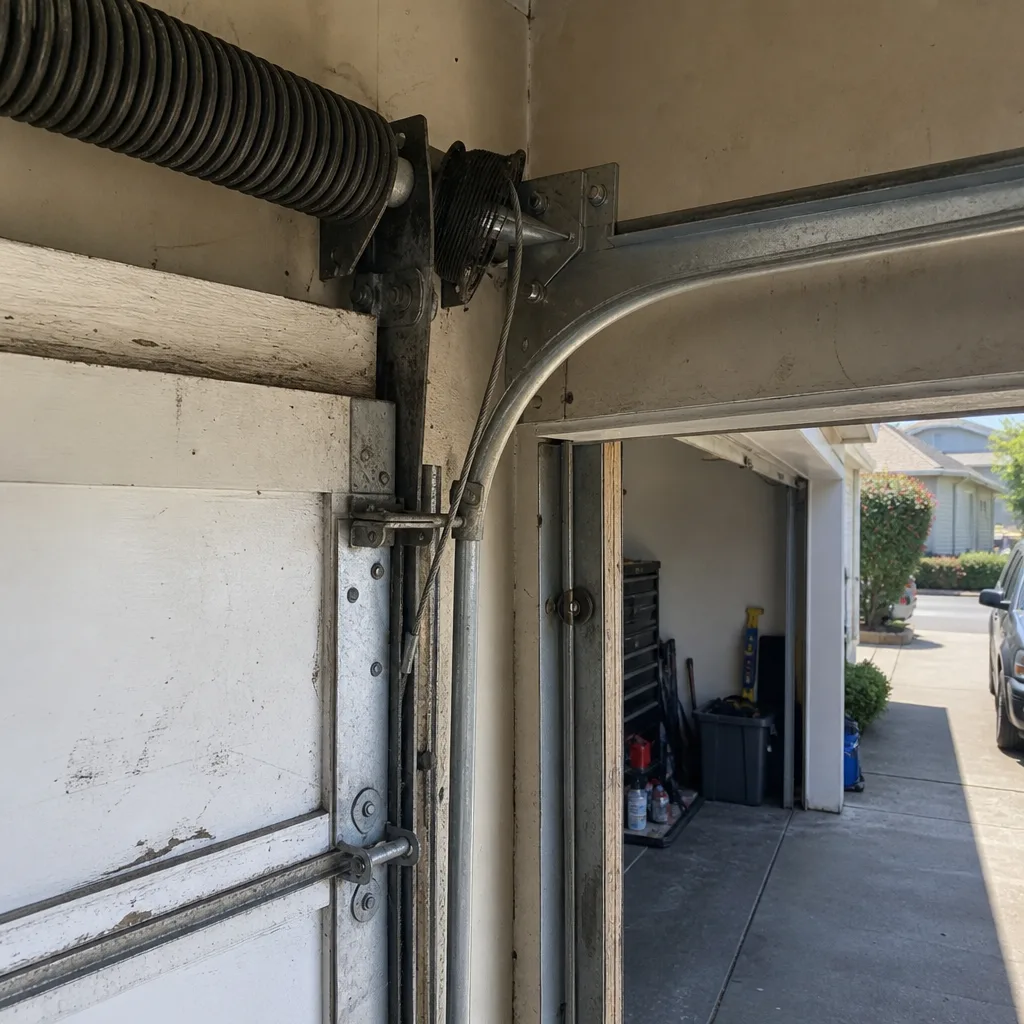 Before
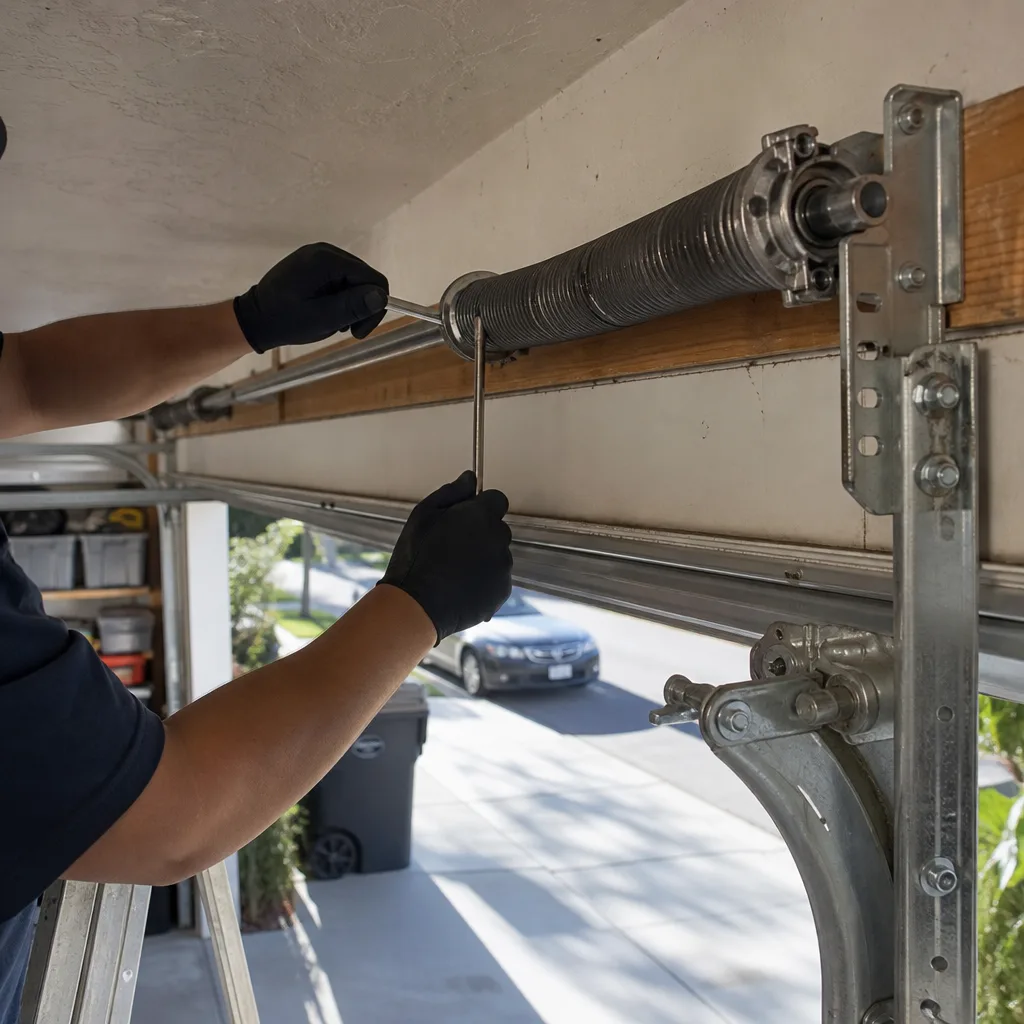 After
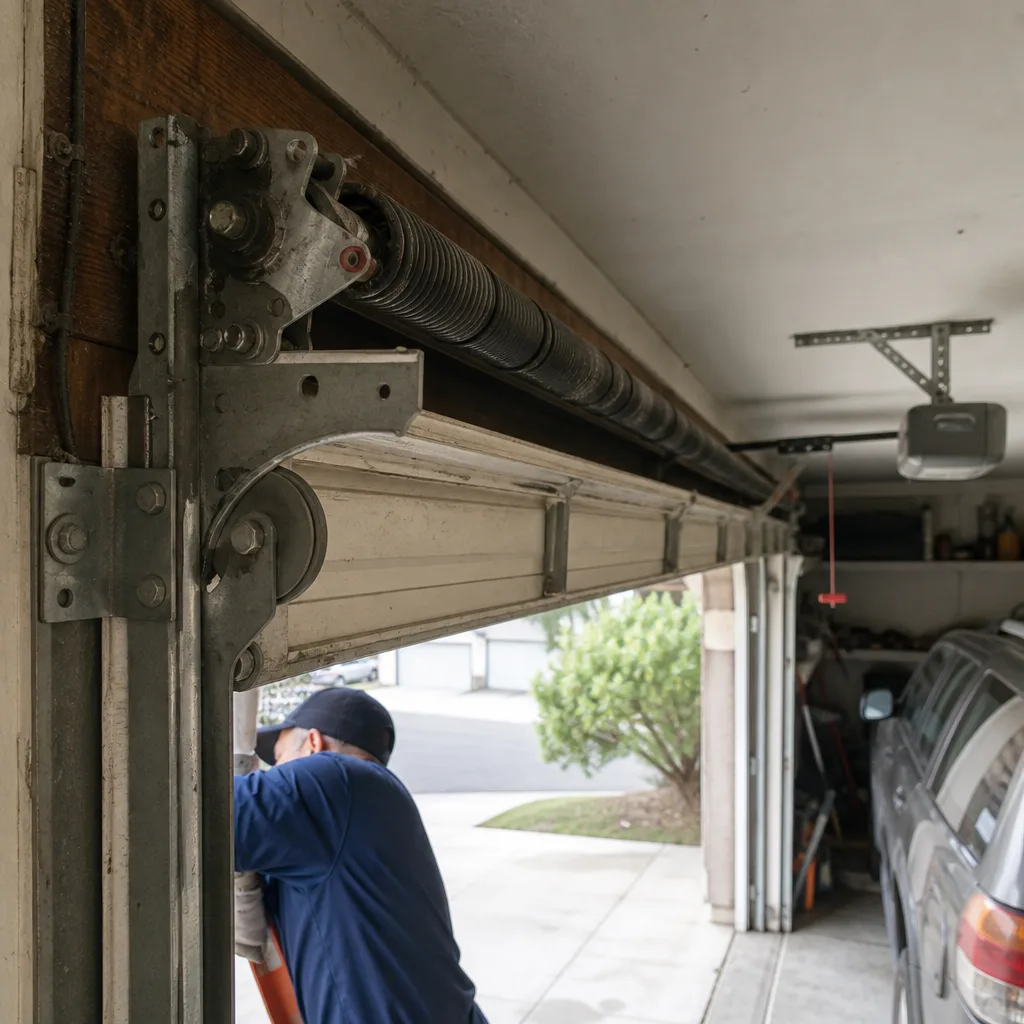 Before
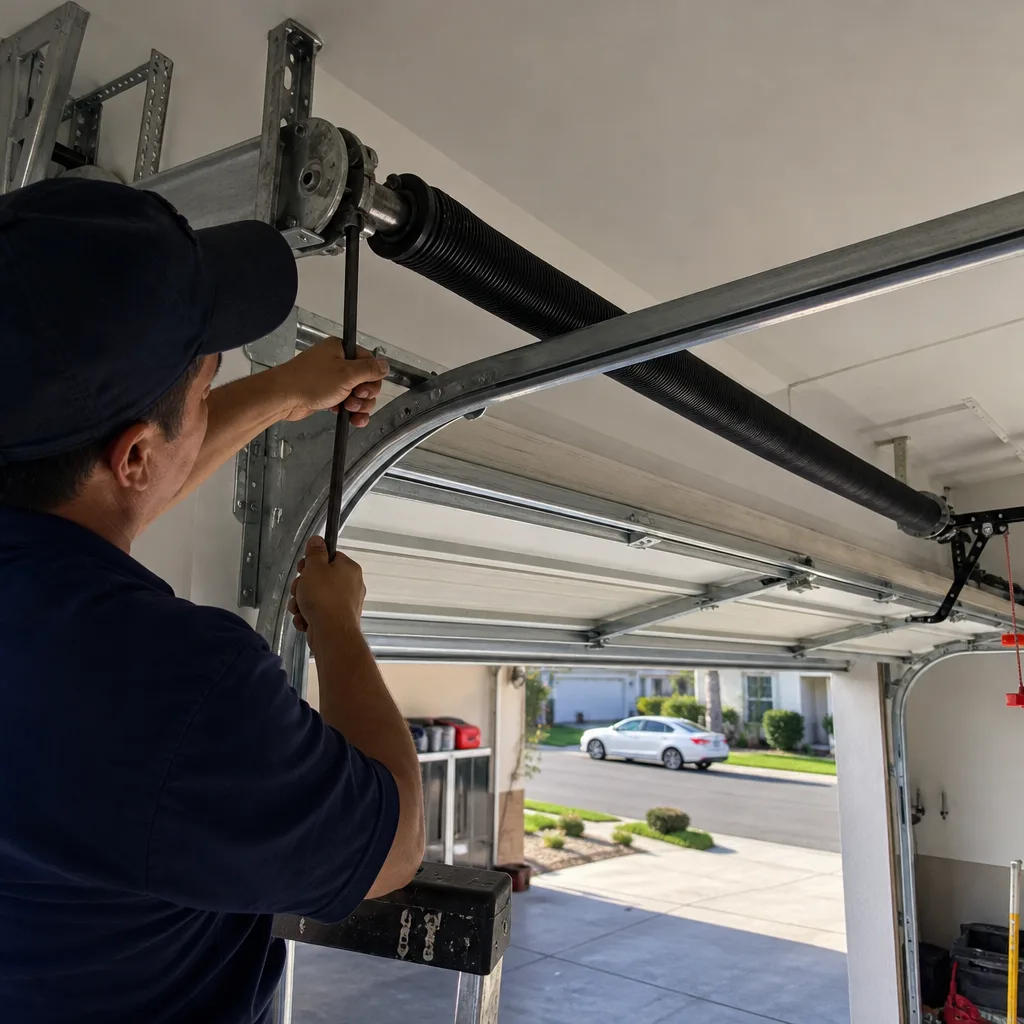 After
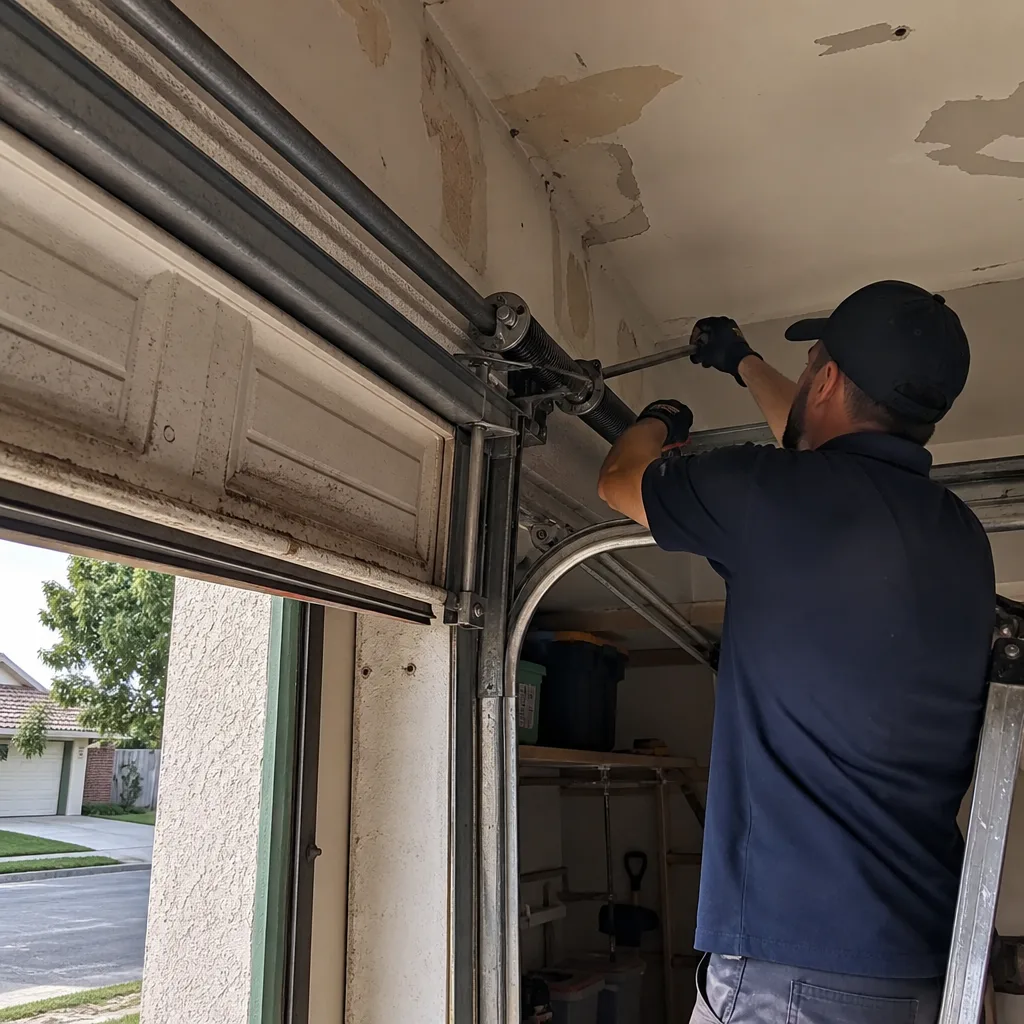 Before
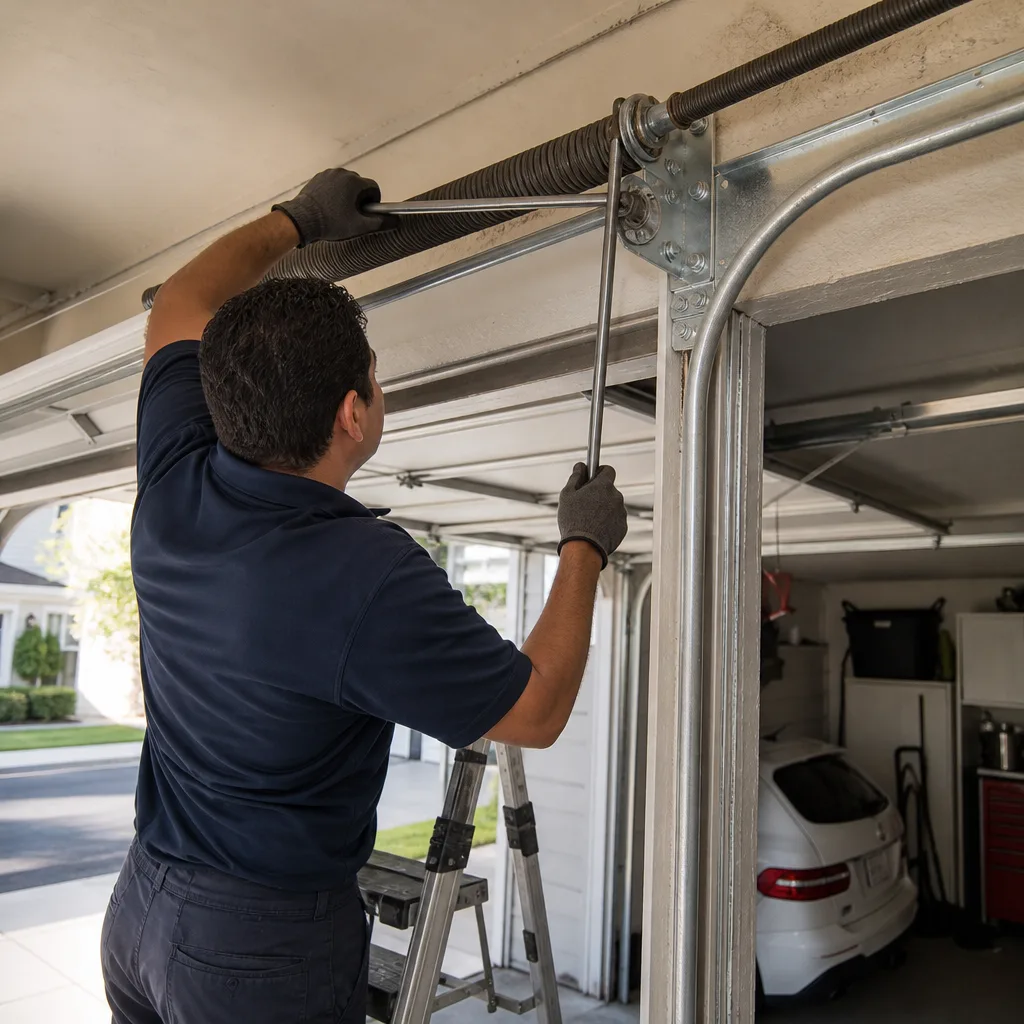 After