

Last updated October 31, 2026
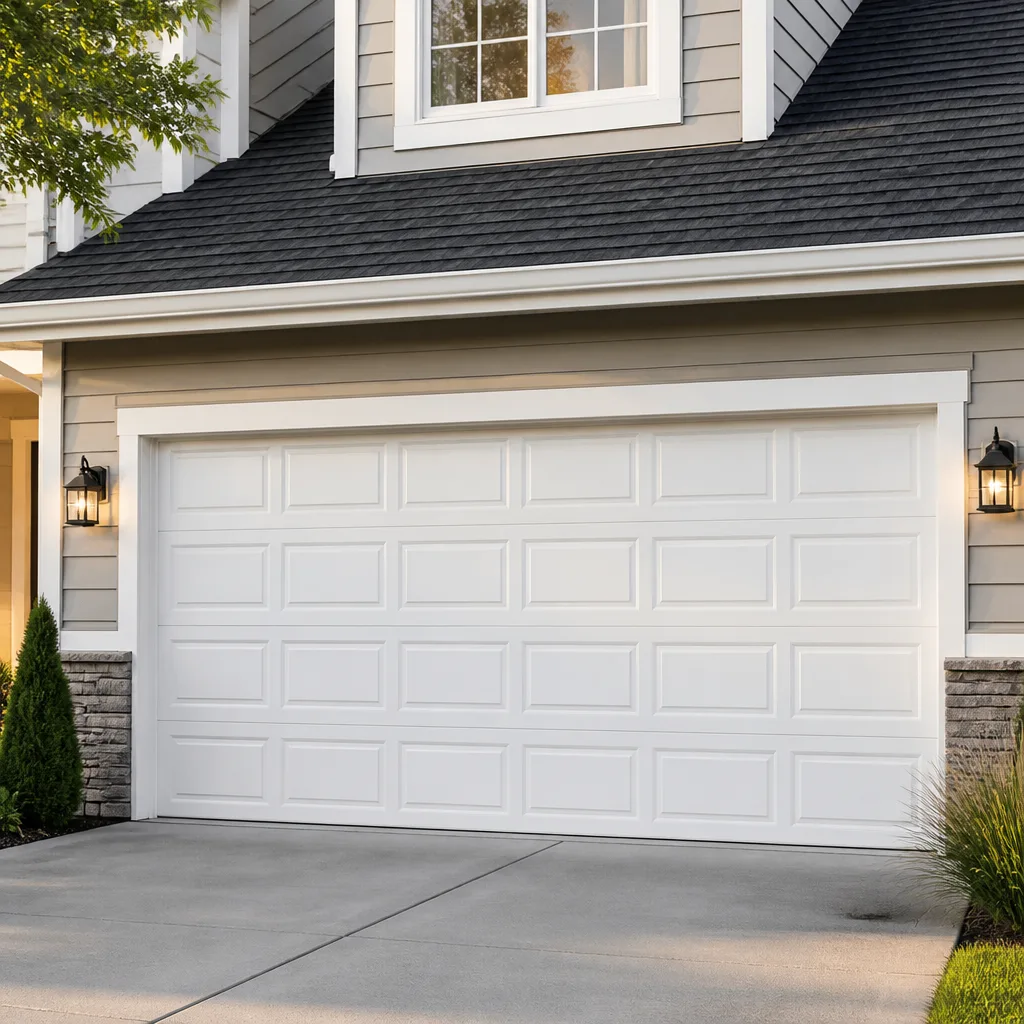 Raised-panel steel
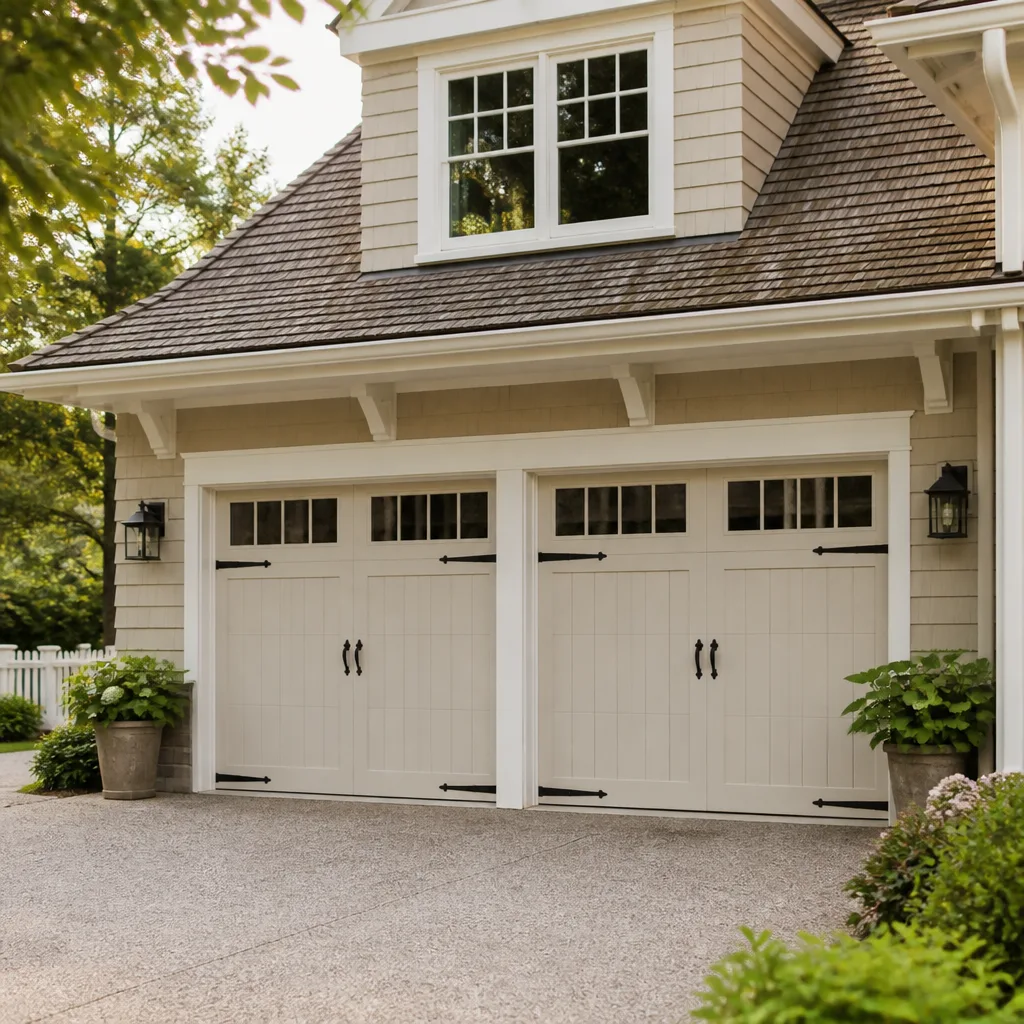 Carriage house
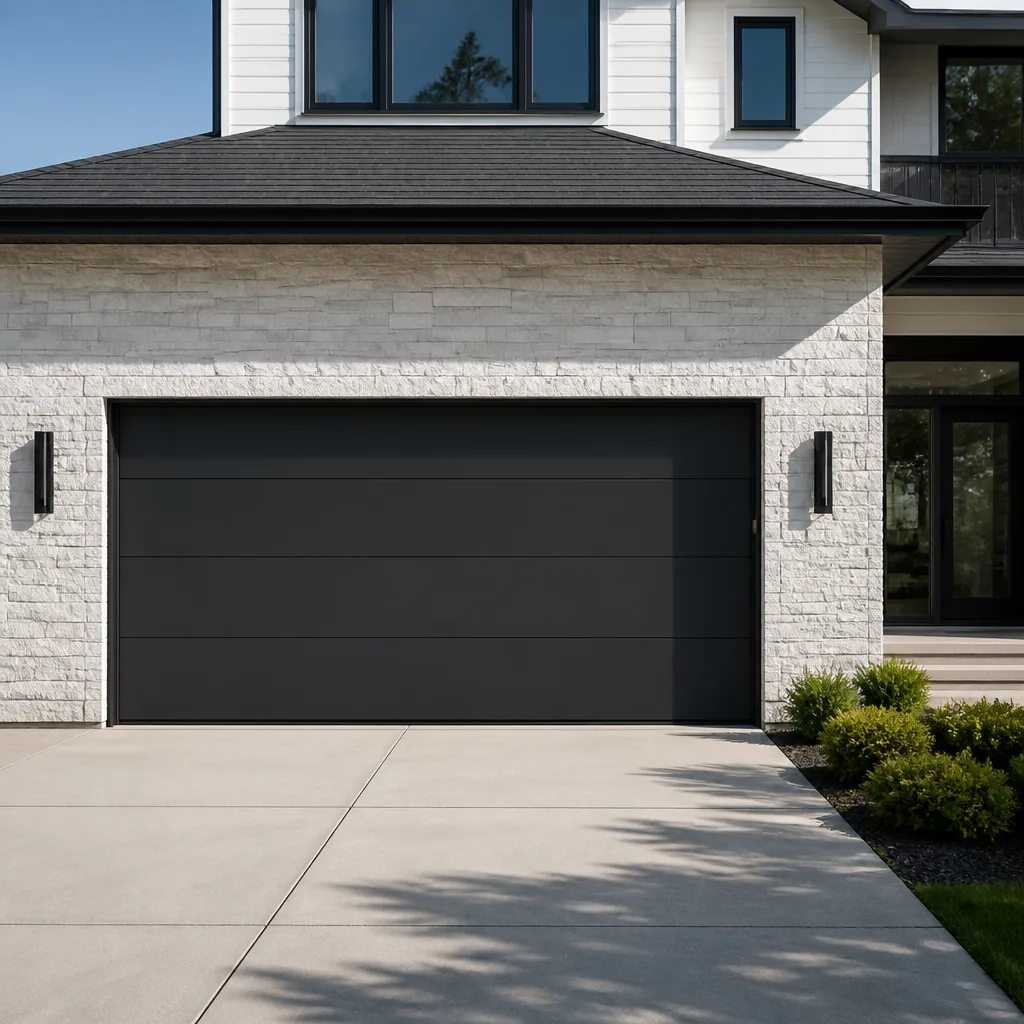 Modern flush
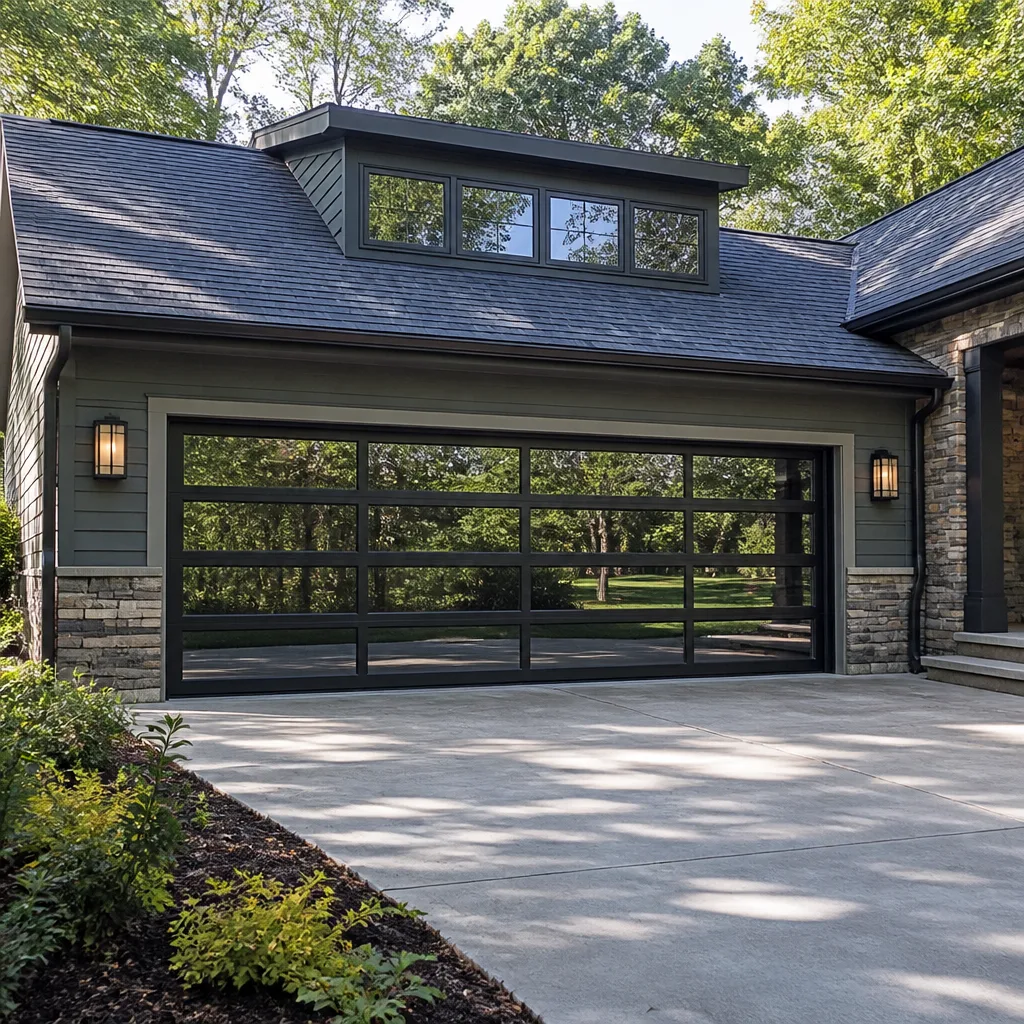 Full-view glass
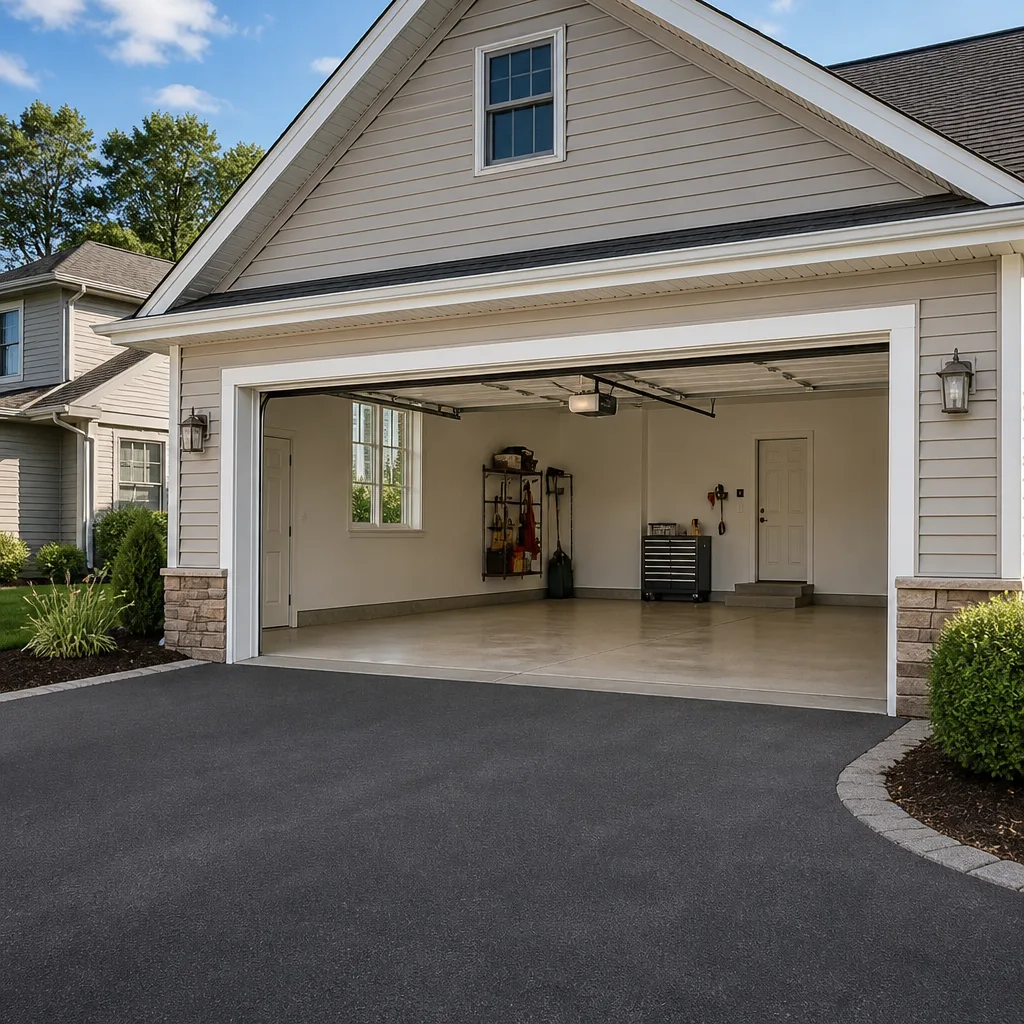 LiftMaster openers
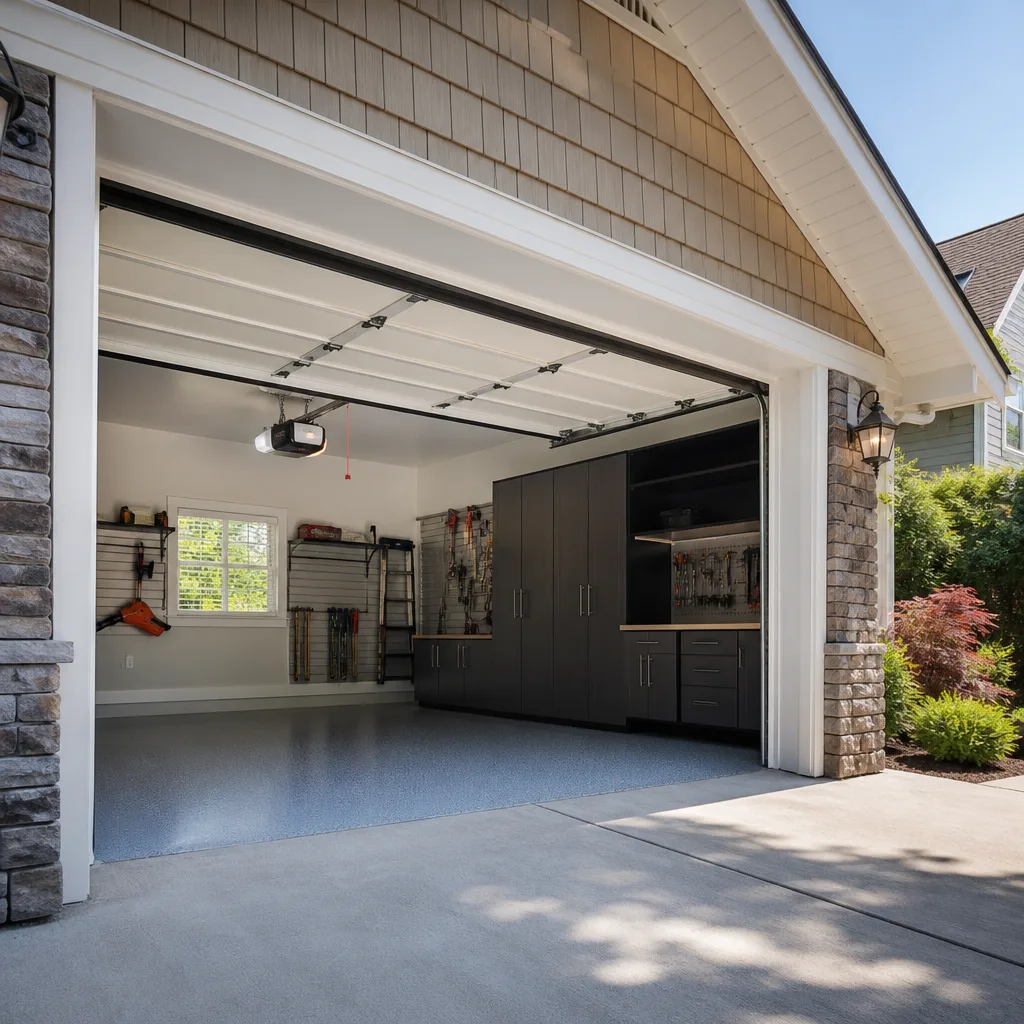 Chamberlain openers
Full 25-point door and opener safety check with every visit - springs, cables, rollers, tracks, and your LiftMaster or Chamberlain opener included
You get a price before we start. It does not change when the truck arrives.
Get your free estimateGarage Door Permits, Codes & Inspections in CA: What You Need to Know
A garage door replacement that costs $1,800 today can turn into a $4,000 or larger headache at resale if the work was done without a permit and the escrow inspector flags it. We see this pattern in Irvine routinely: a homeowner swaps an old wooden door for a modern steel one, the sale moves forward, and then the buyer’s inspector asks for the permit record that doesn’t exist. This guide—along with our more guides & resources—explains exactly when a California garage door project triggers the permit threshold, what Title 24 energy rules require in Orange County, how fire-separation codes affect your wall and door choices, and how to pull the right permit so the work survives any future sale. You’ll finish with a clear picture of which steps apply to your specific situation and which mistakes cost homeowners the most.
Styles & brands we work with
Quick Answer
In California, replacing a full garage door typically requires a building permit when the door is being removed and reinstalled or replaced with a different size, when the opening is being modified, or when the door is part of an attached garage governed by Title 24 energy and fire-separation codes. Opener-only swaps and simple panel replacements usually do not require a permit. Passing the inspection and keeping the final sign-off on file protects your home sale years later.
Table of Contents
- When Does a Garage Door Project Require a Permit in CA?
- Title 24 Energy Code and Garage Door R-Values in Irvine
- Orange County Fire-Separation Rules for Garage Walls
- Owner-Builder vs. Contractor Permit in Irvine
- What a Passed Inspection Documents and How to Store It
- Permit Costs and Timeline in Irvine
- Common Mistakes to Avoid
- When to Call a Professional
- Frequently Asked Questions
- The Bottom Line
When Does a Garage Door Project Require a Permit in CA?
The trigger is the building code’s definition of “alteration.” Under the California Residential Code, a permit is required when you remove and replace a garage door as a complete assembly in an attached garage, when you enlarge or modify the rough opening, when you change the door’s structural framing, or when you replace a door in a location where the door serves as part of the building’s fire-rated wall or energy envelope. What surprises most Irvine homeowners is that a straight swap of an old door for a new one in an attached garage usually crosses that threshold, because the new door has to comply with today’s energy and fire requirements, not the ones that applied when the house was built.
Here is the practical breakdown, based on what we see pass through the City of Irvine building department and what gets flagged during resale inspections, plus key items from our Garage Door Repair Maintenance Checklist for Irvine Homeowners:
- Full door replacement in an attached garage: Permit required. This is the most common trigger. The door is part of the conditioned envelope boundary and the fire separation wall. The building department wants to verify both.
- Full door replacement in a detached garage: Usually no permit required, unless the garage has been converted to living space or the door opening is being enlarged. Detached structures are treated differently under the residential code.
- Garage door opener replacement only: No permit required. Openers are appliances, not structural elements. We replace LiftMaster, Chamberlain, and Genie openers regularly without pulling a permit.
- Panel or section replacement on an existing door: No permit required if the door’s frame, tracks, and opening dimensions stay the same. Swapping out a dented bottom panel on a Wayne Dalton or Amarr door does not trigger review.
- Changing the door size or cutting a new opening: Permit required, plus structural engineering review. This is a remodel-level change, not a door swap.
- Converting a garage to living space: Permit required, and the garage door removal is only one part of a much larger review. This guide does not cover garage conversions.
In Irvine specifically, the building department treats “repair” as work that restores the door to its original condition and “replacement” as work that removes the old door and installs a new one. If you are replacing a single garage door panel on a Clopay door to match the rest, that’s repair. If you are taking out the entire door and hanging a new one, that’s replacement. The distinction sounds small, but it determines whether a permit is legally required and whether the work will be defensible at resale.
Title 24 Energy Code and Garage Door R-Values in Irvine
California’s Title 24, Part 6 energy code treats attached garages as part of the building envelope when the garage shares a wall with conditioned living space. The practical result: in Irvine, a new garage door on an attached garage must meet a minimum insulation value, and that value depends on the city’s climate zone. Irvine sits in climate zone 8, alongside much of coastal Orange County, where the code requires garage doors to carry a minimum R-value, typically R-4.2, though local amendments or a specific home’s HERS verification can shift the requirement.
This is where door selection gets real. A cheap non-insulated steel door sells for less, but it won’t pass a Title 24 inspection on an attached Irvine garage. We tell homeowners to look at the manufacturer’s certified R-value, not the marketing language on the box. Clopay, Amarr, and Wayne Dalton each publish thermal performance data for their insulated lines, and the building inspector will want to see that documentation if the door is part of the envelope.
What the inspector checks:
- The door’s labeled R-value against the permitted plans and the climate zone requirement.
- Weatherstripping at the jambs, header, and bottom seal. Air leakage undermines the R-value and draws a correction notice.
- Any glazing in the door. Window sections in a garage door must meet the same Title 24 fenestration requirements as windows in the house, including U-factor limits.
- Sealing between the garage and any conditioned space above it, if the garage is below living area.
If the door was purchased without considering the R-value, the correction is usually a door replacement or an added insulation retrofit that doesn’t meet the code’s intent. We tell Irvine customers to confirm the R-value before ordering a door, not after the inspector arrives. Buying a door that fails Title 24 is a waste of money twice: once for the door and once for the replacement.
Orange County Fire-Separation Rules for Garage Walls
The wall between an attached garage and the living space is a fire-rated assembly under the California Building Code and the Orange County Fire Authority’s enforcement standards, a topic covered in our Garage Door Warning Signs: A Irvine Homeowner’s Reference Guide. That wall is designed to slow fire spread from the garage into the house for a specified period, typically one hour in newer homes, and the garage door is part of that assembly in a way most homeowners don’t consider.
Here is the tricky part in Irvine: when you pull a permit to replace the garage door, the inspector often looks beyond the door. The opening is listed on the plans, and once the inspector is on site, they may check the condition of the fire separation wall, the self-closing door between the garage and the house, and the drywall seams and penetrations in the garage ceiling. If the fire separation has been compromised by a previous owner’s DIY work, cut drywall holes, or a missing self-closing hinge, those issues land on your correction list even though you only wanted a new door.
Common fire-separation items tied to garage door projects:
- The pedestrian door between garage and house must be self-closing and solid-core or fire-rated. A hollow-core interior door is a correction.
- Garage wall drywall must be continuous, typically 1/2-inch Type X on the garage side of the shared wall. Holes, missing tape, or exposed studs draw corrections.
- Ceiling penetrations where pipes, ducts, or electrical pass between the garage and living space above must be sealed with fire-rated caulk or collars.
- The garage door itself is not fire-rated, but it must close fully and latch or be equipped with an opener that secures it. A door that doesn’t seal at the corners creates an air path that undermines the separation.
In new Irvine construction and major remodels, some plans call for a fire-rated garage door or a door with a specific label. That is more common in townhomes and attached housing than in single-family detached homes. If your permit requires a labeled door, talk to your supplier before ordering. Not every door in the Clopay or Amarr catalog carries the rating.
Owner-Builder vs. Contractor Permit in Irvine
In California, homeowners can pull an owner-builder permit for work on their own residence, and that includes a garage door replacement tied to a permit. The appeal is lower cost and more control, but the trade-off shows up at resale. An owner-builder permit names you, the homeowner, as the responsible party. If the work was done incorrectly and fails an inspection, you own the correction. That’s true whether you did the physical work or hired someone informally to do it under your permit.
A contractor’s permit, by contrast, puts the licensed contractor on record as the responsible party. That means three things that matter to a future buyer:
- Accountability: The contractor’s license and bond stand behind the work. A buyer’s inspector knows who to pursue if something fails later.
- Verification: The permit record shows a licensed professional pulled the permit, not a homeowner who may or may not have followed code.
- Liens: A contractor’s permit with final sign-off and a lien release protects the seller from a mechanic’s lien clouding the title.
In Irvine, the building department processes both types. The owner-builder route requires you to sign an owner-builder declaration stating you understand the responsibility, and you must include the permit history when you sell. If the property is sold within one year of completing owner-builder work, some lenders and buyers ask additional questions about the workmanship. The contractor route costs more at the outset but removes those questions later.
Our recommendation for a straightforward garage door replacement in Irvine: use a contractor’s permit. The cost difference is modest compared to the resale risk of an owner-builder permit gone wrong. If you own the home and plan to stay for a decade, the risk is lower. If you plan to sell in the next few years, the contractor’s permit is the safer route.
What a Passed Inspection Documents and How to Store It
A passed final inspection for a garage door replacement produces a specific paper trail, and each document has a job at resale. The key pieces in Irvine:
- Building permit: The original permit and any plan sheets approved by the City of Irvine. This shows the scope of work the city approved.
- Inspection record: The signed final inspection card or digital record in the city’s system. This is the legal proof the work passed.
- Title 24 compliance documentation: If the door was part of the energy envelope, this includes the door’s R-value certification and any HERS verification.
- Manufacturer documentation: The door’s installation manual, warranty registration, and any fire-label information. Buyers and their inspectors ask for this.
- Lien releases: Signed releases from the contractor and any subcontractors. This proves no one can file a mechanic’s lien after the sale.
Store the record somewhere it cannot be lost. Not in a drawer that gets cleaned out during a move. Scan every document into a PDF and store it in cloud storage, in your email, and with your other home records. When you sell, hand the buyer a folder with the permit, the final inspection, and the lien release. We have seen Irvine transactions survive a skeptical escrow inspector because the seller produced the final inspection card on the first request. We have also seen negotiations stall because the seller’s only answer was “the guy said we didn’t need one.”
Permit Costs and Timeline in Irvine
Permit fees for a garage door replacement in Irvine are modest compared to the door itself. The City of Irvine charges a building permit fee based on the valuation of the work, and a typical single-door replacement usually falls in the lower valuation tier. The permit fee itself is commonly under $150, though the total cost to the homeowner rises when you add the contractor’s time for plan preparation, scheduling, and inspections. That total, including the contractor’s coordination, often lands in the $300 to $600 range for a straightforward swap in an attached garage.
Timeline depends on review type. A simple like-for-like replacement with no structural changes can often be approved in a few business days in Irvine, and the inspection can be scheduled shortly after the door is installed. If the opening is being modified or the door is part of a larger remodel, plan review adds days or weeks. We tell customers to expect the permit process for a standard replacement to add one to two weeks to the project when scheduling around the city’s availability.
One detail that surprises Irvine homeowners: the inspector must see the door before the job is considered complete. That means the install happens, the inspector visits, and then the job is done. If you schedule the install for a Friday and the inspection for the following Tuesday, the door is not officially signed off until that Tuesday inspection passes. Plan your timeline accordingly, especially if a home sale or a homeowner’s association deadline is involved.
Common Mistakes to Avoid
- Assuming “same size” means “no permit.” In an attached Irvine garage, a same-size door swap still crosses the permit threshold because Title 24 and fire-separation requirements apply to the new assembly, not just the opening dimensions.
- Buying the door before checking the R-value. A non-insulated door can be ordered and delivered before anyone realizes it doesn’t meet Title 24 for climate zone 8. The correction costs more than the original savings.
- Going the owner-builder route without understanding resale exposure. An owner-builder permit names you as the responsible party. If the inspector finds issues beyond the door, you own the corrections and the resale questions.
- Not checking the pedestrian door and fire wall before the inspection. The garage door inspection can turn into a fire-separation correction list. Walk the wall, the self-closing hinge, and the ceiling penetrations before the city arrives.
- Losing the final inspection record. A passed inspection only helps at resale if you can produce the paperwork. Store the permit, inspection card, and lien release in three places.
- Confusing the opener with the door. Replacing a LiftMaster or Chamberlain opener doesn’t require a permit, but replacing the door itself often does. The two systems are regulated differently.
- Hiding the unpermitted work at sale time. An escrow inspector will find it. The negotiation you avoid by disclosing it now becomes a credit you hand back later, often bigger.
When to Call a Professional
If your garage door project involves a full replacement on an attached garage in Irvine, bringing in a contractor who works with the city’s permit process every week removes the guesswork, as detailed in our Garage Door Repair Troubleshooting: Common Problems and How to Fix Them. That’s especially true when the door shares a wall with living space, when the home is part of an HOA with its own approval rules, or when you’re planning to sell in the next few years and want the permit record clean.
Look for a contractor who handles the permit as part of the installation quote, not as an optional line item you can waive. The permit protects the work and the future sale. If a contractor suggests skipping the permit to save money or time, treat that as a caution sign. The savings land on you at resale, not on them. Redstone Garage Door Repair offers free estimates in Irvine, and we can walk you through whether your specific project triggers a permit before you spend a dollar. Call (855) 492-3366.
Frequently Asked Questions
You need a permit in California when replacing a full garage door in an attached garage, when modifying the rough opening, or when the door is part of the building’s fire-rated wall or energy envelope. Opener-only swaps and panel replacements on an existing door usually do not require a permit. When in doubt, call the City of Irvine building department or ask a local contractor before ordering the door. Call (855) 492-3366 if you want a straight answer on your specific Irvine project.
A garage door permit in Irvine typically costs under $150 in city fees for a simple replacement, with the total cost including contractor coordination often landing in the $300 to $600 range. The exact fee depends on the project valuation and whether structural review is required. A full replacement on an attached garage will sit near the lower end; modifying an opening pushes higher. Call (855) 492-3366 for an exact quote, and we’ll break down the permit cost separately from the door and labor.
In Irvine’s climate zone 8, an attached garage door generally needs a minimum R-value, commonly R-4.2, though your specific home’s Title 24 documentation determines the exact requirement. The inspector will want the door’s certified R-value from the manufacturer, not a marketing claim. Clopay, Amarr, and Wayne Dalton each publish thermal data for their insulated doors, and that documentation is what passes review. If you’re replacing a door and haven’t checked the R-value, that’s the first number to confirm.
Yes, California allows an owner-builder permit for work on your own residence, including a garage door replacement. You sign a declaration that you understand the responsibility, and you’re on record as the responsible party. That means corrections from a failed inspection are yours to fix, and resale questions about workmanship land on you. If you plan to sell soon, a contractor’s permit is the safer route.
Yes, in an Irvine attached garage, the inspector often checks the fire separation wall, the self-closing pedestrian door, and the ceiling penetrations while inspecting the garage door replacement. If those elements have been compromised, they land on your correction list even though the original scope was just the door. Check the wall and the pedestrian door before the inspection to avoid surprises.
If an unpermitted garage door replacement surfaces during escrow, the buyer’s inspector can flag it, the buyer can demand a credit for the cost of retroactive permits and potentially a door replacement, and the negotiation can turn a $1,800 door into a $4,000 concession or a delayed closing. The clean fix is pulling the permit now, passing the inspection, and keeping the record. If you inherited an unpermitted door, speak with a contractor about bringing it into compliance before you list.
The Bottom Line
In California, the garage door is not just a big moving panel. It’s a fire-separation component, an energy-envelope boundary, and a documented part of the building record. In Irvine, a full replacement on an attached garage triggers a permit more often than homeowners assume, and skipping that permit creates a resale liability that compounds over time. Check the permit requirement before ordering the door, confirm the Title 24 R-value, inspect the fire separation wall, and keep the final inspection record where you can produce it in ten years. If you work with a contractor, make sure the permit is in the scope, not waived. If you work on your own, understand what the owner-builder declaration means. And if you want a technician who can look at your specific Irvine garage and tell you exactly what applies, call (855) 492-3366 for a free estimate.
Written by the team at Redstone Garage Door Repair, serving Irvine since 2015.
See the difference
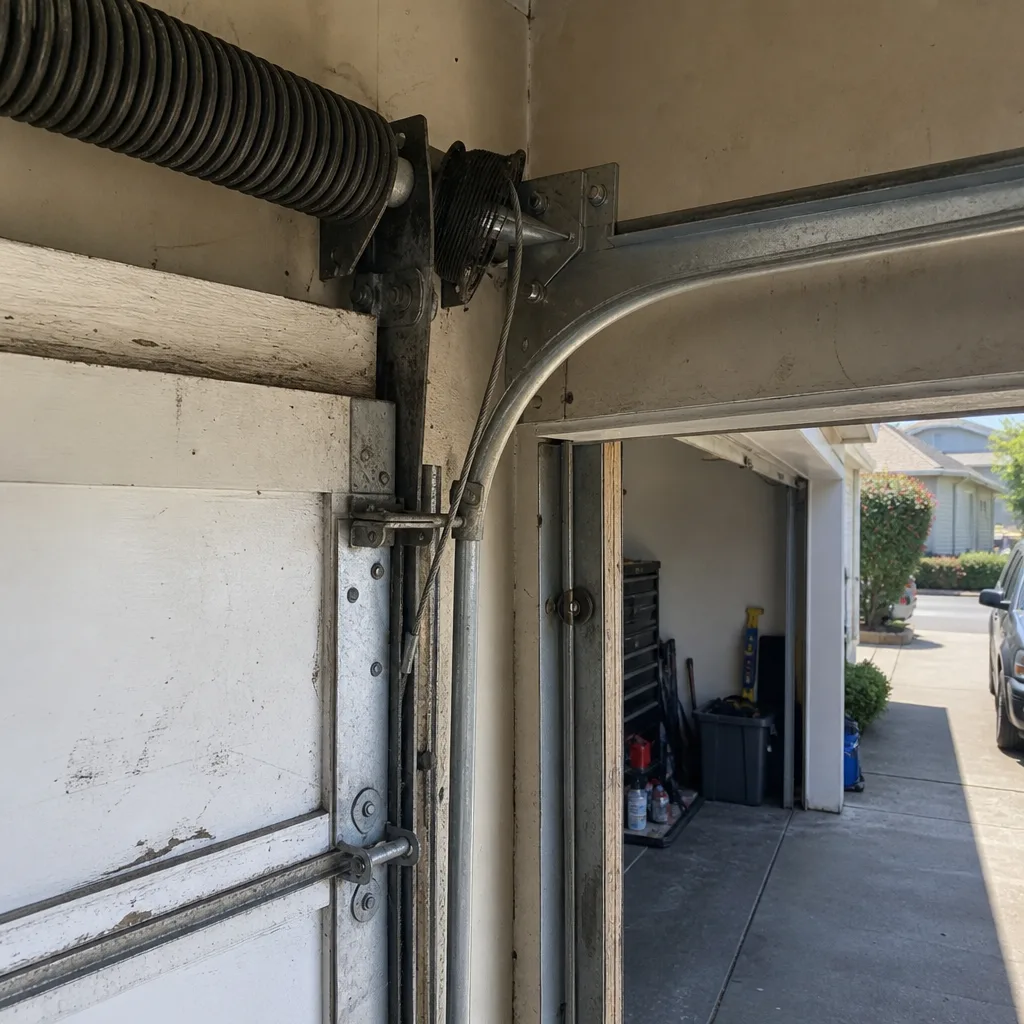 Before
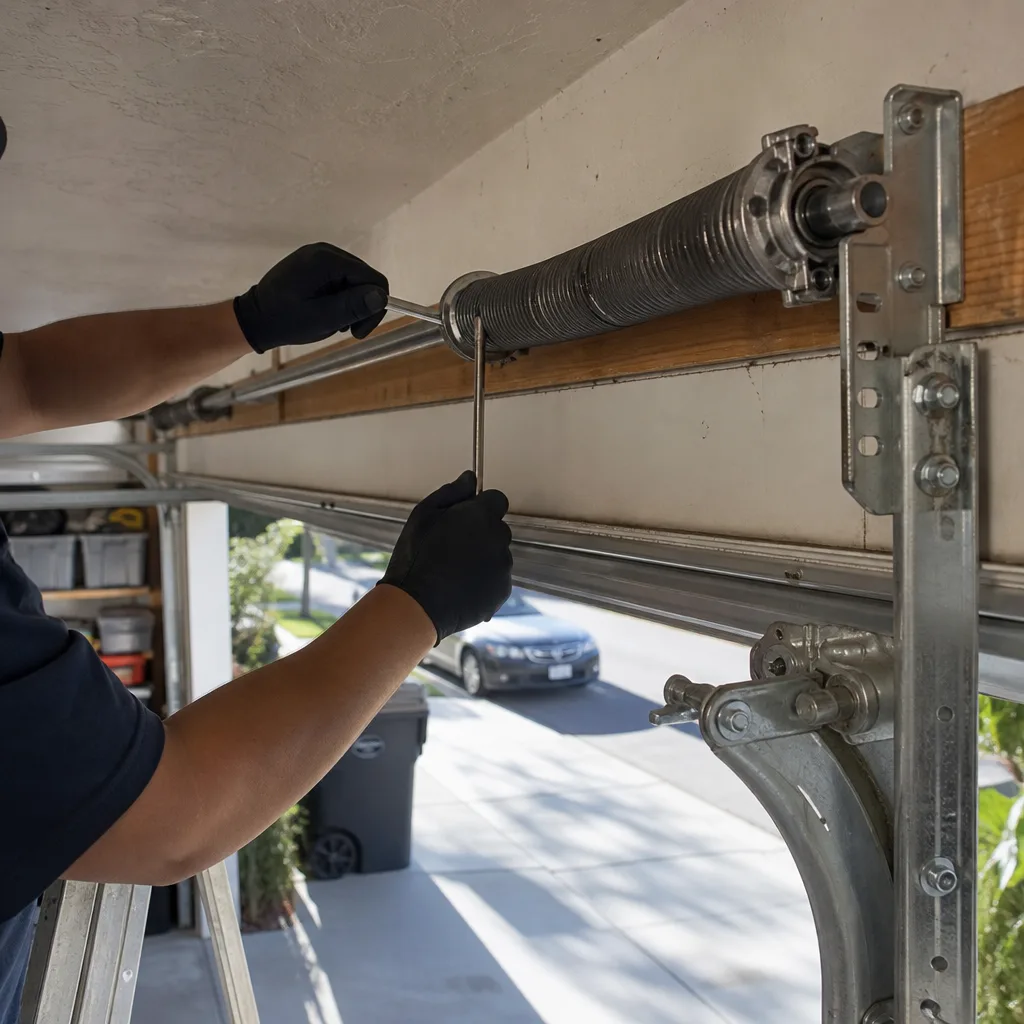 After
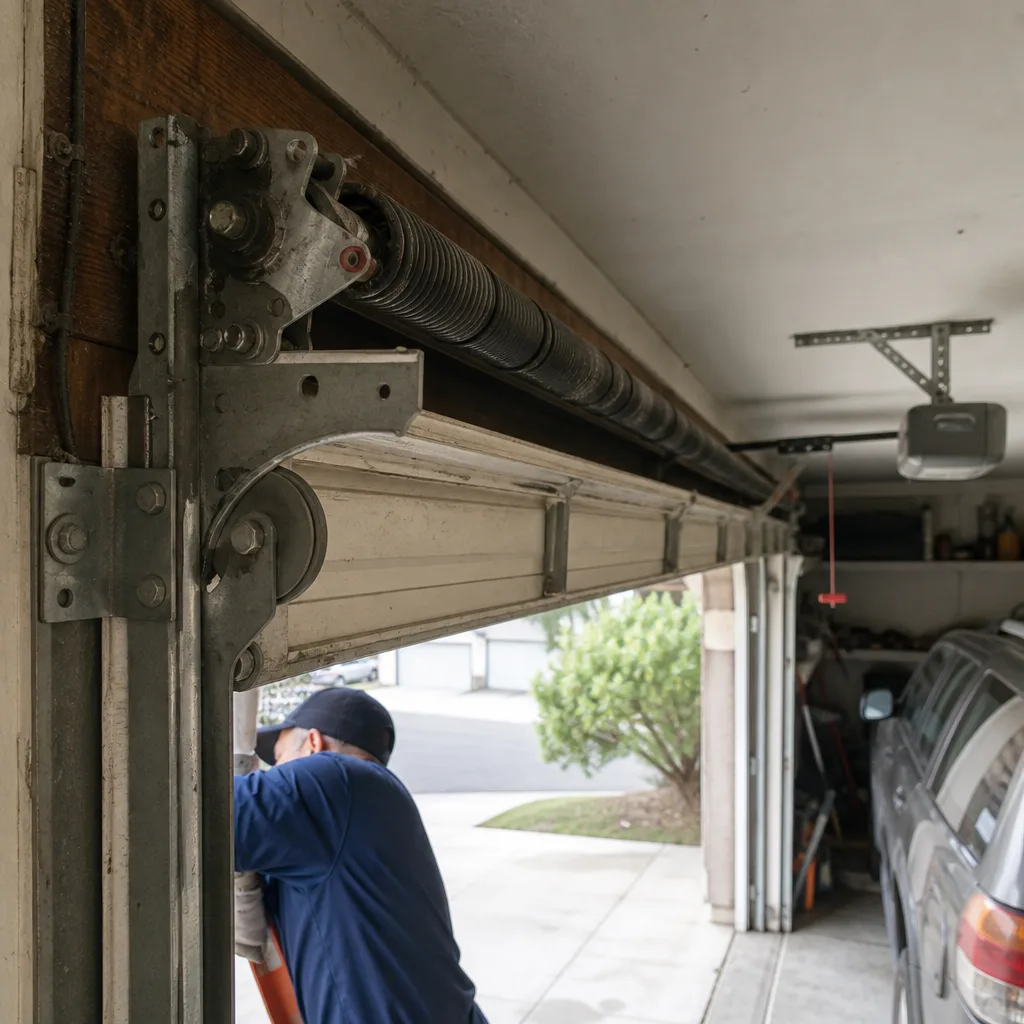 Before
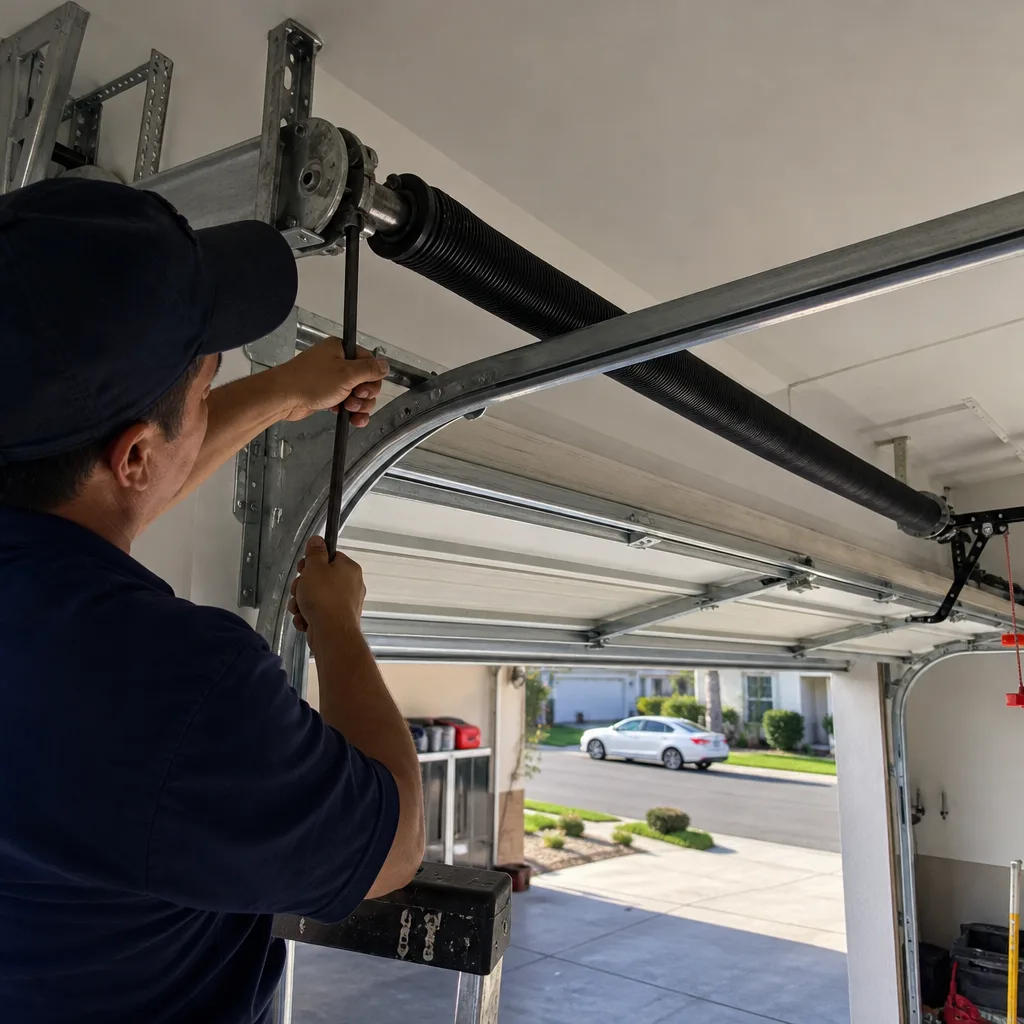 After
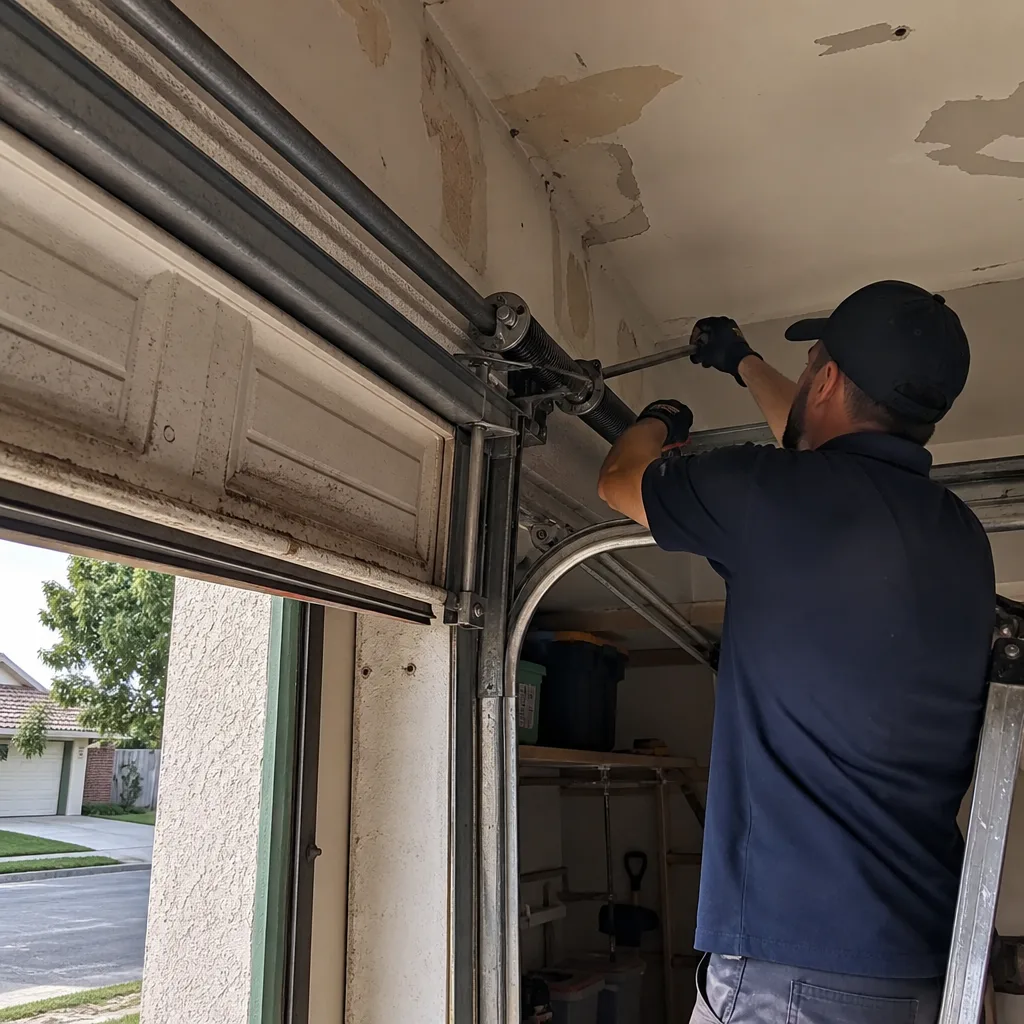 Before
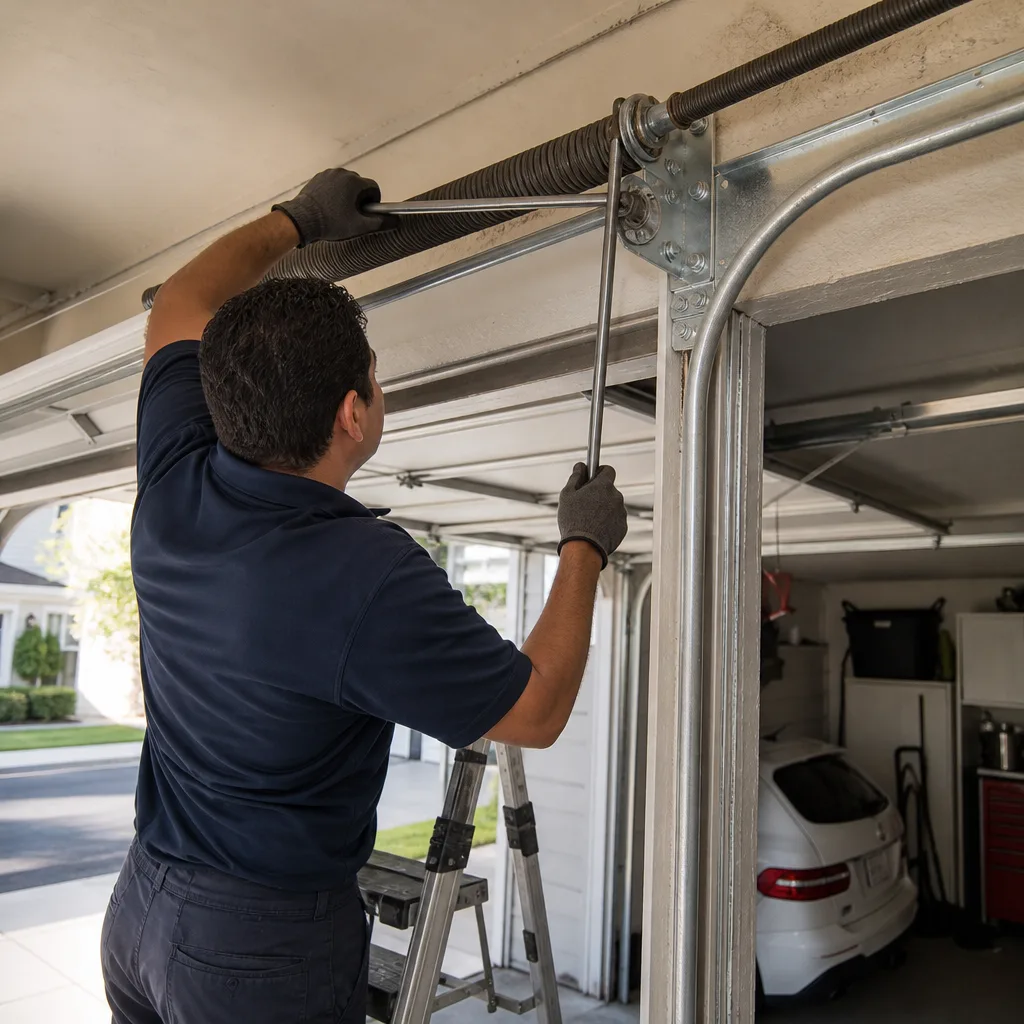 After