

Last updated October 31, 2026
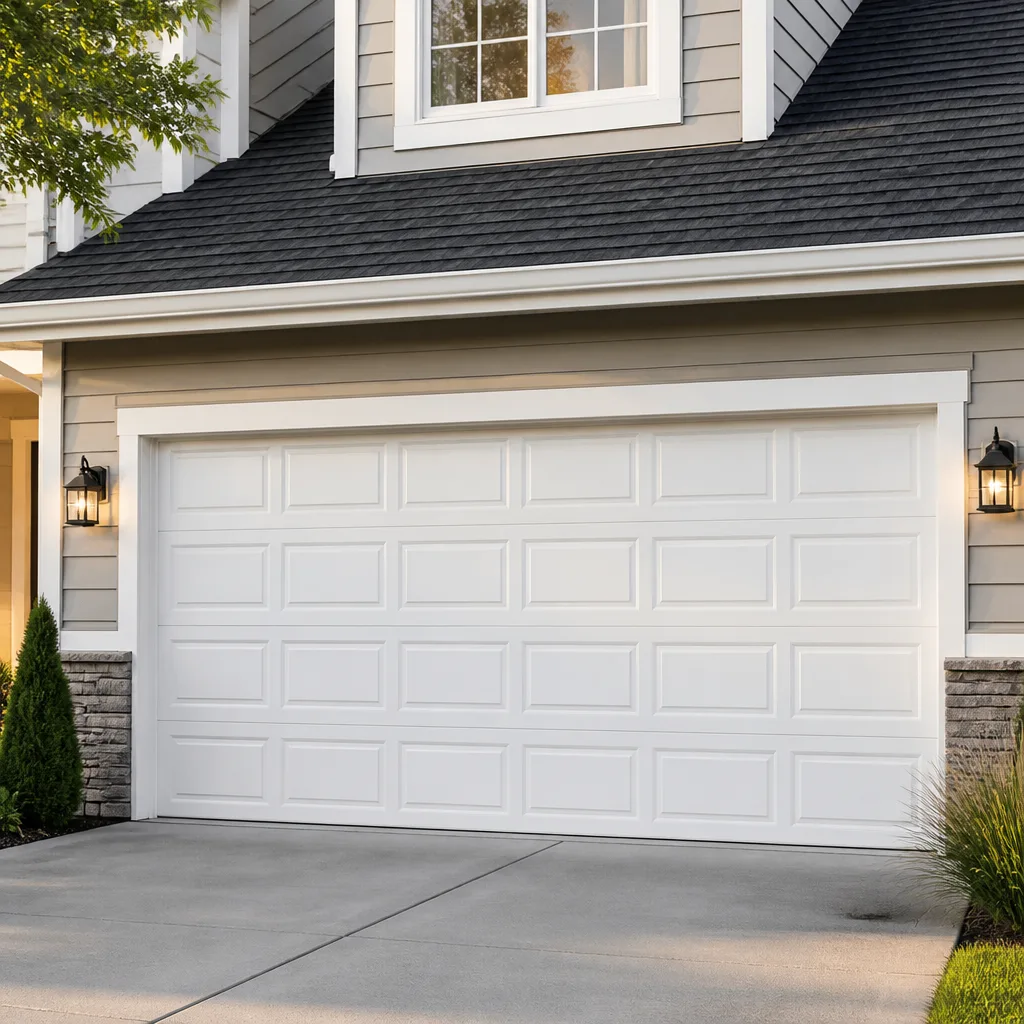 Raised-panel steel
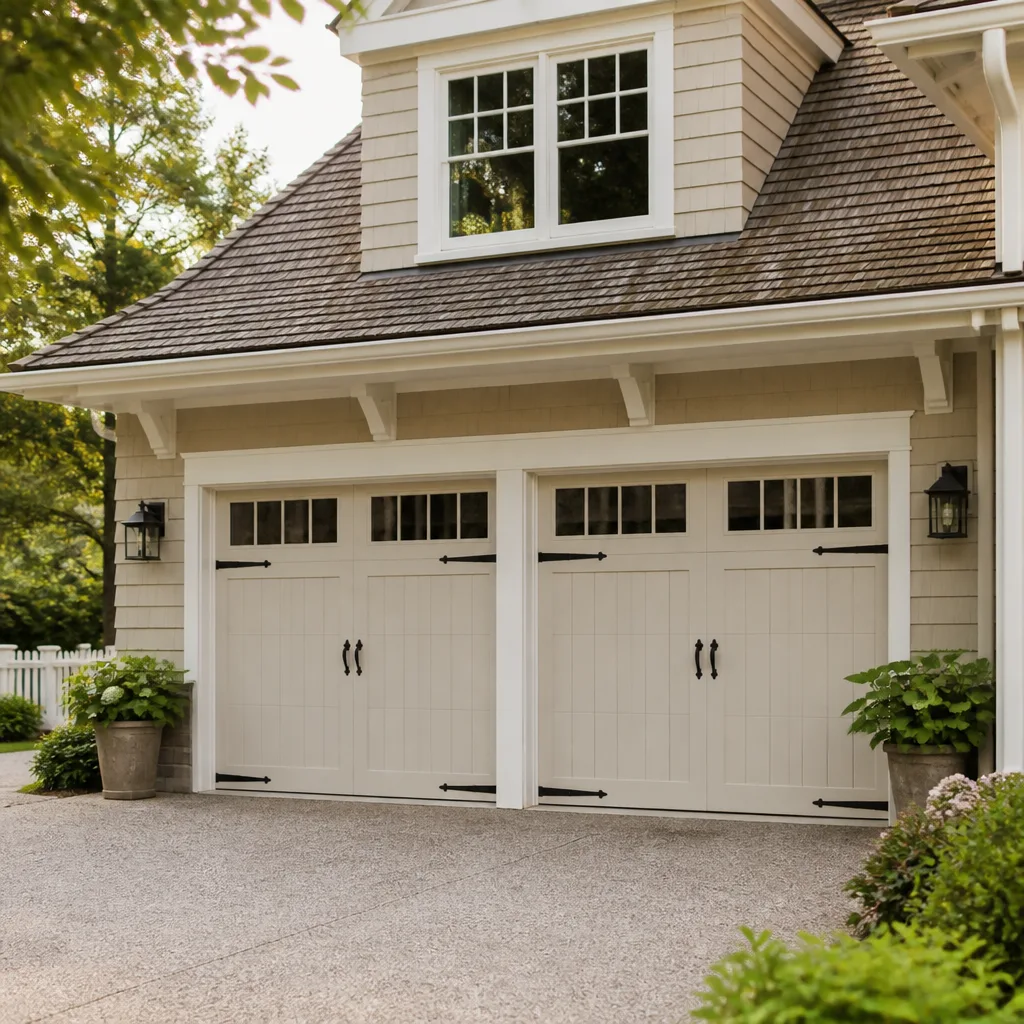 Carriage house
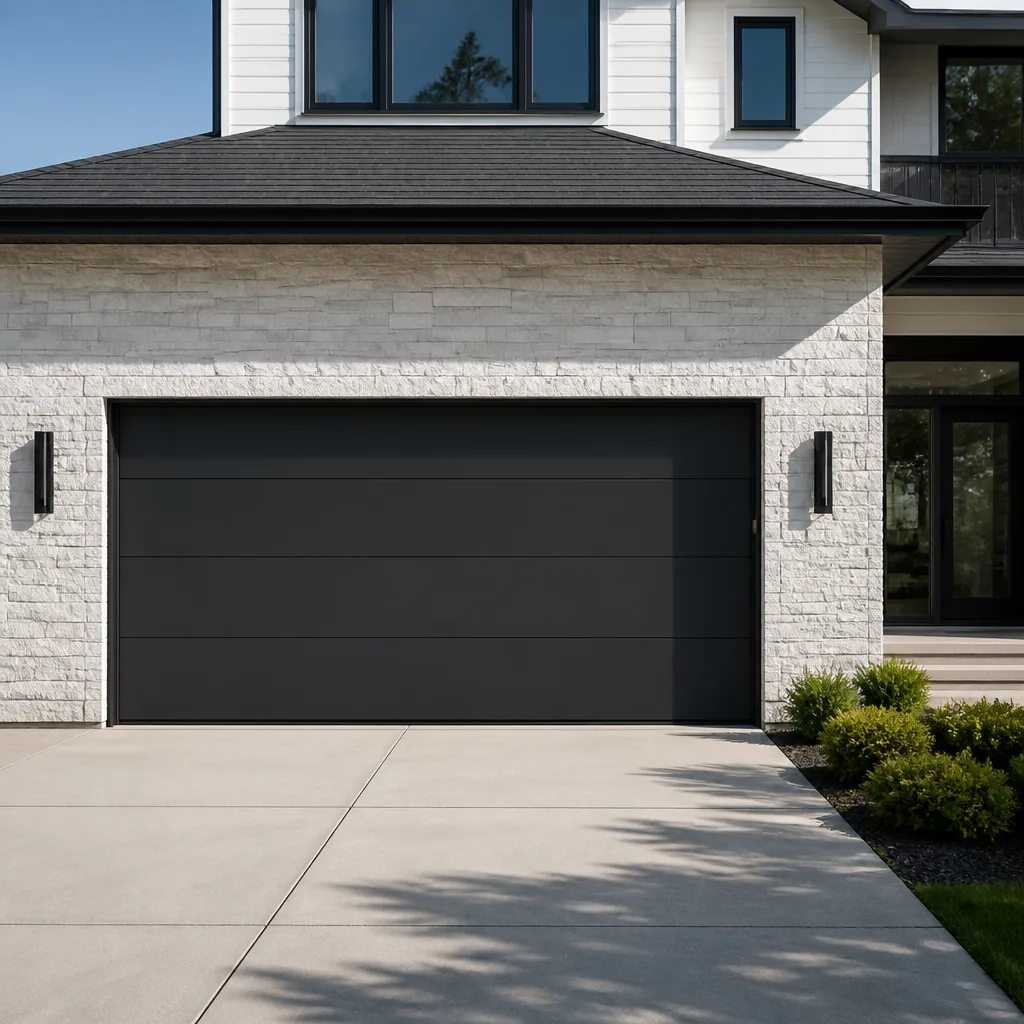 Modern flush
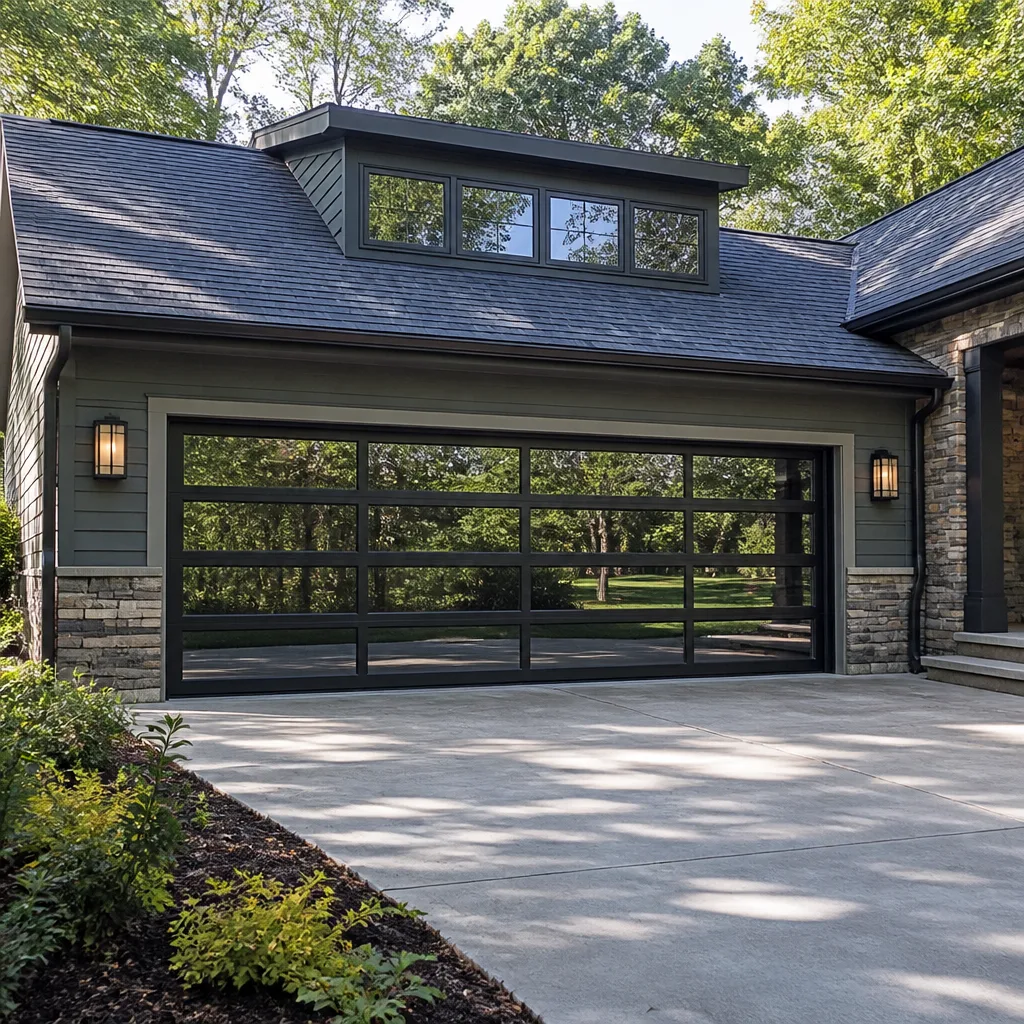 Full-view glass
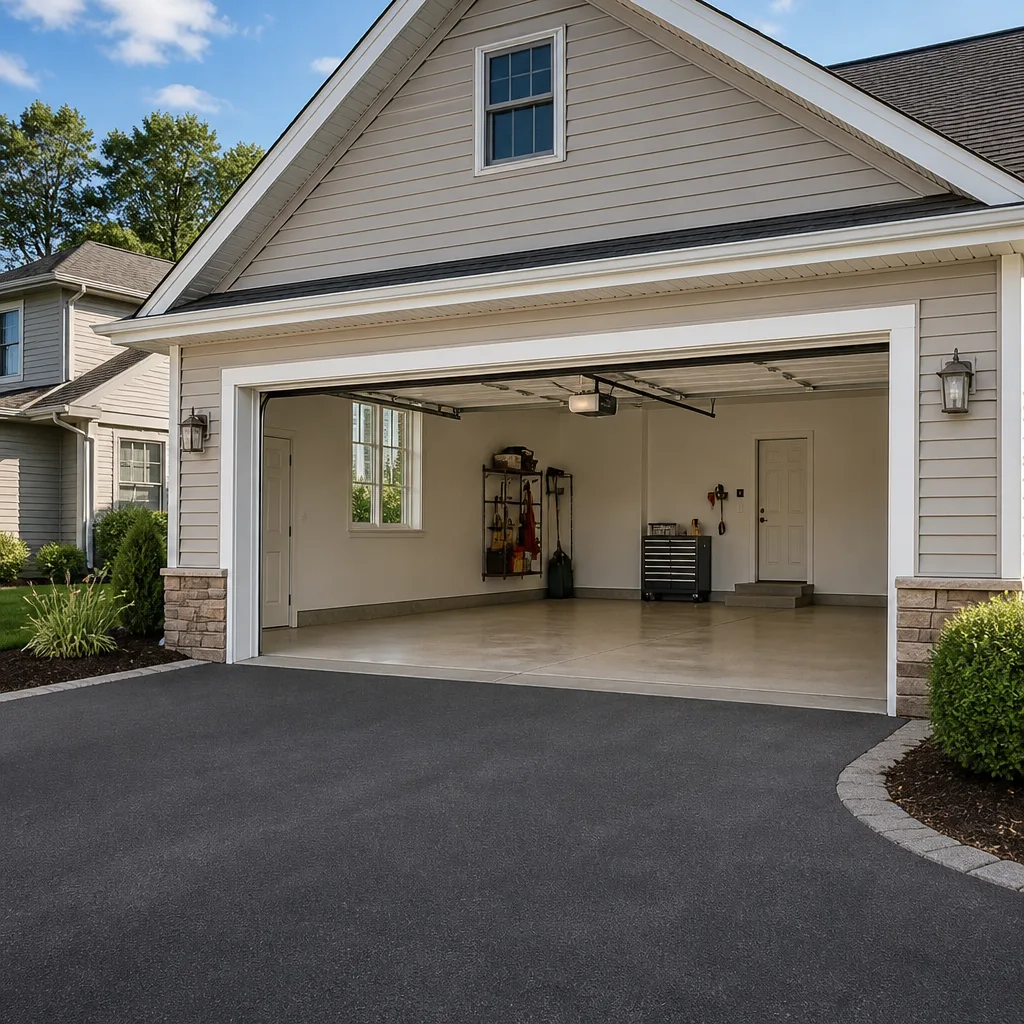 LiftMaster openers
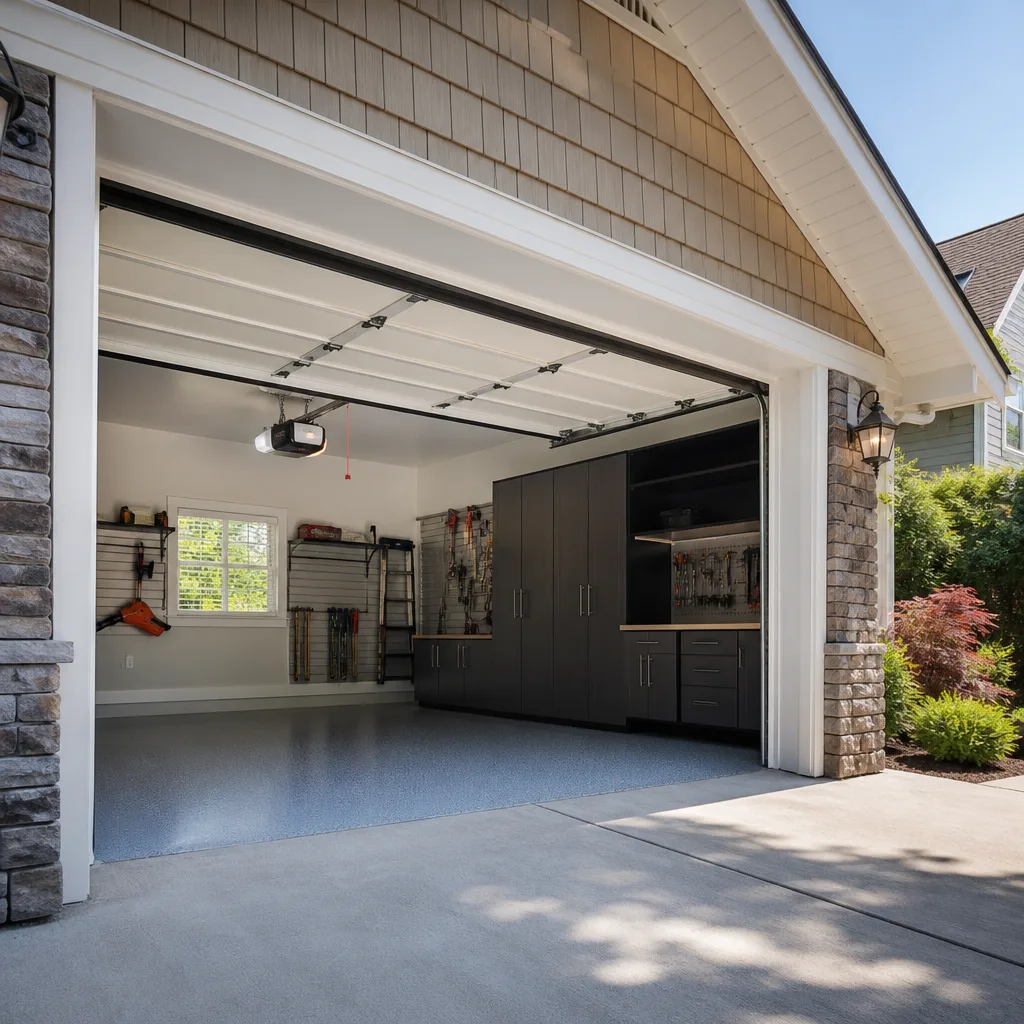 Chamberlain openers
Full 25-point door and opener safety check with every visit - springs, cables, rollers, tracks, and your LiftMaster or Chamberlain opener included
You get a price before we start. It does not change when the truck arrives.
Get your free estimateGarage Door Warning Signs: A Irvine Homeowner’s Reference Guide
Most garage door guides wait until something breaks to call it a warning sign. By then, it’s not a warning anymore. It’s a repair bill. Here’s the counterintuitive truth we’ve learned from years of service calls across Irvine: your garage door tells you it’s failing weeks before it actually does. A door that’s “a little slow in the morning” isn’t a quirk. It’s a torsion spring losing tension overnight as Irvine’s coastal temperature swings take hold, and that spring is quietly measuring out its remaining cycles. This guide maps the subtle signals that give you a 30-to-90-day window to act before a breakdown turns your garage into a dead-end. We’ll cover sounds that most people ignore, speed changes that take three seconds to measure, and visual cues you can spot without any technical background.
Quick Answer
The most common garage door warning signs in Irvine homes are a door that moves slower than usual, a grinding or popping sound during operation, visible cable wear near the drum, and an opener that reverses without reason. Any of these signals, especially when you notice them together, means a component is approaching failure and should be inspected within 30 days—our guide on How to Hire a Garage Door Contractor in Irvine: A Step-by-Step Guide can help you know what to expect. The earlier you catch them, the cheaper and simpler the fix.
Styles & brands we work with
Table of Contents
- The Three-Second Rule: Measuring Spring Health by Door Speed
- Cable Drum and Winding Cone: What to Look at Before the Spring Breaks
- Opener Behavior as a Diagnostic Tool: Why the Opener Isn’t Always the Problem
- The Sound Map: Clicking, Grinding, and Popping, Explained
- Panel Warping and HOA Flags: A Irvine-Specific Signal You Shouldn’t Ignore
- Common Mistakes to Avoid
- When to Call a Professional
- Frequently Asked Questions
The Three-Second Rule: Measuring Spring Health by Door Speed
Here’s a test you can run right now. Stand next to your garage door and count the seconds it takes to travel from fully open to fully closed. A properly balanced door takes about three seconds, give or take a quarter second, depending on the height of your door and the type of opener you own. If your door takes four seconds or longer, something has changed. On most Irvine homes, that something is a torsion spring that’s lost tension. As the spring weakens, it can no longer counterbalance the full weight of the door, so the opener motor has to work harder and move slower. This is not a minor shift. It’s the spring announcing it’s nearing the end of its cycle life.
How to Run the Test Correctly
- Disengage the opener using the red emergency release cord. You want to test the door’s natural, unassisted movement.
- Lift the door manually to knee height and let go. A healthy door stays in place. A door that drifts downward needs spring attention.
- Time the door’s travel while closing it manually. If it feels noticeably heavier than it did six months ago, that’s a tension loss signal.
- Reconnect the opener and run it. Listen for any change in motor pitch, which indicates increased strain.
The specific number that matters: a deviation of more than half a second in either direction from your door’s baseline travel time is a sign worth investigating. Irvine’s coastal climate plays a role here. Cooler overnight temperatures, especially in neighborhoods like Woodbridge and Turtle Rock, cause metal springs to contract slightly. That’s normal. What’s not normal is when the cold-morning sluggishness persists into the afternoon. We’ve seen homeowners in Northwood mistake this for a low opener battery or a track issue, only to find the real culprit was a spring that had lost 15 to 20 percent of its tension. If you catch it before the spring snaps, a spring replacement is a straightforward, scheduled repair, not an emergency.
Cable Drum and Winding Cone: What to Look at Before the Spring Breaks
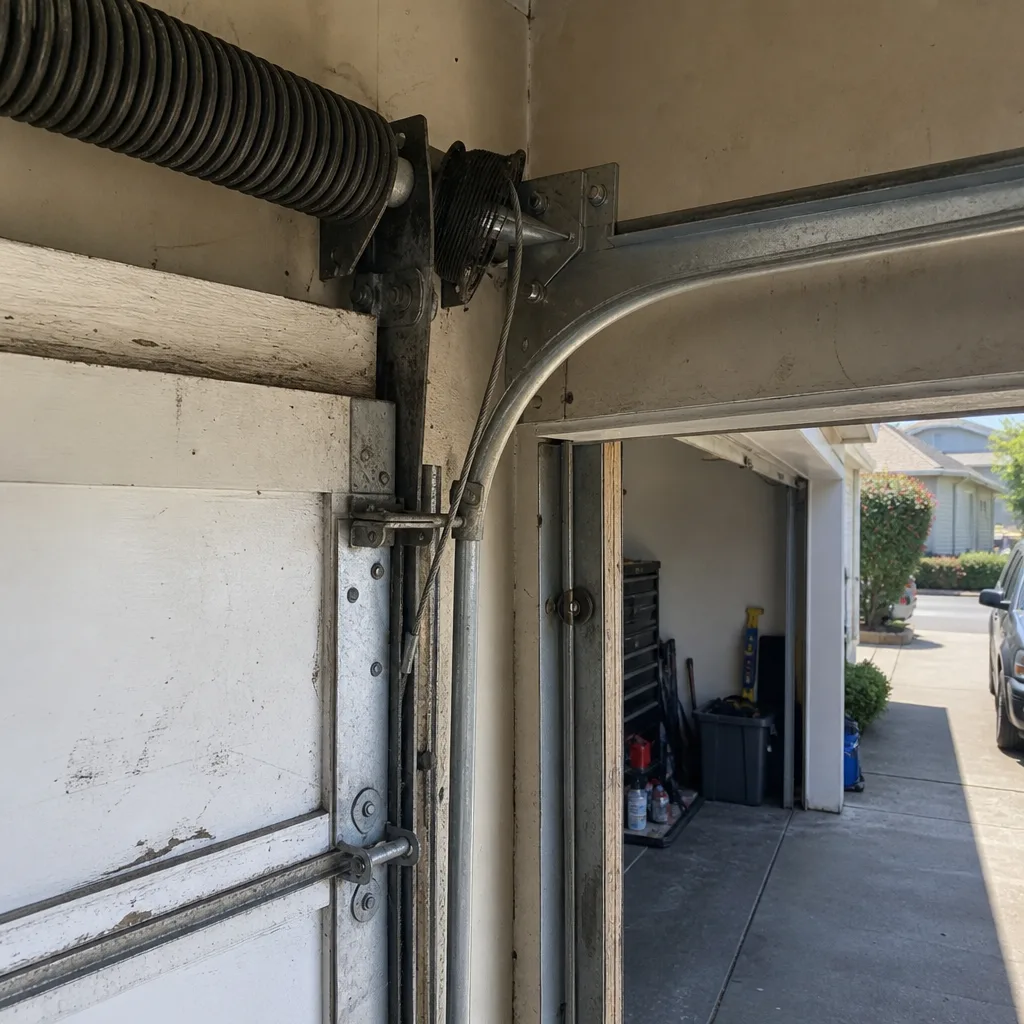
The torsion spring is the muscle of your garage door, and it sits on a metal tube directly above the door opening. At each end of that tube is a cable drum. The cables wrap around those drums and connect to the bottom corners of the door. When a spring is healthy, the cables wrap evenly around those drums, sitting side by side without gaps or overlaps. When a spring is fading, the balance of the door shifts, and the cables begin to stack unevenly or loosen slightly. Here’s the plain-language version of what to look for: run your eye along the cable from the drum down to the bottom bracket. A healthy cable is taut and smooth. A cable that looks slightly slack, or that crisscrosses itself on the drum, is a sign that the spring is no longer keeping even tension.
Three Visual Checks Anyone Can Do
- The gap check: Look at the gap between the cable coils on the drum. Any gap wider than a credit card suggests the cable is losing tension.
- The winding cone check: The winding cone is the metal fitting at the end of the spring. If you see fresh rust-colored dust around it, that’s metal fatigue flaking off. A spring that’s shedding dust is nearing failure.
- The cable fray check: Run your finger gently along the cable (without pulling it). If you feel bristles or see individual wire strands separating, the cable is fraying. Frayed cables snap under tension.
This type of visual inspection is exactly what we do on every service call in Irvine, and it’s a major reason we’re factory-familiar with the brands that show up most in local garages: LiftMaster openers paired with Wayne Dalton doors, Genie systems on Clopay panels, Chamberlain drives across all kinds of residential setups. For help deciding between them, see our Choosing the Right Garage Door Brand: A Buyer’s Guide for Irvine. When you know what a specific brand’s cable drum should look like on day one, you can spot the drift from spec immediately. You don’t need that level of familiarity for the basic checks above. But understanding that the cable drum is a mirror for spring health gives you a window into what’s coming before it breaks.
Opener Behavior as a Diagnostic Tool: Why the Opener Isn’t Always the Problem
Here’s a scenario we hear constantly from Irvine homeowners: “My opener reverses for no reason. I’m at the bottom of the driveway, the door starts to close, and then it goes back up like it hit something.” They assume the opener is dying. In the majority of cases we see, the opener is doing exactly what it was designed to do. It’s responding to a signal from a different part of the system.
Most modern openers, including those from LiftMaster and Chamberlain, use a force-sensing circuit. When the door is balanced correctly, the opener’s motor moves the door with a predictable amount of effort. When a spring weakens, the door becomes heavier. The opener has to push harder to close it. If the force required exceeds the safety threshold, the opener interprets that extra resistance as an obstacle. It reverses. It’s not a malfunction. It’s the opener telling you the door is no longer in balance.
Another opener behavior that gets misread: the door starts to close, pauses, then creeps down slowly. On Genie and Chamberlain units, this is sometimes a travel-limit recalibration, but it can also be a signal that the door is binding on the track. If the track has shifted out of alignment, often due to loose bolts or a slight settling of the garage slab, the opener slows down because it’s fighting friction. The same is true on Raynor and Craftsman openers. The opener isn’t the problem. The track is. Treating the opener as the culprit leads to a pointless opener replacement while the underlying track issue remains. We’d rather replace a set of track bolts than see a homeowner replace a perfectly good opener. This is exactly the kind of mis-diagnosis that gets expensive fast.
The Sound Map: Clicking, Grinding, and Popping, Explained
Garage doors make noise. Some of it is normal. Most of it is not, and each sound maps to a specific component. Knowing the difference between a benign click and a dangerous pop can determine whether you keep operating the door or stop immediately.
Clicking
A rapid clicking sound during operation usually comes from the opener’s gear and sprocket assembly. On openers from Chamberlain and LiftMaster, a worn gear produces a distinctive fast clicking as the teeth fail to mesh cleanly. Clicking is a repair-soon sound. It won’t cause an injury, but continuing to operate the opener with a worn gear will eventually strip the gear entirely and leave the door stuck halfway. This is an opener-level issue, not a door issue, and it’s exactly what our Garage Door Opener Repair in Irvine service handles.
Grinding
Grinding is metal-on-metal contact, and it’s usually coming from the door’s track and roller assembly. Over time, the rollers in Irvine garages collect dust and grit. Coastal air accelerates the process. When the rollers lose their smooth surface, they grind against the track. Grinding is a repair-soon signal. If you ignore it, the rollers wear down to their metal cores and begin damaging the track itself. What could have been a simple roller replacement becomes a track replacement.
Popping
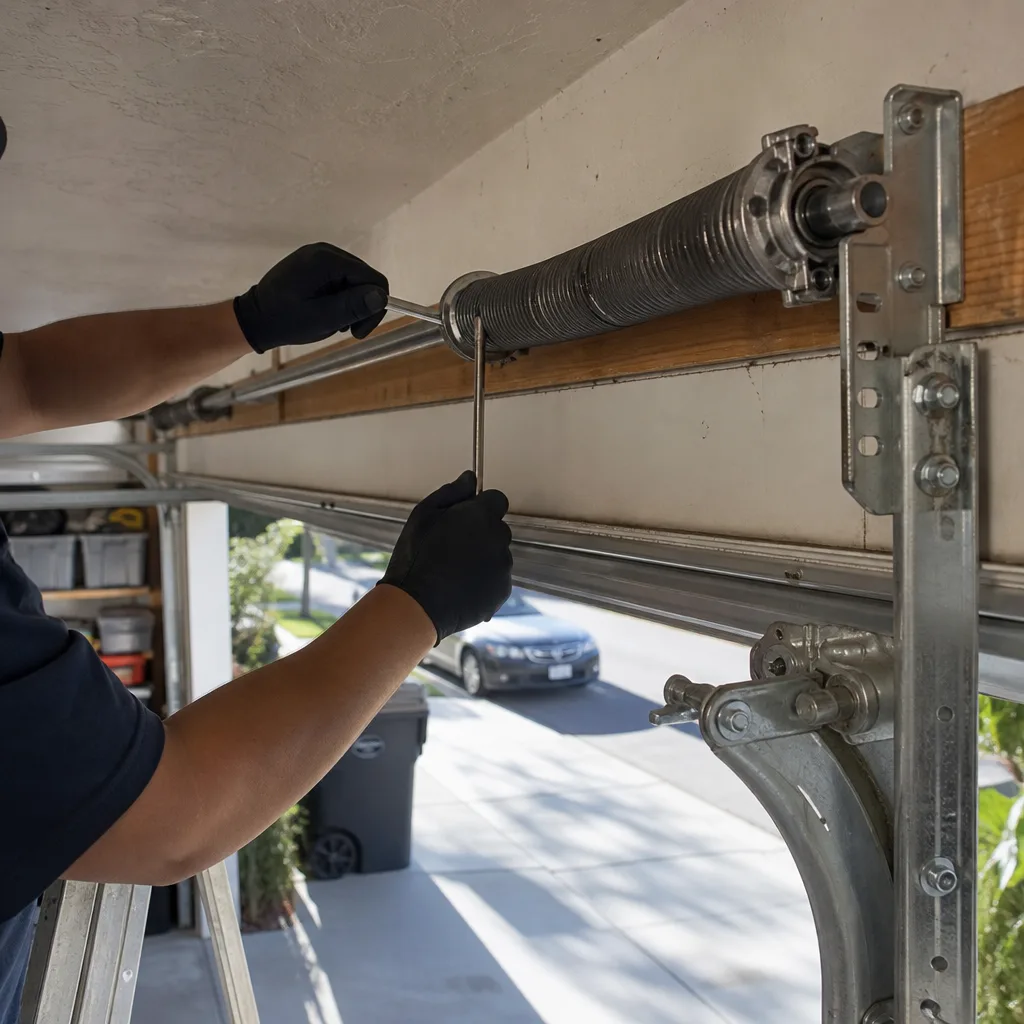
A loud pop during operation is the most urgent sound on this list. It’s the sound of a torsion spring snapping under full tension. If you hear a pop and the door stops moving entirely, or the door slams down hard, do not attempt to open it manually. A snapped spring means the door is no longer counterbalanced, and a door that weighs 150 to 250 pounds can come down with bone-crushing force. This is a stop-immediately condition. Call a professional who can handle the door safely and replace the spring without risking injury. This is also a reminder that high-tension springs and cables are dangerous components. We never encourage homeowners to attempt a spring repair themselves. The stored energy in a torsion spring is enough to cause serious harm.
Panel Warping and HOA Flags: A Irvine-Specific Signal You Shouldn’t Ignore
Irvine has one of the most robust HOA networks in Orange County. Most communities, from Westpark to Quail Hill, run exterior inspections at least once a year, and a common flag we hear about is panel warping. The HOA notices that a panel looks slightly bowed or sun-struck and sends a notice asking the homeowner to address it. Understandably, homeowners treat this as a cosmetics issue. They see a panel that’s lost its paint. We see a mechanical signal.
Panel warping on a Clopay or Amarr door typically means the door has been absorbing heat unevenly. Irvine’s summer sun is relentless, and if one panel warps while the others stay straight, the door’s geometry changes. The sections no longer travel along the tracks evenly. That puts pressure on the hinges, the rollers, and eventually the spring. A warped panel isn’t just an eyesore. It’s a load imbalance that accelerates wear on the rest of the system. When an HOA notice arrives, our recommendation is to have the door inspected, not just repainted. In many cases, a single panel replacement is less expensive than waiting for the imbalance to snap a spring or crack a hinge. A home with a wood door, which is common in older Irvine neighborhoods like El Camino Real and University Park, is especially prone to this because wood expands and contracts more dramatically than steel or fiberglass.
And here’s the practical side: if you’re dealing with warping that goes beyond repair, we handle full Garage Door Installation in Irvine as well. That means the same team that inspects your warped panel can quote a new door if that’s the better long-term answer for your home.
Common Mistakes to Avoid
- Ignoring a slow door. A door that moves slowly is not a personality trait. It’s a balance problem. The longer you wait, the more load the opener motor carries, and the faster the spring approaches its final break.
- Blasting the opener with lubricant. Spraying lubricant on the rail or the drive screw without knowing what you’re lubricating can attract more dust in Irvine’s dry climate. Grease and dry air make a paste that accelerates wear.
- Replacing the opener first. When the door is heavy and the opener struggles, replacing the opener without fixing the balance problem means the new opener will fail on the same underlying issue. Address the door first.
- Doing your own spring replacement. Torsion springs are under extreme tension. A single miscalculation on the winding cone can send a metal rod flying with lethal force. This is not a weekend project.
- Using the door manually after a spring snap. The emergency release cord is there for power outages, not for operating a door with a broken spring. Without spring tension, the door is a dead weight. A fall can cause serious injury.
- Ignoring HOA warping notices. If your Irvine HOA flags a panel, don’t just repaint. The mechanical imbalance behind the warp is a future repair waiting to happen.
When to Call a Professional
Some warning signs are invitations to inspect things yourself. Others are invitations to step away from the door and pick up the phone. You should call a professional immediately if you hear a loud pop from the spring, if the door refuses to move despite the opener running, if a cable is visibly frayed or has come off the drum, or if the door feels so heavy that you can’t lift it manually. These are not repair-soon conditions. They’re repair-now conditions. Waiting on any of them turns a $200 repair into a $600 one, and in the worst case, a falling door becomes a safety hazard for anyone in the garage. Redstone Garage Door Repair offers free estimates in Irvine. Call (855) 492-3366 and we’ll inspect the door, explain what we’re seeing in plain language, and give you a quote before any work starts.
Frequently Asked Questions
Your garage door spring is going bad if the door moves slower than it used to, feels heavier when you lift it manually, or you see rust-colored dust around the winding cone. The three-second rule is your simplest test: if the door takes more than about three seconds to close, or if it drifts downward when you release it at knee height, the spring has lost tension. In Irvine, you’ll often notice the difference first on cooler mornings when the metal contracts and the door struggles more than usual. If you notice these signs, schedule an inspection before the spring snaps. Call (855) 492-3366 and we’ll assess it for free.
Your garage door reverses because the opener’s force sensor is detecting more resistance than normal, and that resistance almost always comes from a door that’s no longer balanced. A weakening spring makes the door heavier, the opener pushes harder, and the safety system triggers the reverse. The opener is doing its job correctly. The problem is elsewhere in the system. Before you replace the opener, have the door’s balance and spring tension checked. It’ll save you money and solve the actual problem instead of the symptom.
A popping sound during garage door operation usually means a torsion spring has snapped under tension. The spring sits above the door and stores enormous energy to counterbalance the door’s weight. When it breaks, that energy releases suddenly, creating the pop. If you hear a pop and the door stops moving or slams down, do not try to open or close it manually. The door is now holding its full weight with no spring support. Call a professional immediately. Spring replacement is not a DIY job. The tension involved can cause serious injury.
Yes, a garage door can fall if a spring breaks while the door is in motion, especially if the door is partially open. The spring is what counterbalances the door’s weight, and without it, the full weight transfers to the cables and the opener. If the cables were compromised or the opener was disengaged, the door can drop. This is why we always advise Irvine homeowners to keep their hands clear of the track and to never operate a door with a visibly broken spring. The door’s weight is not something you can muscle against safely.
Most standard torsion springs are rated for 10,000 cycles, which in a typical Irvine household translates to roughly 7 to 10 years of use, depending on how many times a day the door opens and closes. Homes where the garage is the primary entry point, which is common across Irvine, will wear springs out faster than homes where the garage is mostly used for storage. If your spring is approaching that age or you’ve noticed any of the warning signs above, it’s smart to have it inspected. We can tell you how much life is left and quote a replacement before you’re dealing with an emergency.
If your garage door is off its tracks, stop using it immediately. Do not try to force the door back into place or continue operating the opener. The door is not stable in this condition, and attempting to move it can bend the tracks further or cause the door to fall. The most common cause in Irvine is a broken or worn roller that allowed the door to slip out of alignment, but a hard impact or a snapped cable can also push a door off track. Call a professional who can straighten the track, replace the damaged rollers, and inspect the rest of the system for the underlying cause. Call (855) 492-3366 for a free estimate in Irvine.
The Bottom Line
Your garage door gives you a long warning before it fails. The three-second speed test reveals spring tension loss. Cable condition on the drum mirrors spring health. Opener reversal points to door balance, not opener failure. And the sounds your door makes map directly to the components that need attention. In Irvine, where HOA standards and coastal climate add their own pressures, paying attention to these precursor signals means the difference between a scheduled repair and an emergency call. When you notice something changing, trust that observation. Doors don’t get better on their own. They get worse, and they get more expensive to fix the longer you wait. For more guides & resources, visit our blog. If you want a professional second opinion, call Redstone Garage Door Repair at (855) 492-3366. We’ll come out, inspect the system, and tell you exactly what’s happening and what it’ll take to fix it. No pressure, just straight answers.
Written by the team at Redstone Garage Door Repair, serving Irvine since 2015.
See the difference
 Before
 After
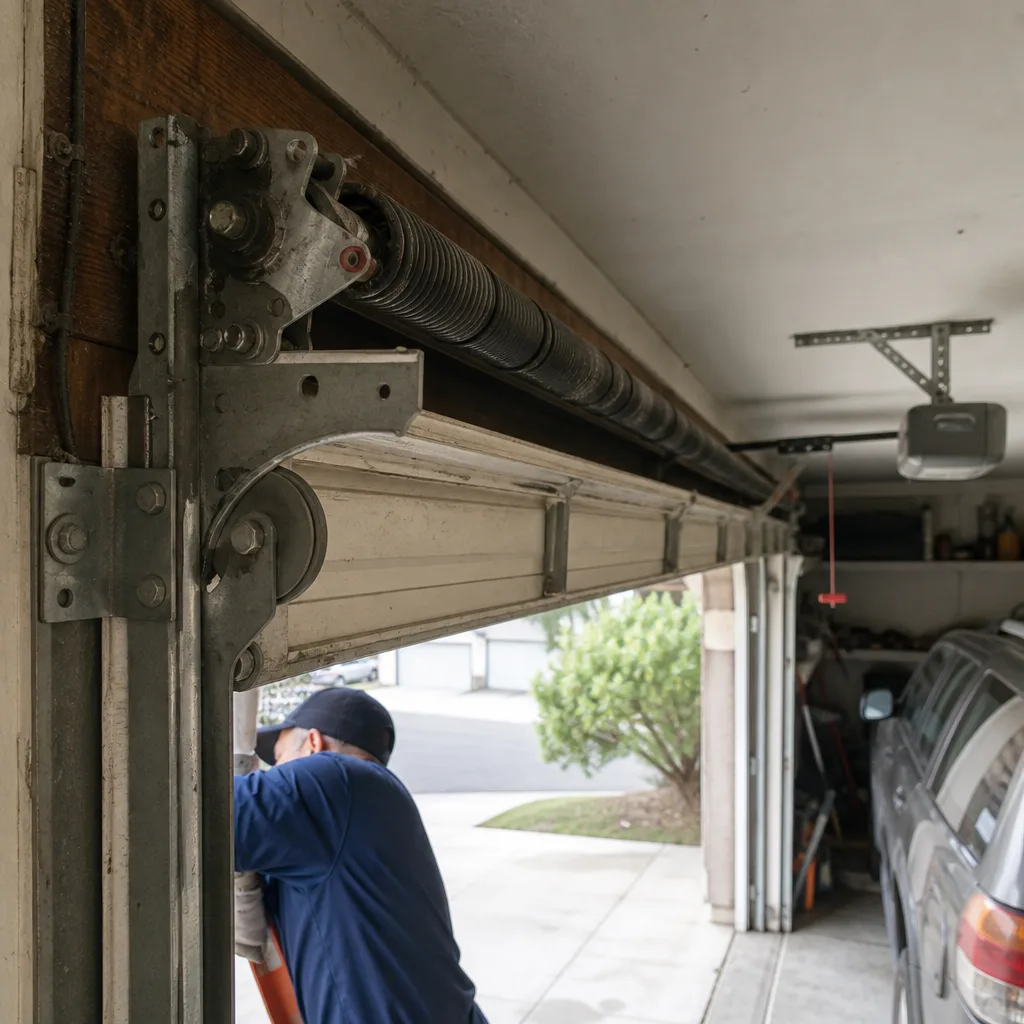 Before
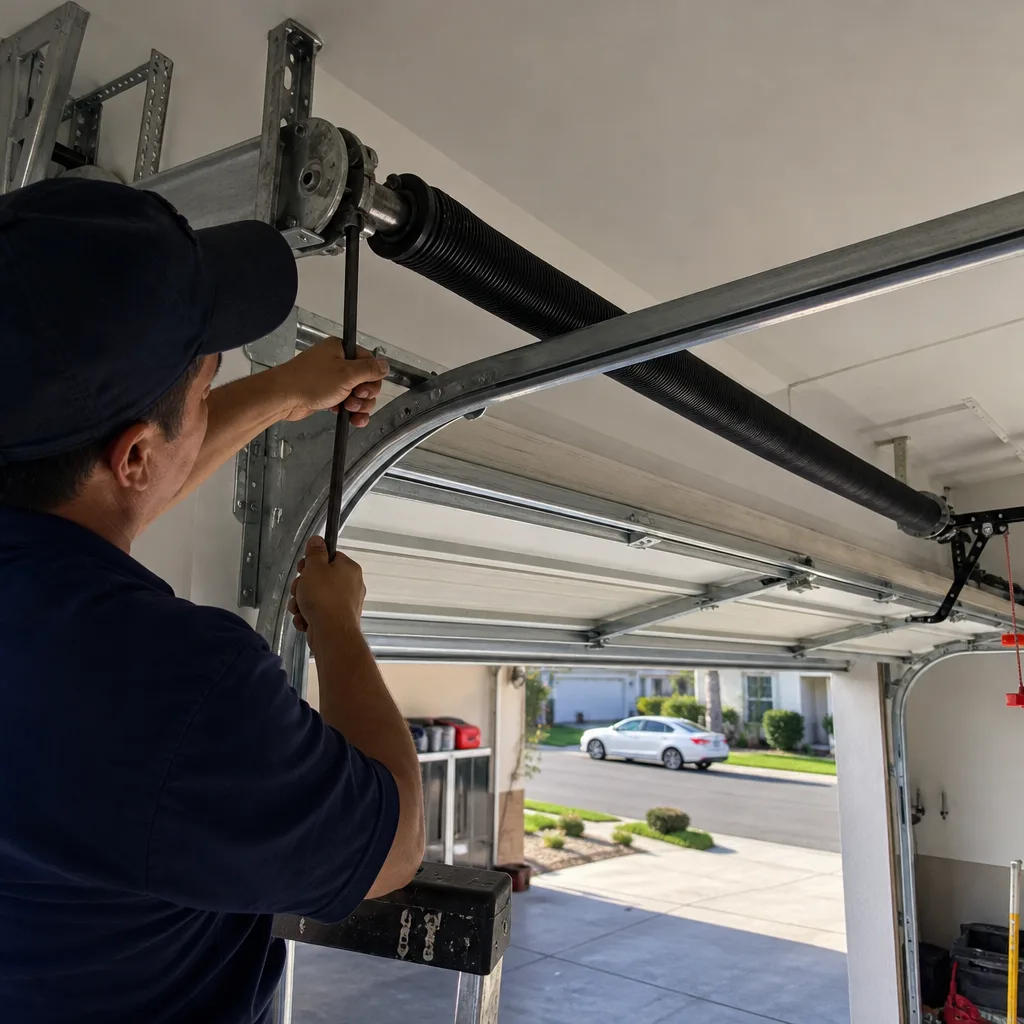 After
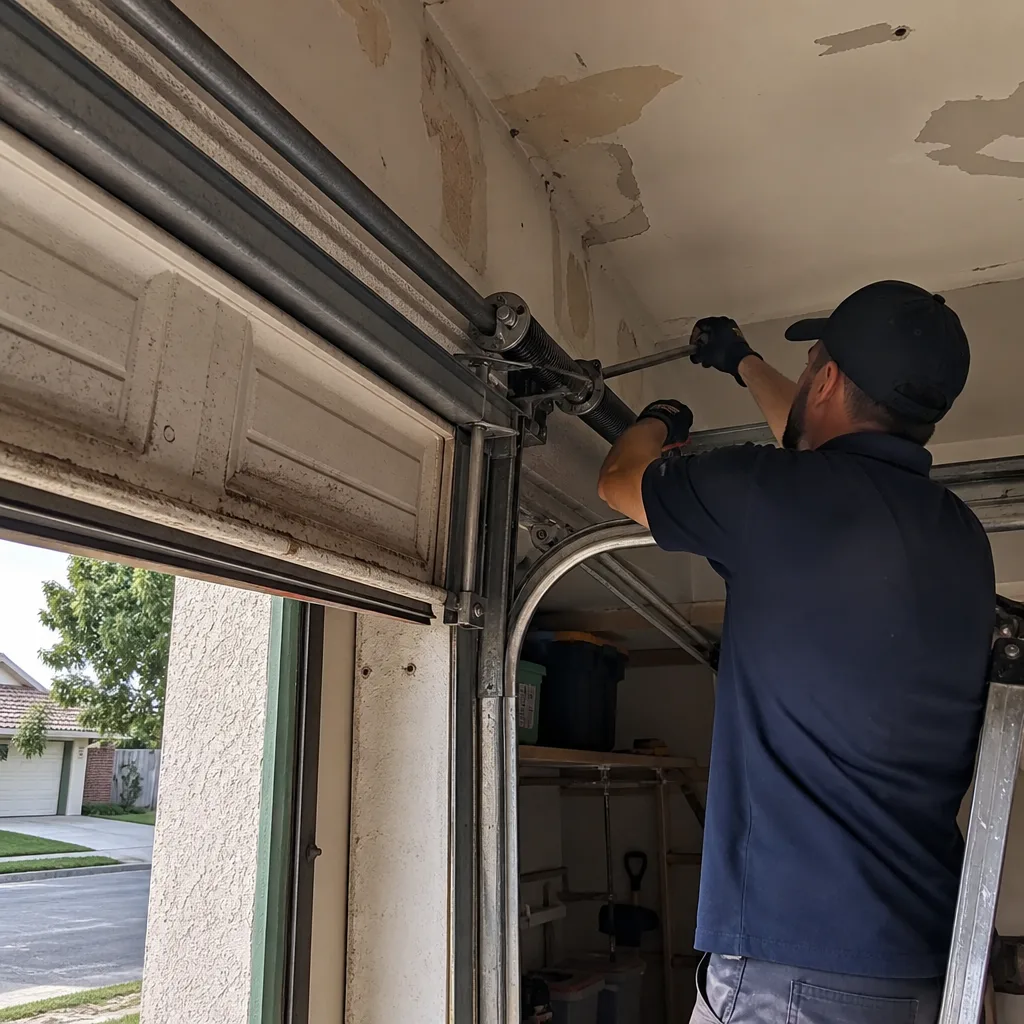 Before
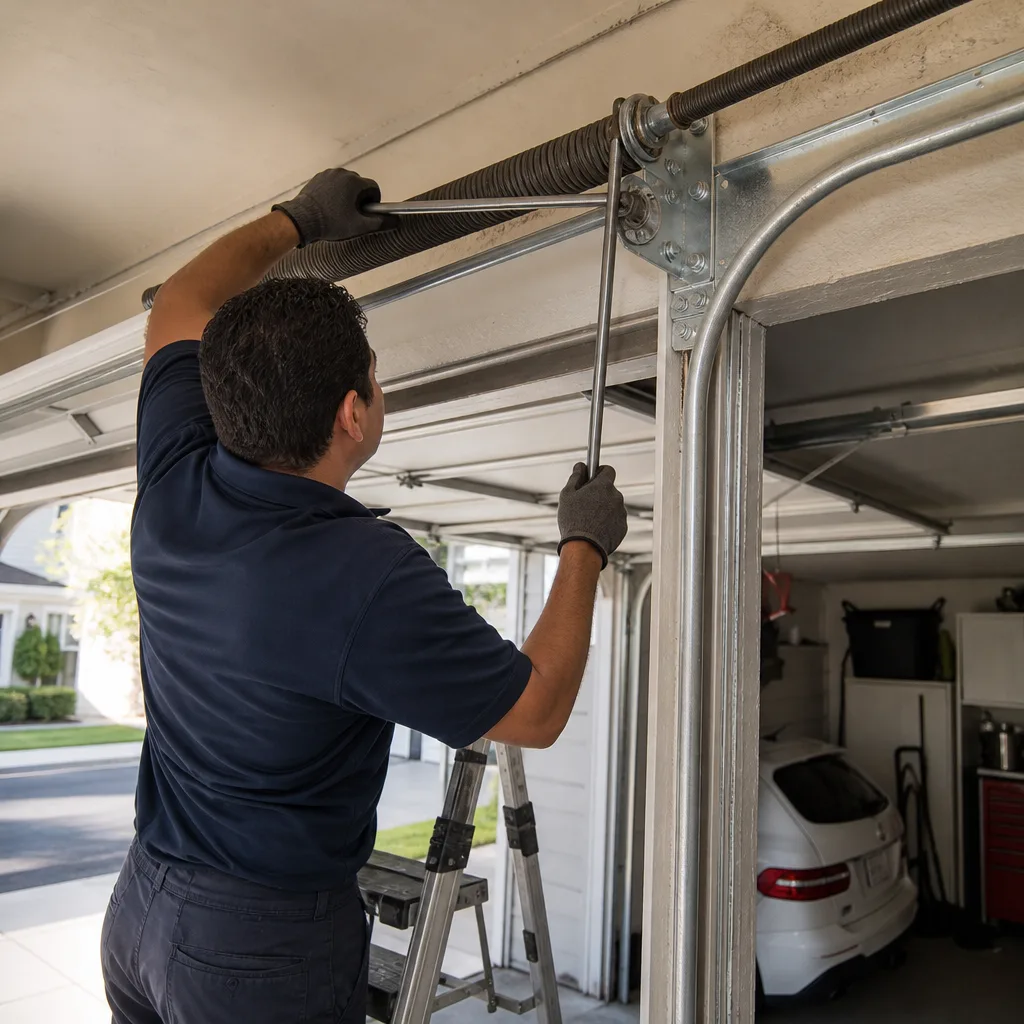 After