

Last updated October 31, 2026
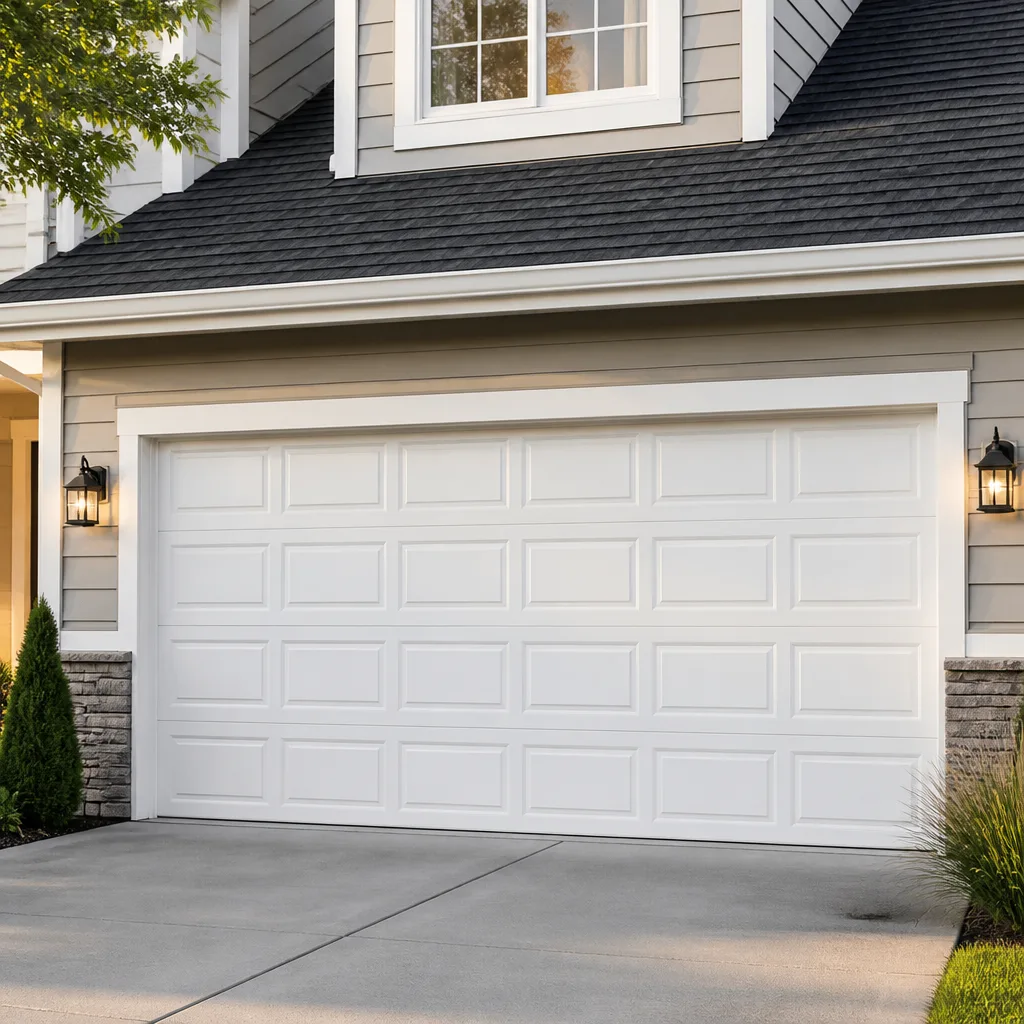 Raised-panel steel
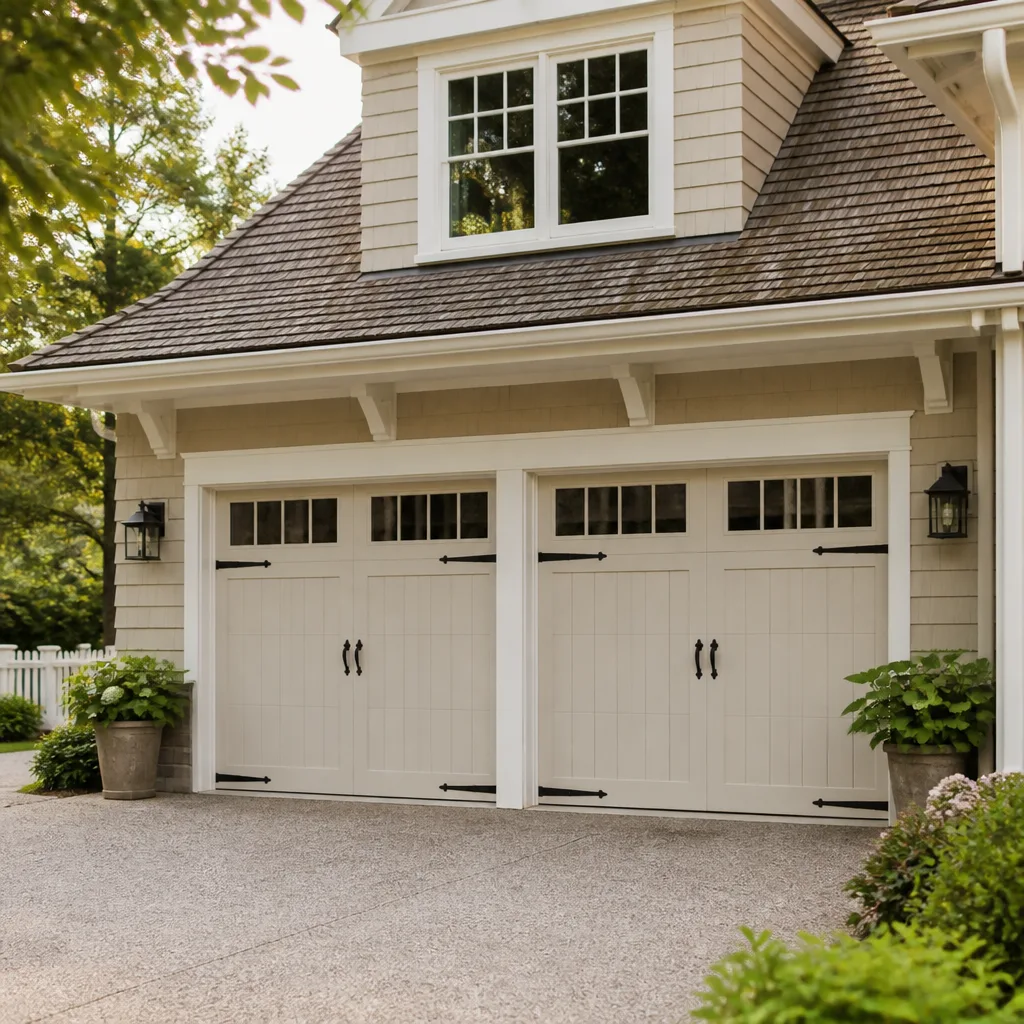 Carriage house
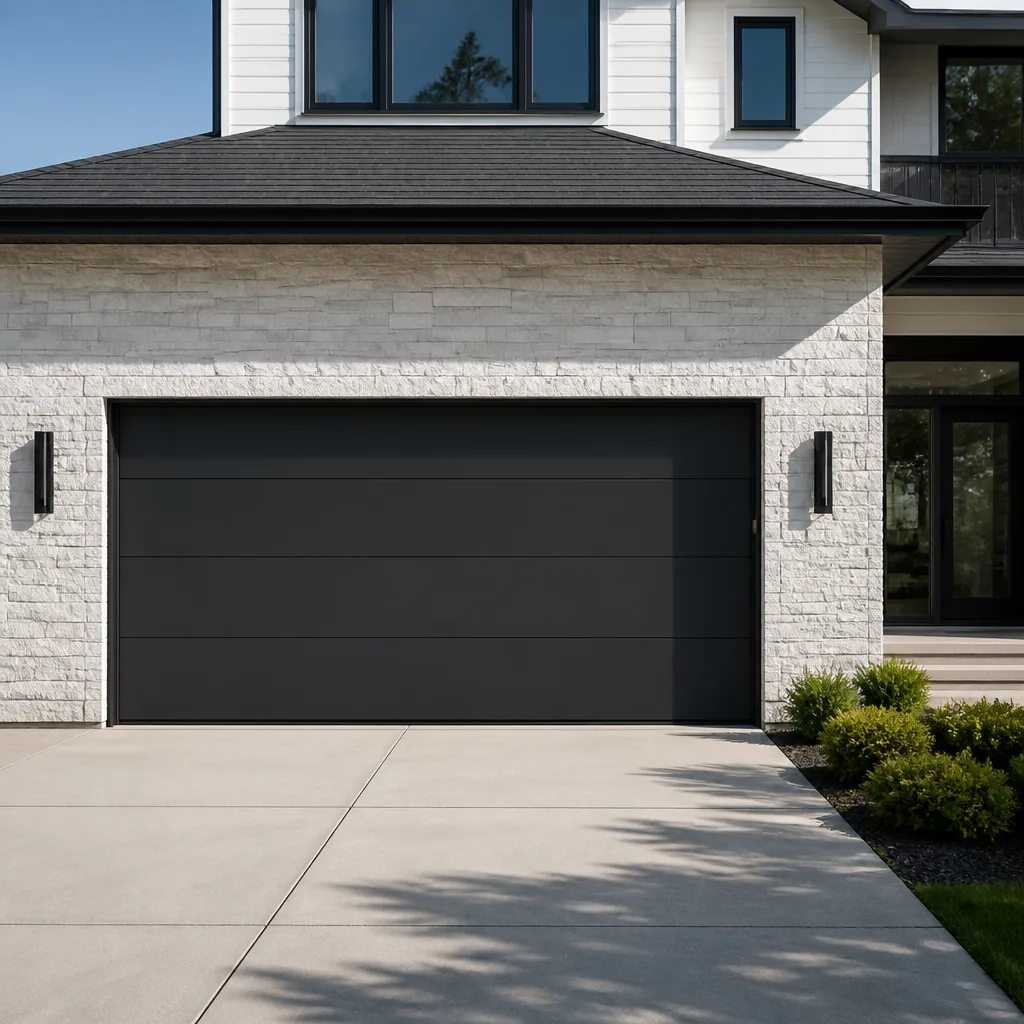 Modern flush
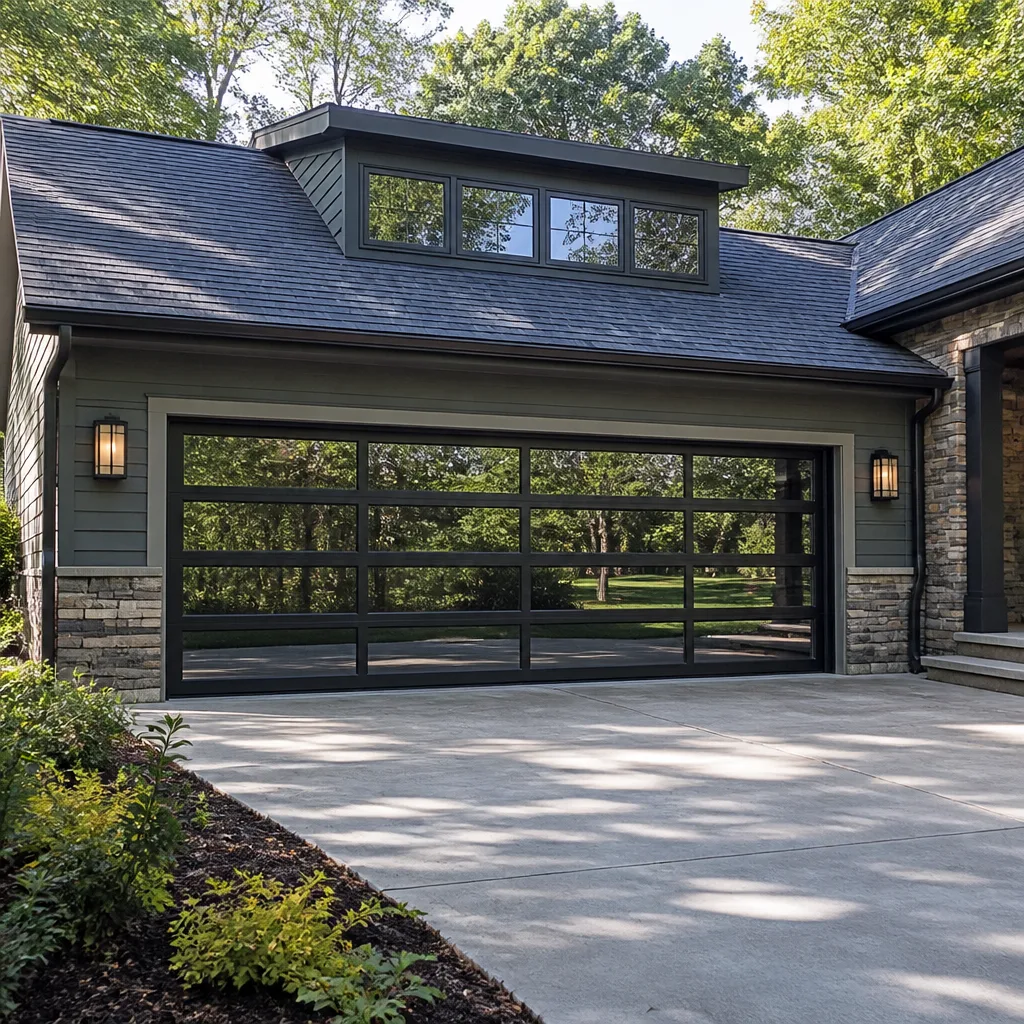 Full-view glass
 LiftMaster openers
 Chamberlain openers
Full 25-point door and opener safety check with every visit - springs, cables, rollers, tracks, and your LiftMaster or Chamberlain opener included
You get a price before we start. It does not change when the truck arrives.
Get your free estimateSeasonal Garage Door Care for Irvine: Year-Round Homeowner’s Guide
The Santa Ana wind events that hit Irvine every fall don’t just knock over patio furniture. They generate enough pressure differential across a closed garage door to flex the horizontal tracks by a few millimeters. You won’t see it happen. You won’t hear it happen. But six months later, when a torsion spring snaps on a quiet Tuesday morning, that accumulated track stress is often the root cause. This guide walks you through the four distinct stress cycles Irvine actually experiences, what each one does to your garage door system, and the specific checks that prevent small seasonal damage from becoming a $400 repair. We’ve condensed fifteen years of garage door repair in Irvine into one year-round maintenance routine.
Quick Answer
Seasonal garage door care in Irvine means checking track brackets and bottom seals before Santa Ana wind season, inspecting the threshold seal within 72 hours after winter rain, re-applying lubricant when spring temperatures climb past 85°F, and using different hardware care protocols depending on whether you live in coastal-adjacent western Irvine or inland neighborhoods. A simple balance test with a bathroom scale tells you when to call a professional before a spring fails, or see our The Complete Guide to Garage Door in Irvine for more seasonal tips.
Styles & brands we work with
Table of Contents
- Fall (Santa Ana Season): Track Brackets and Bottom Seals
- Winter (Rain Season): The 72-Hour Post-Rain Inspection
- Spring (Dry Heat Onset): Lubricant and Viscosity
- Summer (Marine Layer): Coastal Salt vs. Inland Dust
- The Annual Balance Test: What a Fail Actually Looks Like
- Opener-Specific Seasonal Care for Irvine Homes
- Common Mistakes to Avoid
- When to Call a Professional
- Frequently Asked Questions
Fall (Santa Ana Season): Track Brackets and Bottom Seals
Irvine doesn’t get a traditional fall. What it gets is wind. Real wind. Between October and December, Santa Ana events push dry desert air through the canyons at 40 to 60 miles per hour, with gusts that have hit 80 in some parts of Orange County. For your garage door, the threat isn’t the wind itself beating against the face of the door. It’s the pressure differential.
When high wind pushes against a closed garage door, the door bows inward slightly. That bowing transfers force to the horizontal tracks, which are mounted to the ceiling with angle-iron brackets. Over multiple wind events, those brackets can loosen by a quarter-turn at a time. A technician who’s done garage door opener repair in Irvine for any length of time has seen the result: a door that runs fine for months, then suddenly binds halfway up because a track shifted just enough to catch a roller.
What to Check Before a Major Wind Event
- Inspect every track bracket. You’re looking for the L-shaped brackets that connect the horizontal track to the ceiling and the vertical track to the wall. Grab each one and try to wiggle it. If it moves at all, the lag screw has backed out. Tightening a lag screw is safe, but if the hole is stripped, the bracket needs to be re-anchored.
- Look at the bottom seal from the inside. Close the door and check for light coming through under the seal. In Irvine’s slab-on-grade construction, the concrete pad can settle unevenly, leaving one corner of the seal tight and the other with a visible gap.
- Test the door’s balance manually. Pull the red emergency release cord and lift the door by hand to waist height. Let go. If it drops more than a few inches, the springs are losing tension. A balanced door stays roughly in place.
- Listen for roller noise during a normal cycle. Nylon rollers that have worn down will start to chatter. That chatter gets worse when the door is fighting wind pressure.
What to Check the Morning After a Santa Ana Night
After a serious wind event, you’ll want to run the door once and watch it carefully. Listen for any new grinding or scraping sounds. Look at the gap between the door edge and the track on both sides while the door is halfway up. If one side looks tighter than it did a week ago, the track has shifted laterally. That’s not a DIY fix. Bent tracks require re-alignment with a level and sometimes replacement, and a misaligned track under spring tension is genuinely dangerous to work around.
We work on virtually every residential door configuration found in Irvine, from older wood-panel doors in University Park to the steel insulated doors common in newer Great Park builds. The wind doesn’t care what brand is on the door. We’re factory-familiar with doors from Clopay, Amarr, and Wayne Dalton, which means a track-bracket issue on any of them gets diagnosed without guessing at specs.
Winter (Rain Season): The 72-Hour Post-Rain Inspection
Irvine averages about 13 inches of rain per year, and most of it falls between December and March. That’s not a lot by national standards, but the way Irvine homes are built makes the garage threshold uniquely vulnerable to water intrusion. Most garages in Irvine sit on a slab-on-grade foundation, meaning the concrete floor is poured directly on compacted soil. Over time, that slab settles. When it settles unevenly, the bottom seal of the garage door loses contact with the concrete on one side.
Heavy rain in Irvine doesn’t last long, but it comes in bursts. A single atmospheric river event can dump two inches in a few hours. Here’s the key: water that gets under the garage door doesn’t always show up immediately. It seeps under the threshold seal, pools in the low corner, and can sit there for days, warping stored boxes, rusting tool chests, and creating conditions for mold growth. The 72-hour window matters because that’s roughly how long standing water takes to start doing visible damage to the underside of drywall and to any wood baseboards at the interior wall.
The 72-Hour Post-Rain Checklist
- Within 24 hours: Run your hand along the bottom seal from the inside. If you feel dampness anywhere along the threshold, water got through.
- Within 48 hours: Look for tide lines on the concrete floor. A faint white or dark line showing where water pooled is a sign the seal failed on that side.
- Within 72 hours: Check the bottom seal for cracks and flattening. Rubber seals compress over time. In cooler winter temperatures, even a seal that looked fine in October can stiffen and stop conforming to the slab.
If you find water intrusion, the fix is usually a new bottom seal, but there’s a catch: not every seal fits every door. On Clopay doors, for example, the retainer channel that holds the seal is a specific profile. If you install a universal seal on a door that needs a brand-specific profile, it’ll look fine and still leak. This is one of the reasons brand familiarity actually matters for residential garage door work, as covered in our The Complete Garage Door Repair Guide for Irvine Homeowners. We carry seals matched to the door brands common in Irvine, including Clopay, Amarr, and Wayne Dalton.
One more thing specific to Irvine’s winter: the rain is cold by Southern California standards, and steel doors contract slightly. If you notice the door sticking on cold, wet mornings but running fine by afternoon, that’s thermal contraction. It’s not usually a defect, but it means your track clearance was already tight, and it’s worth having a technician check the alignment before the problem compounds.
Spring (Dry Heat Onset): Lubricant and Viscosity
Spring in Irvine is when the marine layer starts to break up and daytime temperatures climb into the 80s and 90s. For your garage door, the rising heat changes how lubricants behave. The grease or spray lubricant that worked through winter gets thinner as the temperature climbs. Thin lubricant runs off the moving parts faster, leaving metal-on-metal contact on the rollers, hinges, and the opener’s drive rail.
This is the season when we see an uptick in calls from homeowners who say their door “just started making noise.” In most cases, the door didn’t change. The lubricant did. The fix is re-lubrication with the right product for the temperature range.
What to Lubricate as Temperatures Climb Past 85°F
- Hinges: Every hinge point where two door sections meet. Use a silicone-based spray lubricant, not WD-40 brand standard formula, which is a solvent and actually strips lubricant.
- Rollers: The bearing where the wheel meets the shaft. If your rollers are nylon with sealed bearings, a light spray at the bearing is enough. If they’re steel, they need more frequent lubrication.
- Torsion spring: A light coating along the length of the spring. This reduces friction between the coils as the spring winds and unwinds. Do not use penetrating oil here.
- Opener drive rail: If you have a chain-drive opener, the chain needs light lubrication. Belt drives don’t. Screw drives need a specific grease, and using the wrong product can accelerate wear on the screw.
A note on viscosity: for Irvine’s dry heat, you want a lubricant that stays put at 85°F and above. Heavy white lithium grease works well on hinges and springs but attracts dust. In inland Irvine neighborhoods, where the spring air is dry and occasionally dusty, a dry-film silicone spray often works better because it doesn’t create a sticky surface for grit to collect on. For a LiftMaster or Chamberlain opener’s chain, the manufacturer actually recommends specific lubricants, and using the right one matters more on chain-drive systems than on belt-drive systems.
Summer (Marine Layer): Coastal Salt vs. Inland Dust
Here’s something most generic garage door maintenance guides miss entirely: Irvine has two different summer microclimates, and they require two different care protocols for garage hardware. The western part of Irvine, roughly west of the 405, gets a consistent marine layer in the early morning during June and July. That coastal air carries salt. Not the heavy salt of a beachfront condo in Newport, but enough that galvanized hardware on a garage door will show accelerated corrosion over five to ten years.
Inland Irvine neighborhoods, east of the 5, get less marine influence and more dry heat and dust. The failure mode there isn’t rust on the hardware. It’s dust accumulation in the track and on the rollers, which creates a grinding paste when mixed with lubricant.
Western Irvine (Coastal Influence): The Salt-Rust Protocol
- Inspect the galvanized track brackets and hinges for rust blooms. Surface rust on brackets is cosmetic. Rust on hinge pins is not. A corroded hinge pin will eventually seize, and a seized hinge puts uneven stress on the door sections.
- Check the exterior handle and lock hardware. These are the first parts to corrode because they’re outside the weatherstripping. If the exterior handle shows rust, the interior lock bar might be corroding too.
- Re-treat hardware annually with a corrosion inhibitor. A light wipe-down of exposed metal with a corrosion-inhibiting spray, not a full soak, is enough for most Irvine conditions.
Inland Irvine (Desert Influence): The Dust Protocol
- Clean the track channels quarterly. Use a damp cloth to wipe out accumulated dust. Do not grease the track itself. Grease in the track collects dust and creates a sticky buildup that slows the rollers.
- Check the photo-eye sensors. Dust coating the sensor lenses is a common cause of doors that reverse for no apparent reason. A quick wipe with a dry cloth solves it most of the time.
- Inspect the opener’s ventilation. Openers in inland Irvine garages run hotter. Dust accumulation on the motor housing acts as insulation. A quick wipe-down during summer keeps heat from building up.
This is the season when opener issues spike. A Chamberlain or Genie opener that’s five or six years old and mounted in a garage that hits 110°F in August is working at the edge of its thermal envelope. We’ve seen circuit boards fail on the hottest days of the year, and in most cases, the homeowner had no warning. The door worked fine until the day it didn’t. The best defense is keeping the opener clean and listening for any change in motor sound, which can indicate a failing capacitor before it actually dies.
The Annual Balance Test: What a Fail Actually Looks Like
Every garage door spring has a finite service life. Most torsion springs are rated for 10,000 cycles, which translates to roughly seven to ten years of normal use for an Irvine homeowner. When a spring loses tension, the door gets heavier to lift, which puts more strain on the opener, which shortens the opener’s life. Catching a weakening spring early means replacing a spring for a few hundred dollars instead of replacing a spring and an opener together.
The balance test is the single most useful diagnostic you can do as a homeowner. Here’s how to do it correctly.
Step-by-Step Balance Test
- Close the door completely.
- Pull the red emergency release cord. This disconnects the door from the opener carriage.
- Lift the door manually to about waist height, roughly three feet off the ground. Lift slowly and pay attention to how much effort it takes.
- Let go of the door. A properly balanced door will stay in place, or drift an inch or two either way.
- If the door drops quickly to the floor or takes noticeable effort to lift, the springs are losing tension.
- Test at two more positions. Lift to shoulder height and let go. Then lift to a few inches below full open and let go. A door that stays put at all three positions has healthy springs.
- Re-engage the opener. Pull the release cord toward the door until the carriage reconnects, then run the opener once to confirm it’s engaged.
The Bathroom Scale Test: What a Fail Number Actually Looks Like
If you want a more precise measurement, you can use a standard bathroom scale. Place the scale under the middle of the door with the door closed and the opener released. Lift the door manually. When you lift a properly balanced door, the effort at any point in the travel should be between 8 and 15 pounds of force. You can’t measure that precisely with a scale in the normal lifting motion, but you can approximate it: if lifting the door feels like picking up a 40-pound bag of water softener salt, it’s too heavy. A balanced door feels more like lifting a full gallon of milk, which is about 8 pounds.
If your door fails the balance test, don’t attempt to adjust the springs yourself. Torsion springs hold enough stored energy to cause serious injury if they release unexpectedly. In our experience, the right call is to have a technician replace the springs. That’s standard Redstone Garage Door Repair work, and we carry springs matched to the door’s weight and brand, whether it’s a Clopay, Amarr, or Wayne Dalton door.
Opener-Specific Seasonal Care for Irvine Homes
Your garage door opener lives a hard life in Irvine. It operates in an uninsulated garage, which means it experiences the full temperature swing from a 38°F winter morning to a 110°F summer afternoon. That thermal cycling is harder on the electronic components than the mechanical ones. The most common opener failures we see in Irvine fall into a few predictable categories.
The Most Common Opener Issues by Season
- Fall and winter: Cold-weather capacitor failures. The starting capacitor that gives the motor its initial jolt is most likely to fail when it’s cold. Symptoms: the opener hums but doesn’t move the door.
- Spring: Gear wear becomes noticeable. The nylon gears inside LiftMaster and Chamberlain openers wear down over time. When the weather warms up and the door gets used more, the worn gear finally strips. Symptoms: grinding noise, door moves partway then stops.
- Summer: Sensor and logic-board heat failures. The photo-eye sensors can drift out of alignment as brackets expand in the heat. The logic board can fail outright in extreme heat. Symptoms: door reverses immediately after closing, or opener is completely unresponsive.
If you have an older Genie or Craftsman opener and it’s giving you intermittent problems, the underlying issue might be that the opener is nearing the end of its service life. We service all the major brands, which matters when you’re deciding between repairing and replacing. A technician who only sells one brand of opener has an incentive to recommend that brand. We don’t have that constraint. If your existing opener is worth fixing, we’ll tell you that. If a newer Chamberlain or LiftMaster model would serve you better, we’ll explain why.
One thing to check seasonally regardless of opener brand: the auto-reverse mechanism. Place a 2×4 flat on the ground under the door’s path and close the door. The door should reverse within two seconds of contacting the wood. Federal safety standards require this feature, and if yours isn’t working, it’s a genuine safety issue, not a convenience issue.
Common Mistakes to Avoid
- Using WD-40 on garage door moving parts. Standard WD-40 is a solvent, not a lubricant. It’ll quiet the noise for a day or two, then leave the parts drier than before. Use a silicone-based garage door lubricant instead.
- Greasing the track. The track is not a lubrication surface. Grease in the track catches dust and grit, which creates a sticky paste that eventually binds the rollers. Keep the track clean and dry, and lubricate only the roller bearings and hinges.
- Ignoring a slow response from the opener. If the opener takes an extra second to respond after you press the button, that’s not normal aging. It’s often an early sign of a failing capacitor or logic board. Catching it early is cheaper than replacing the whole unit.
- Doing nothing after a heavy wind event. In Irvine, the most common cause of a door jumping its track is a wind event that shifted the track alignment just enough that a roller caught the next time the door cycled. Check your tracks after any Santa Ana event that brought gusts over 40 mph.
- Replacing one spring when there are two. If you have a two-spring system and one breaks, replace both. The other spring is usually near the end of its life too, and replacing just one means paying for a second service call within a year or two.
- Skipping the balance test because the door “seems fine.” Springs lose tension gradually. By the time a door is visibly struggling to open, the opener has already been compensating for months. An annual balance test is ten minutes of effort that can save hundreds of dollars.
When to Call a Professional
Most of the seasonal maintenance in this guide is safe to do yourself. Some things are not. If your torsion spring is broken, call a professional. The stored energy in a garage door spring is enough to cause serious injury, and the proper tools and procedures aren’t worth improvising. If your door has come off its tracks, especially in a way that leaves the door resting at an angle, don’t try to force it back. A door under partial spring tension that suddenly releases can drop with enough force to do real damage. If your opener’s logic board is failing, it’s not a component worth attempting a DIY repair on. Redstone Garage Door Repair offers free estimates in Irvine, call (855) 492-3366. We diagnose the whole system, door and opener together, so you’re not paying two different companies to each fix half the problem.
Frequently Asked Questions
Twice a year is right for most Irvine homes: once in late spring when temperatures start climbing past 85°F and once in late fall before Santa Ana wind season. Use a silicone-based lubricant on hinges, roller bearings, and torsion springs. If you live in inland Irvine with high dust exposure, you may need to clean the tracks quarterly but lubrication stays on the same spring/fall schedule.
Yes. The wind creates pressure against the face of the door, which flexes the horizontal track assemblies. Over multiple wind events, track brackets can shift and loosen. The damage usually shows up months later as a door that binds or a roller that wears unevenly. A quick track-bracket check before and after major wind events is the cheapest prevention.
Do the balance test described above. Release the opener, lift the door to waist height, and let go. If the door drops or takes more effort than lifting a full gallon of milk, the springs are losing tension. Also look for a visible gap in a torsion spring coil, which indicates the spring has snapped. Springs should be replaced by a professional; call (855) 492-3366 for an exact assessment.
Thermal contraction. Steel door sections shrink slightly in cold temperatures, and if your track clearance was already tight, the door will bind until the day warms up. It’s a sign that your track alignment needs adjustment, not a defect in the door itself. It’s a straightforward fix for a technician who works on garage door installation in Irvine homes regularly.
It’s a long-term concern more than an immediate one. The marine layer carries salt particles that accelerate corrosion on exposed metal hardware: exterior handles, lock bars, and galvanized brackets. Western Irvine zip codes near the 405 corridor get enough exposure that hardware should be checked for rust every summer. Inland neighborhoods have the opposite problem: dust accumulation in tracks and on sensor lenses.
Torsion spring replacement typically runs between $200 and $400 depending on the spring size and door configuration, with the price quoted and agreed before any work starts. Extension spring systems are usually less expensive. If your door uses a two-spring torsion system, both springs should be replaced at the same time even if only one is broken. Call (855) 492-3366 for a free estimate on your specific door.
The Bottom Line
Irvine garage doors don’t fail randomly. They fail on a schedule set by the region’s four stress cycles: Santa Ana winds loosening tracks in fall, winter rain finding gaps in the threshold seal, spring heat thinning out lubricants, and summer marine-layer salt or inland dust attacking hardware. The care routine is simple: check brackets and seals before wind season, inspect for water intrusion within 72 hours after heavy rain, re-lubricate when temperatures climb, and adjust your hardware care based on which side of the 405 you live on. Do the balance test once a year, address small issues before they compound, and you’ll add years to both the door and the opener. When something’s beyond a quick fix, call (855) 492-3366 and we’ll come take a look at the whole system, door and opener together, or explore more guides & resources on our blog.
Written by the team at Redstone Garage Door Repair, serving Irvine since 2015.
See the difference
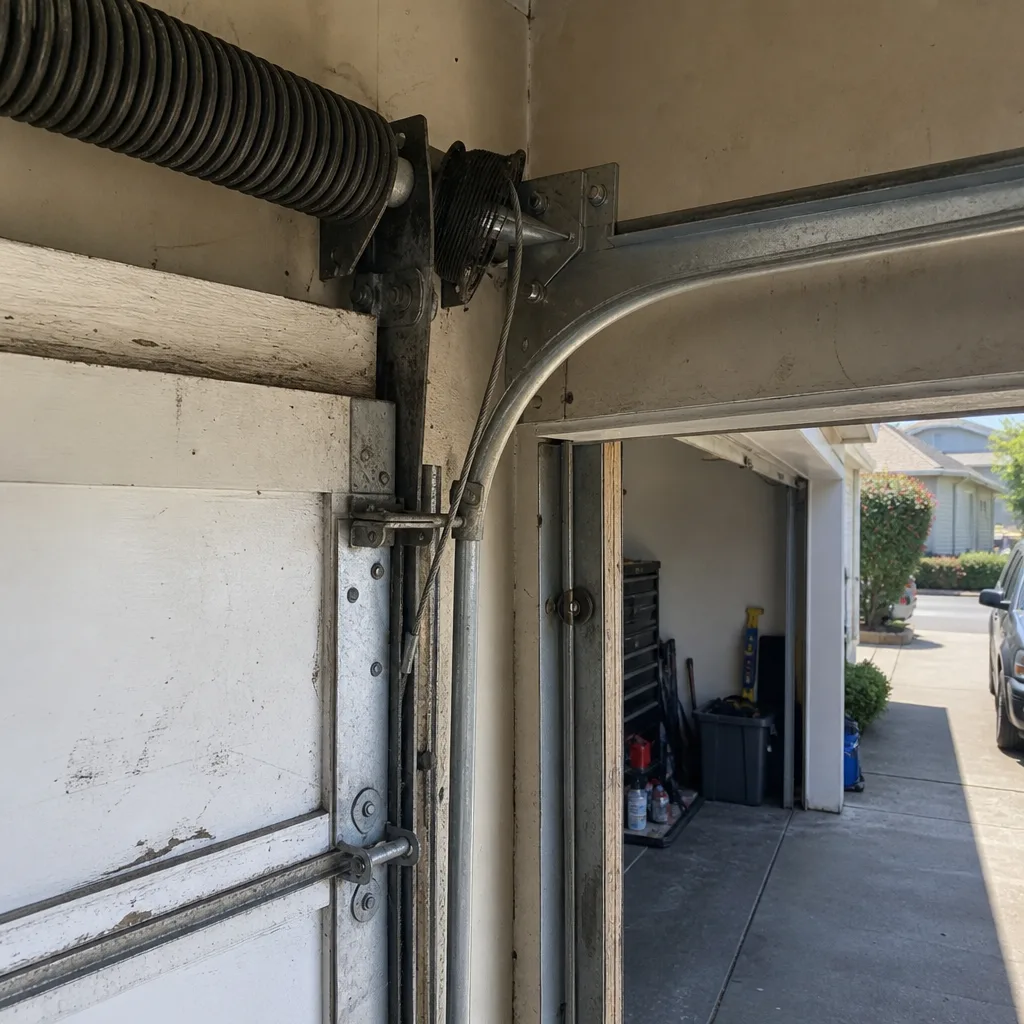 Before
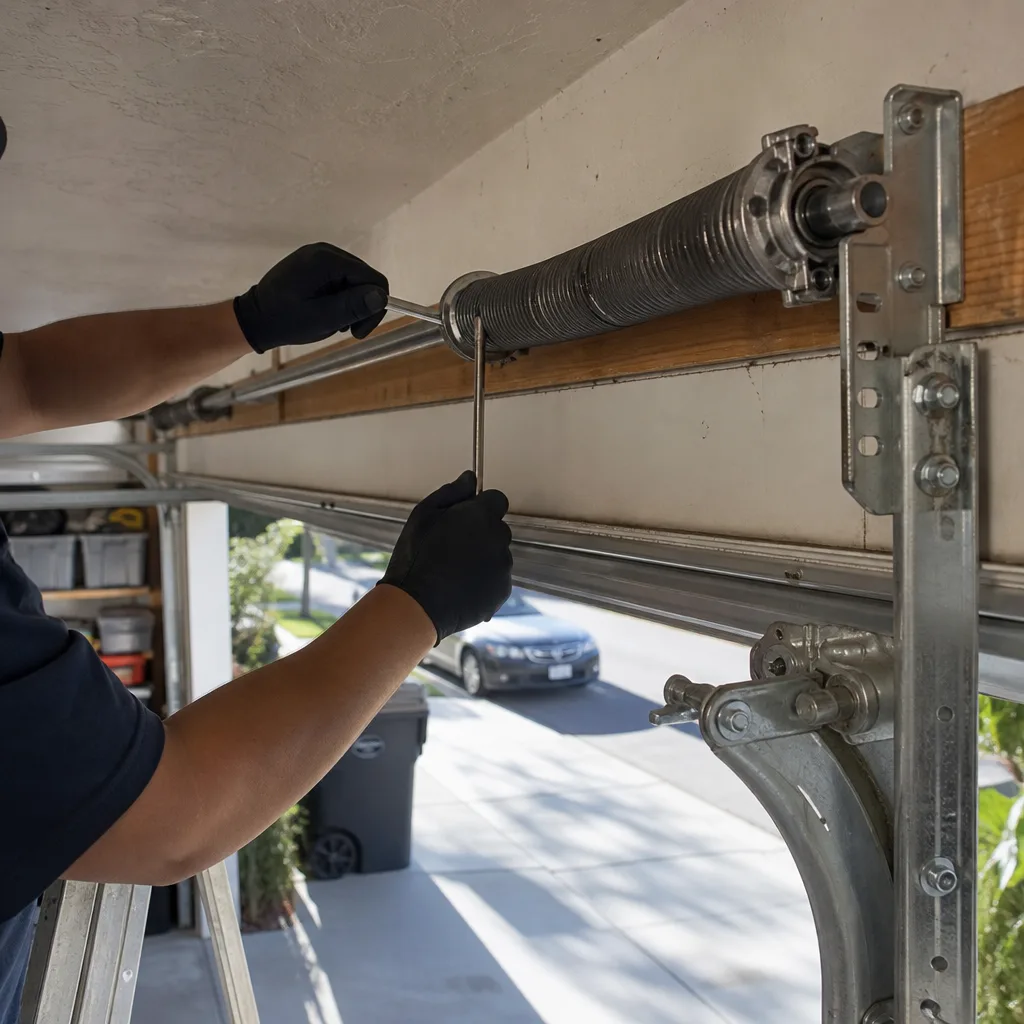 After
 Before
 After
 Before
 After