

Last updated October 31, 2026
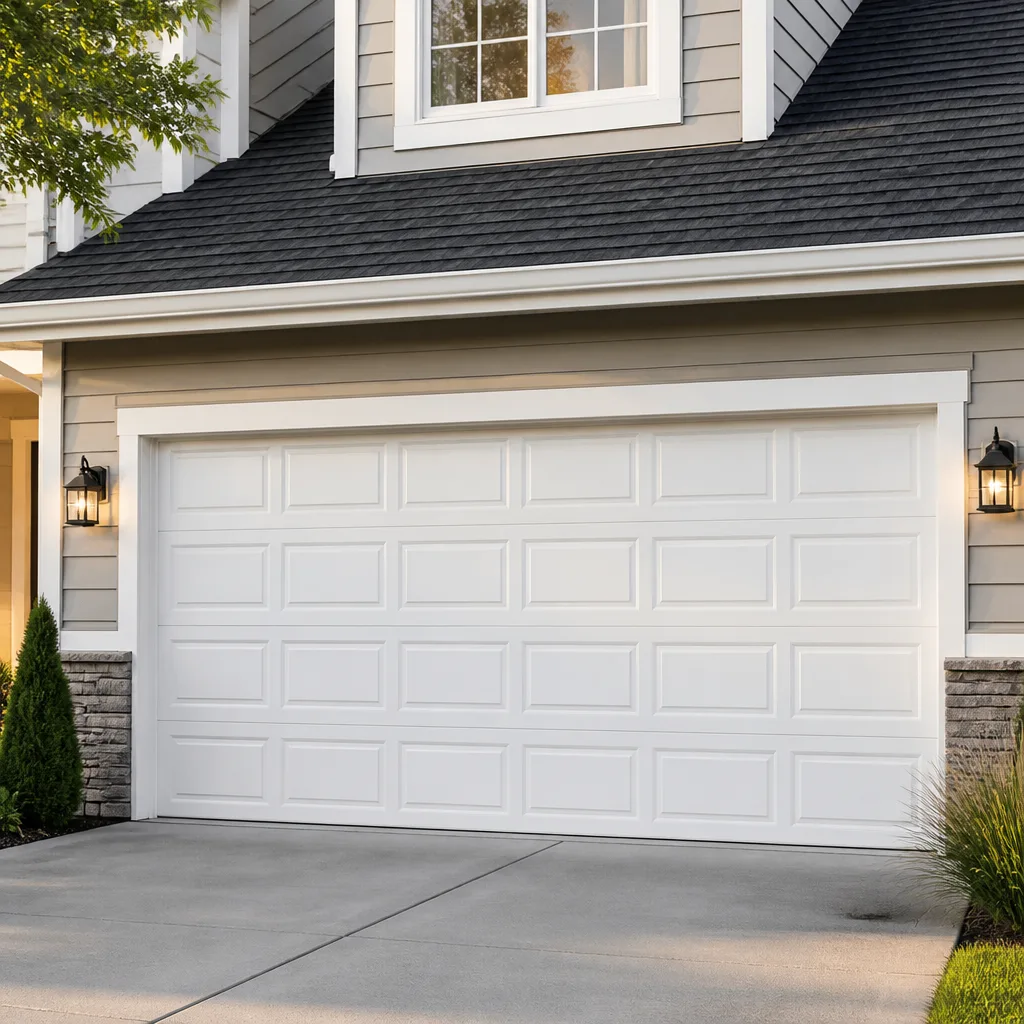 Raised-panel steel
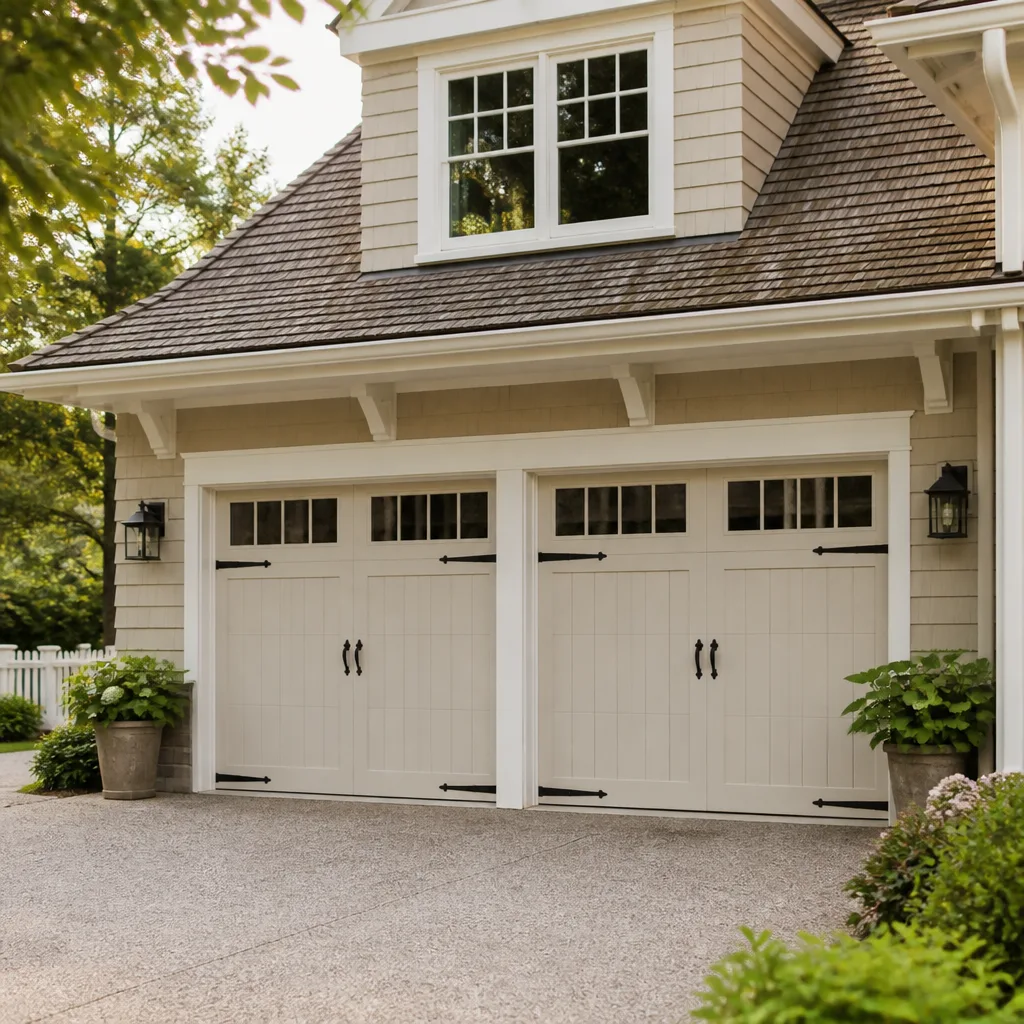 Carriage house
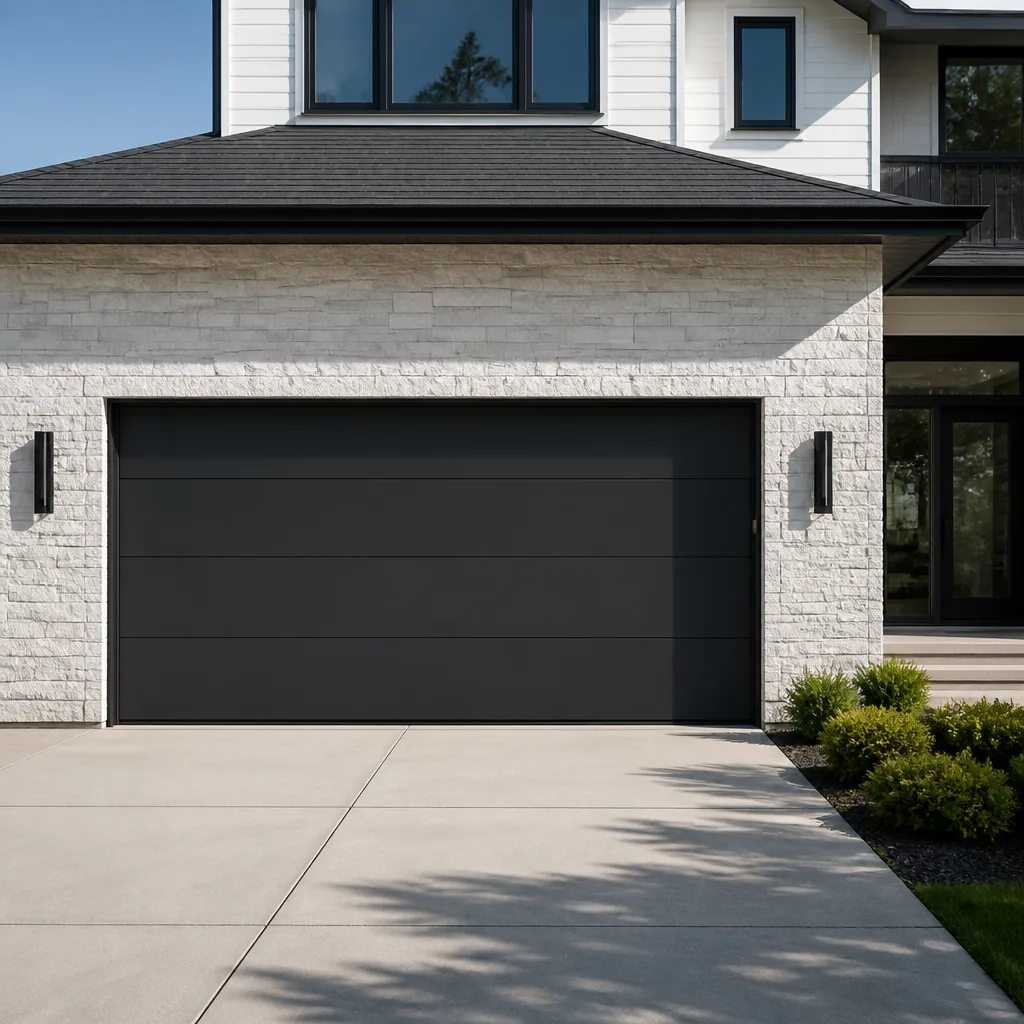 Modern flush
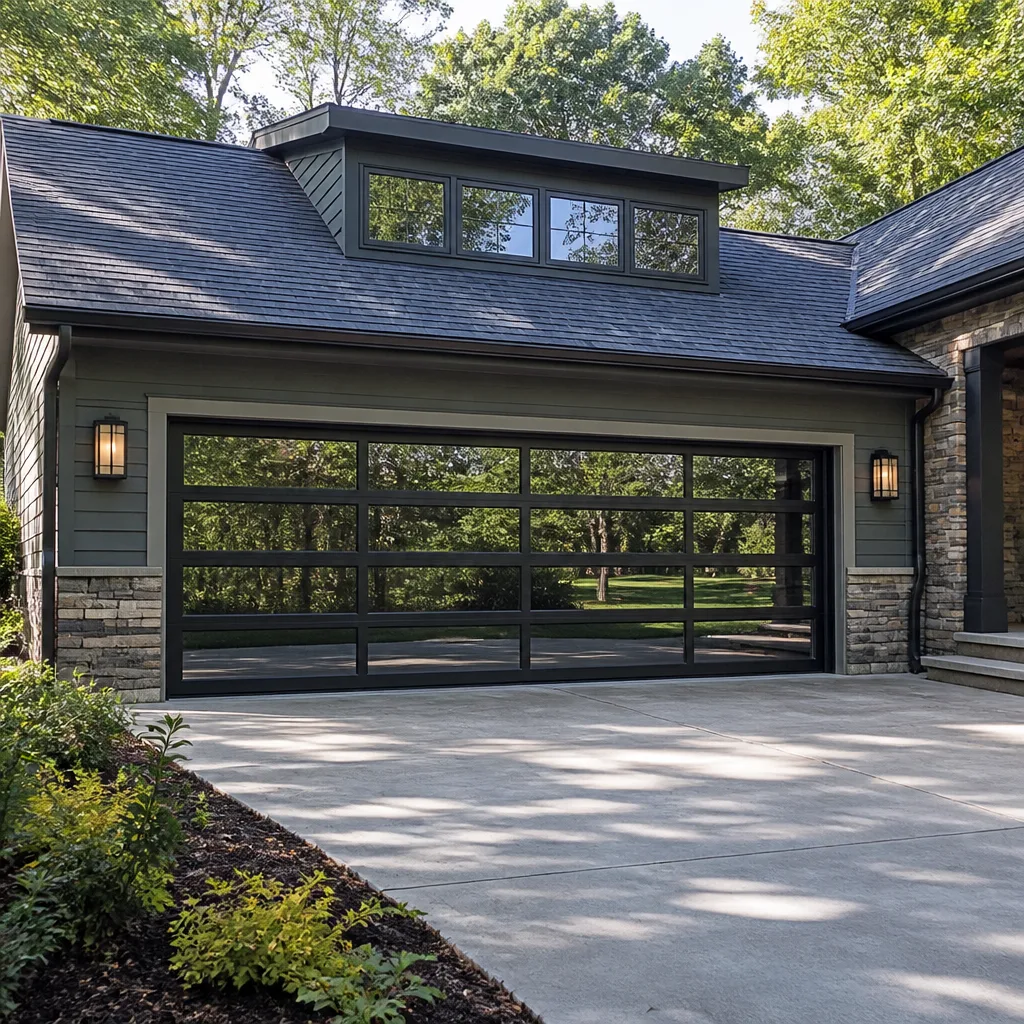 Full-view glass
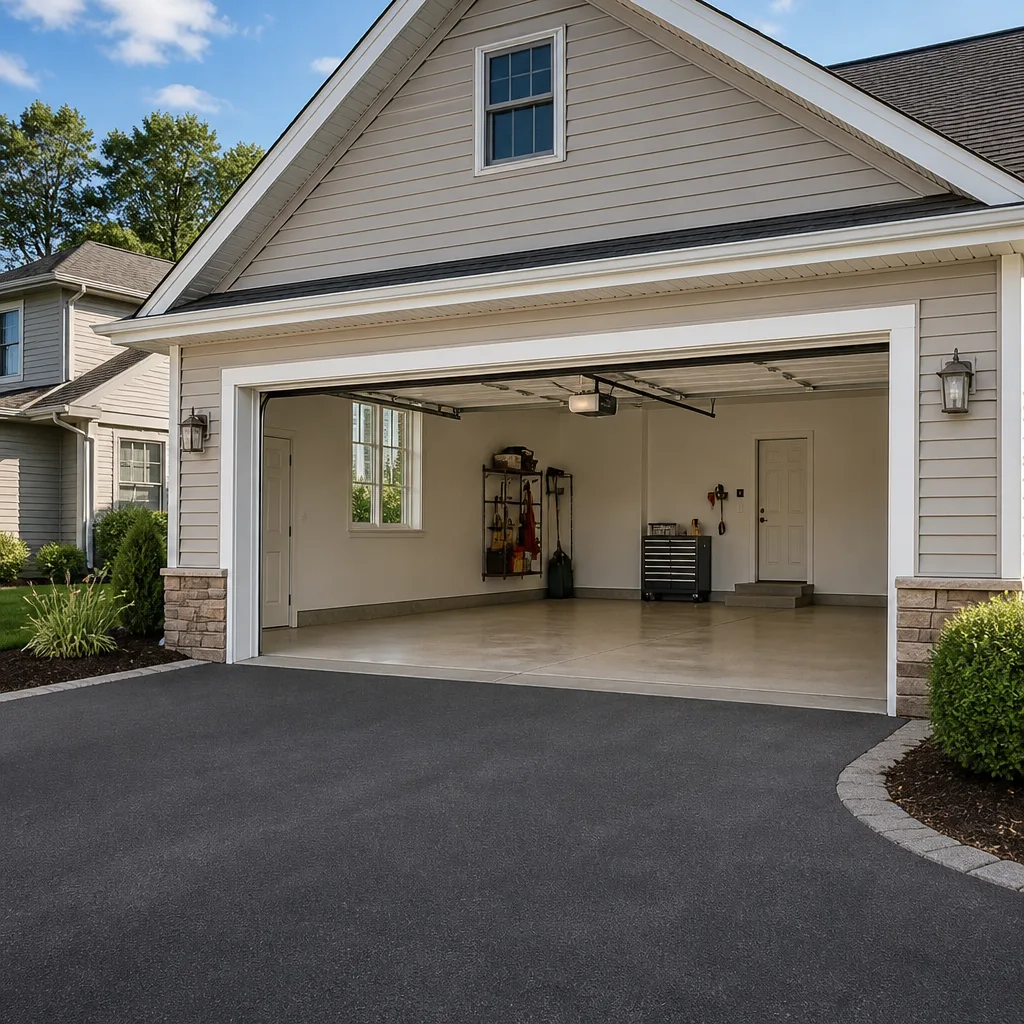 LiftMaster openers
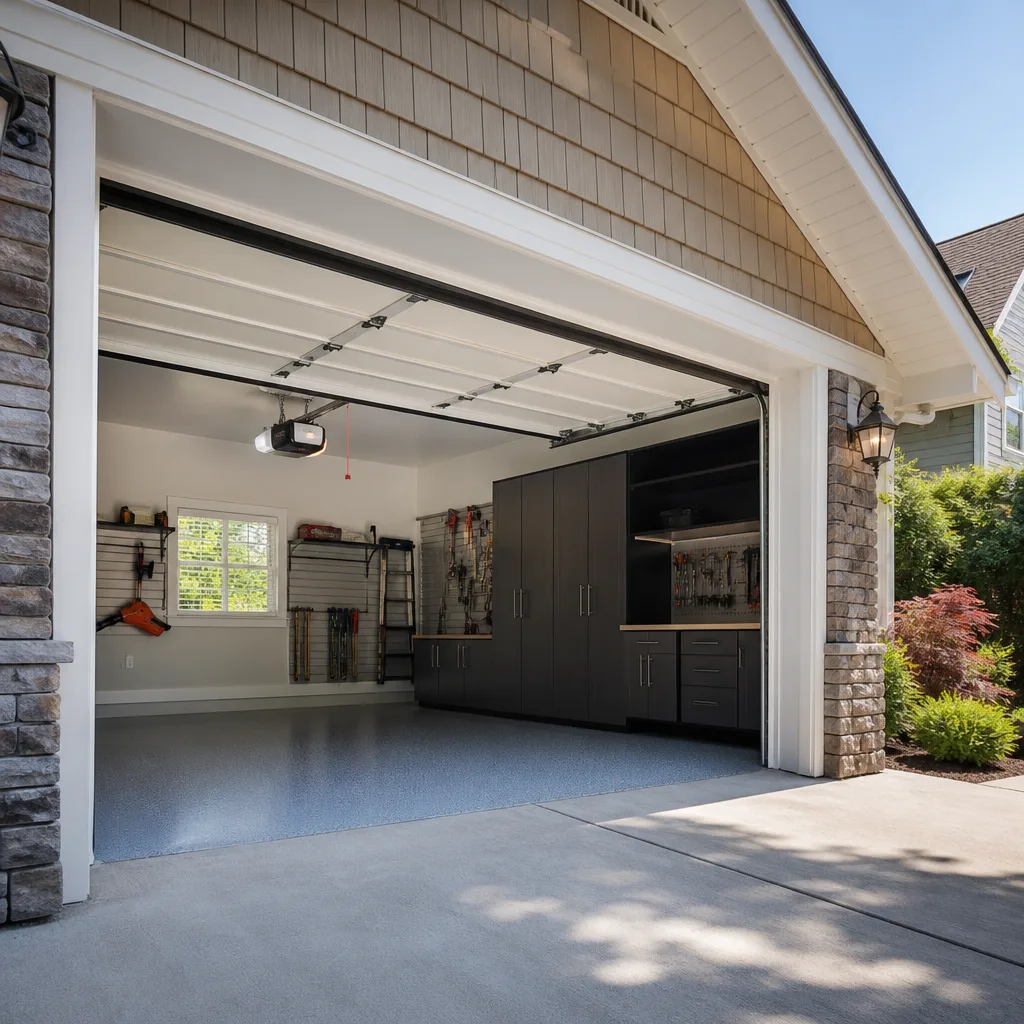 Chamberlain openers
Full 25-point door and opener safety check with every visit - springs, cables, rollers, tracks, and your LiftMaster or Chamberlain opener included
You get a price before we start. It does not change when the truck arrives.
Get your free estimateThe Complete Garage Door Repair Guide for Irvine Homeowners
Most Irvine homeowners don’t have a garage door problem. They have a diagnosis problem. They know something is wrong: a grinding noise, a door that hesitates, a spring that snapped at 6 AM on a Tuesday. What they don’t know is whether the issue is minor, major, or something in between. And that uncertainty is expensive. It leads to overpaying for simple fixes, or worse, under-fixing a problem that becomes a safety hazard or a full replacement. This guide gives you a clear map of the common garage door failures in Irvine, what causes them, which ones you can handle yourself, and which ones require a trained technician. We’ll cover why Irvine’s specific climate accelerates certain failures, what your HOA might restrict, and how to make the right call before you spend a dollar.
Styles & brands we work with
Quick Answer
Garage door repair in Irvine typically involves issues with broken torsion springs, worn rollers, misaligned tracks, or opener failures. The most common culprit is a snapped spring, which accounts for the majority of urgent calls from homeowners. Most repairs cost between $150 and $600 depending on the part and labor required, and genuine spring failures are not a DIY project: the tension involved can cause serious injury without the right tools and training.
Table of Contents
- Why Garage Doors Fail Differently in Irvine
- The 6 Most Common Garage Door Problems in Irvine
- The Brands You’ll Find in Irvine Tract Homes
- DIY vs. Professional Repair: A Clear Decision Tree
- HOA Considerations in Irvine Communities
- What Garage Door Repair Costs in Irvine
- Preventative Maintenance for Irvine’s Climate
- Common Mistakes to Avoid
- When to Call a Professional
- Frequently Asked Questions
- The Bottom Line
Why Garage Doors Fail Differently in Irvine
Irvine sits about 12 miles from the Pacific Ocean, and that proximity shapes every mechanical system in your home, including your garage door. The marine layer that rolls in during the evening brings moisture and salt particles that settle on exposed metal. Over time, that salt-laden humidity accelerates corrosion on springs, cables, roller bearings, and track hardware. Compared to inland cities like Corona or Riverside, where the air is dry and hot, Irvine garages see metal fatigue faster.
What does this mean in practical terms? We’ve opened panels on Irvine doors that looked fine from the outside but had springs with orange rust blooms at the stress points. That rust isn’t cosmetic. It weakens the metal grain, creates pitting, and shortens the spring’s functional life. A spring that might last 10,000 cycles in a dry climate could fail at 6,000 or 7,000 cycles in Irvine. If you open your garage door four times a day, that’s the difference between 7 years of service and 4.5 years.
Rollers are another casualty. Most Irvine garage doors use nylon rollers with steel ball bearings. The bearing is sealed inside the nylon wheel, but humidity finds a way. When that bearing dries out or rusts, the roller stops rolling and starts sliding. You’ll hear it: a metallic rasping noise each time the door moves. Left unfixed, that roller chews into the track, and a $30 roller replacement becomes a $250 track replacement.
What’s the inspection interval for a house in Irvine? We recommend a visual check of your springs and cables every 90 days if your door is more than 5 years old. Look for rust blooms, frayed cable strands, or a spring with visible gaps in the coil. Ten minutes a few times a year beats a thousand-dollar emergency call.
The 6 Most Common Garage Door Problems in Irvine
- Broken torsion spring – The spring counterbalances the weight of the door, which is typically 130 to 200 pounds for a double door in a standard Irvine tract home. When it snaps, the door won’t lift, or it lifts only a few inches. This is the single most common emergency call we handle in Irvine.
- Worn or seized rollers – As covered above, rust and humidity take their toll. A seized roller can also cause the door to bind mid-travel, which puts extra strain on the opener motor and the spring.
- Opener drive failure – Irvine’s attached-garage tract homes, especially those built between the 1990s and 2010s, commonly use direct-drive openers (LiftMaster and Chamberlain are the most common). The drive gear inside the opener is a known wear item. When it smooths out, the motor runs but the door doesn’t move.
- Misaligned or bent track – A bump from a car, a child’s bike leaning against the track, or simply years of vibration can knock a vertical track a half-inch out of alignment. The door then jerks or stops on the way up.
- Frayed cables – The cables work with the springs to lift the door. One or two broken strands on a cable is a red flag; the cable can snap without warning and the door can drop unevenly.
- Sensor misalignment – The photoelectric safety sensors near the floor can get nudged by a garbage can or a bike tire. The door refuses to close, or reverses halfway down. This one is simple to check and often fixed in minutes.
Each of these problems has its own failure pattern, and misdiagnosing one as another is expensive. A door that reverses halfway could be a sensor problem, or it could be an opener force-setting that drifted, or a broken spring on one side. Knowing the difference is what separates a five-minute fix from a diagnostic deep dive.
The Brands You’ll Find in Irvine Tract Homes
Irvine’s housing stock is corporate-built and master-planned. That means the garages are uniform: attached, mostly two-car, with doors that range from 16 to 18 feet wide. The builders installed what was cost-effective and available at scale. Three brands dominate: LiftMaster for openers, Clopay for doors, and Wayne Dalton for a mix of both in certain communities.
LiftMaster openers are sold through professional dealers and installed in huge numbers across Irvine’s tract developments. They use a direct-drive or belt-drive mechanism and are generally reliable. The failure mode we see most in Irvine is the drive gear wearing smooth after years of use, often because the door itself was slowly working harder due to worn rollers or a softening spring. The opener wasn’t the first failure. It was the victim of neglect elsewhere in the system.
Clopay doors are common in both builder-grade steel and higher-end overlay wood-look models. The failure mode here is panel corrosion on the bottom section, especially where sprinkler overspray hits the door, and rust at the hinge points. Clopay doors hold up reasonably well, but the bottom weather seal degrades quickly in Irvine’s marine air and should be replaced every two to three years.
Wayne Dalton doors appear in several Irvine communities, particularly in the older University Park and Turtle Rock neighborhoods. Their signature TorqueMaster spring system hides the spring inside a tube above the door, which means a broken spring doesn’t have the typical visual cue of a visible gap. Homeowners often misdiagnose a TorqueMaster failure as an opener problem because “the spring looks fine.” It doesn’t look fine. It’s hidden.
This mixed-brand reality matters when you make a repair call. A technician who only stocks one brand’s parts will arrive, diagnose, and then disappear for a week to order a TorqueMaster spring or a Clopay bottom panel. A multi-brand specialist who recognizes the system on sight saves you that week. We’ve always followed the same rule: fix the brand you own, not the brand we prefer. That’s why our trucks carry parts for LiftMaster, Chamberlain, Genie, Clopay, Amarr, Wayne Dalton, Craftsman, and Raynor systems.
DIY vs. Professional Repair: A Clear Decision Tree
The first rule of garage door repair is this: know which repairs are genuinely safe to attempt and which ones will hurt you. Garage doors are the largest moving object in your home, and the springs store enough energy to break bones or worse. Here is a straight decision tree.
- Is the spring visibly broken (gap in the coil, loud snap heard)? If yes, do not touch it. Call a professional. This is a non-negotiable. The spring is under several hundred pounds of tension, and the tools for replacing it are specialized. Not a DIY project.
- Is the door off its tracks, or is a cable visibly frayed or snapped? If yes, call a professional. The door is no longer balanced, and any attempt to open or close it can cause the door to fall. Cables are also under tension and can whip if they release.
- Is the door making a grinding noise but still opening and closing fully? This could be a worn roller or a dry bearing. You can try a temporary fix: apply a silicone-based lubricant to the hinges and rollers. If the noise persists, call a pro. It’s likely a roller replacement, which is a modest-cost fix that becomes expensive if ignored.
- Is the door reversing or refusing to close, and the sensors have a blinking light? This is usually a sensor alignment issue. You can fix it yourself: loosen the wing nut on the sensor bracket, realign the lens so both sensors face each other, and tighten. This is the one genuinely DIY-friendly repair on this list.
- Is the door moving slowly, or does it stop partway up? This could be a spring losing tension, a failing opener drive gear, or friction in the tracks. You can inspect the rollers and hinges for obvious rust. If nothing looks wrong, call a pro. The problem is inside the system, not visible from the outside.
The dollar threshold is simple: if the repair requires touching the spring, the cables, or the track, the cost of a professional is less than the cost of a hospital visit or a door falling on your car. If it’s a sensor, a lubrication, or a remote control programming issue, you can handle it with minimal risk.
HOA Considerations in Irvine Communities
Irvine is not one city. It is a patchwork of planned villages: Woodbridge, Turtle Rock, Northwood, University Park, Westpark, Oak Creek, and several others. Most of these communities have active HOAs with architectural review committees. That matters for garage door repair in one specific way: when a panel is damaged or a door needs replacement, you may not be free to choose just any color, material, or style.
Woodbridge, for example, has strict finish guidelines. Many homes are allowed only a limited palette of muted door colors (beige, sand, warm white, light brown) and specific paint finishes. If you replace a door with a bright white steel door on a home that requires a sand-colored wood-look door, the HOA can require you to repaint or replace it at your cost. Turtle Rock has similar restrictions, especially on homes with street-facing garage doors. Northwood’s newer sections are somewhat more flexible, but the older Pointe communities follow the original builder’s color book.
Before you replace a garage door panel or an entire door in Irvine, check your community’s architectural guidelines. The CC&Rs usually specify approved colors and materials. If you don’t have a copy, your HOA management office does. A thirty-minute phone call saves you from a rejected replacement and a second installation bill.
What we tell Irvine homeowners is simple: tell your installer which community you live in. We’ve worked in Woodbridge, Turtle Rock, Northwood, and the newer developments around the Great Park, and we know which materials clear review and which ones get flagged. A door that matches the approved palette is a door that gets approved the first time.
What Garage Door Repair Costs in Irvine
Irvine is a high-cost market, and garage door repair prices reflect that. Glassdoor and contractor databases consistently place Orange County in the top 15% of U.S. home-repair costs. Here is a realistic breakdown of what homeowners can expect.
- Broken spring replacement (single spring, torsion system): $180 to $300, including parts and labor. Double spring (larger doors): $300 to $450.
- Roller replacement (full set of 10 to 12 nylon rollers): $120 to $200.
- Opener drive gear replacement: $150 to $250, depending on brand (LiftMaster and Chamberlain gears are widely available).
- Sensor replacement or realignment: $75 to $125 if the sensor itself is bad; $50 to $75 for a simple realignment.
- Track realignment: $100 to $150 for a simple bend correction; $250 to $400 for a full track replacement.
- Cable replacement (pair): $150 to $250.
- Complete new door installation (16-foot double door, steel): $1,800 to $3,500, depending on material and finish. Wood-look composite doors run $3,000 to $5,500.
Pricing note: always get a written price before work starts, and make sure that price includes the parts and the labor. A reputable shop quotes a flat rate for a spring replacement, not an hourly estimate. If a technician quotes an hourly rate for a spring job, call someone else.
Preventative Maintenance for Irvine’s Climate
The best repair is the one you never need. Irvine’s marine layer and salt air make regular maintenance more important here than in most of Southern California. Here is a maintenance schedule that accounts for our specific conditions.
- Every 90 days: Visual inspection of springs, cables, rollers, and track hardware. Look for rust blooms on springs, frayed cable strands, cracked roller wheels, and loose track bolts.
- Every 6 months: Lubricate the rollers, hinges, and springs with a silicone-based garage door lubricant. Do not use WD-40; it is a solvent, not a lubricant, and it strips the existing grease from the bearings.
- Every 12 months: Test the door balance. With the opener disengaged, lift the door halfway by hand. It should stay in place. If it drops, the spring is losing tension and needs adjustment. Test the auto-reverse feature: place a 2×4 on the floor under the door and close it. The opener should reverse within 2 seconds of contacting the wood.
- Every 2 to 3 years: Replace the bottom weather seal. The salt air eats the rubber, and a degraded seal lets moisture and debris into the garage.
- Every 5 years: Have the rollers and hinges professionally inspected. Nylon rollers last 10,000 to 20,000 cycles, but in Irvine humidity, they often need replacement at the 5 to 7 year mark.
Common Mistakes to Avoid
- Lubricating with WD-40. As noted in the maintenance section, WD-40 is a solvent. It temporarily quiets a squeak and then leaves the metal drier than before. Use silicone spray or white lithium grease instead.
- Ignoring a snapped spring for “a few days.” The opener motor is now lifting a 200-pound door without spring assistance. It will burn out the drive gear or the motor itself. A $250 spring replacement becomes a $500 spring-plus-gear replacement.
- Assuming the opener is the problem when the door won’t open. The opener is often the messenger, not the culprit. A door that strains to open usually has a weak spring or a seized roller. Replacing the opener without fixing the door wastes money and doesn’t solve anything.
- Painting a replacement panel to “match” without checking HOA rules. A close-enough color that doesn’t match the approved palette gets you a compliance letter and a repainting bill. Verify before you paint.
- Buying cheap online rollers from a no-name brand. The $12 set of rollers from an online marketplace rarely lasts a year in Irvine’s humidity. Name-brand nylon rollers (or even quality steel rollers with sealed bearings) last several times longer for a few dollars more.
- Adjusting the spring yourself. Even “just a quarter turn” of the set screws can release the spring’s tension unpredictably. Do not do this. The injury risk is severe, and no amount of money saved is worth a broken hand or a gashed forearm.
- Forgetting to test the auto-reverse feature. That sensor and force-setting exists because a garage door closing on a child or a pet is lethal. After any repair or opener adjustment, place a 2×4 under the door and verify it reverses. If it doesn’t, call a pro immediately.
When to Call a Professional
Call a garage door professional when the spring snaps, when the cables fray or break, when the door comes off its track, or when the opener motor runs but the door doesn’t move. These are not ambiguous situations. They are mechanical failures that require specialized tools, training, and the correct replacement parts for your specific brand. A trained technician can also diagnose the underlying cause: a snapped spring often has a root cause (lack of lubrication, worn rollers causing stress on the spring) that should be fixed in the same visit. Redstone Garage Door Repair offers free estimates in Irvine. Call (855) 492-3366 and we’ll tell you exactly what’s wrong and what it costs before any work begins.
Frequently Asked Questions
Most our Garage Door Repair services in Irvine cost between $150 and $600. Broken spring replacement runs $180 to $450, roller replacement $120 to $200, and opener drive-gear repair $150 to $250. A complete new door installation starts around $1,800 for a basic steel double door. Call (855) 492-3366 for a free estimate specific to your door and brand.
Yes, spring replacements, roller swaps, sensor fixes, and track realignments are typically same-day jobs. We stock parts for LiftMaster, Chamberlain, Genie, Clopay, Amarr, Wayne Dalton, Craftsman, and Raynor systems, which means we don’t have to leave and come back with a part. Call (855) 492-3366 and we’ll get you on today’s schedule if we have availability.
Yes. The opener and the door are two separate systems, and we work on both. Many Irvine homes have mismatched brands because builders installed whichever door was cheapest and whichever opener was on contract. A multi-brand approach means we diagnose the actual failure instead of blaming one system or the other. That’s why our service covers the full system: door, opener, tracks, springs, and sensors.
No. Torsion springs are under several hundred pounds of tension, and the winding bars and techniques required are specialized. A spring that releases unexpectedly can break bones, cut deeply, or throw a tool across the garage. Even an experienced handyman should leave spring work to a garage door technician who carries the right tools and parts on the truck for the specific spring size your door needs. For a deeper look at this choice, see DIY vs Professional Garage Door: The Irvine Homeowner’s Decision Guide.
In many communities, yes. Woodbridge, Turtle Rock, and parts of Northwood have architectural review guidelines that specify approved door colors, materials, and styles. Check your CC&Rs or contact your HOA management office before replacing a door or a panel. We’ve worked extensively in Irvine’s HOA communities and can help you select a door that clears review the first time. For details, read The Complete Guide to Garage Door in Irvine.
No. We quote a flat price before work starts, and that price does not change unless you authorize additional work. You’ll know exactly what the repair costs before we touch a single bolt. Call (855) 492-3366 and we’ll give you a free same-day estimate over the phone or in person.
The Bottom Line
Your garage door is a mechanical system that works hard every day, and Irvine’s salt-tinged marine air makes it work harder. The springs rust faster. The rollers seize sooner. The openers strain against doors that no longer move freely. The good news is that most failures are predictable, and predictable means preventable. Inspect your springs and cables every 90 days. Lubricate twice a year. Test the balance and auto-reverse annually. When something does break, call a technician who recognizes your specific brand and carries the parts to fix it on the first visit. That’s the difference between a garage door that works smoothly for years and one that eats openers, rollers, and patience. If you’re in Irvine and your door isn’t working the way it should, call us at (855) 492-3366 for a free estimate. We fix the brand you own.
Written by the team at Redstone Garage Door Repair, serving Irvine since 2015. Browse more guides & resources.
See the difference
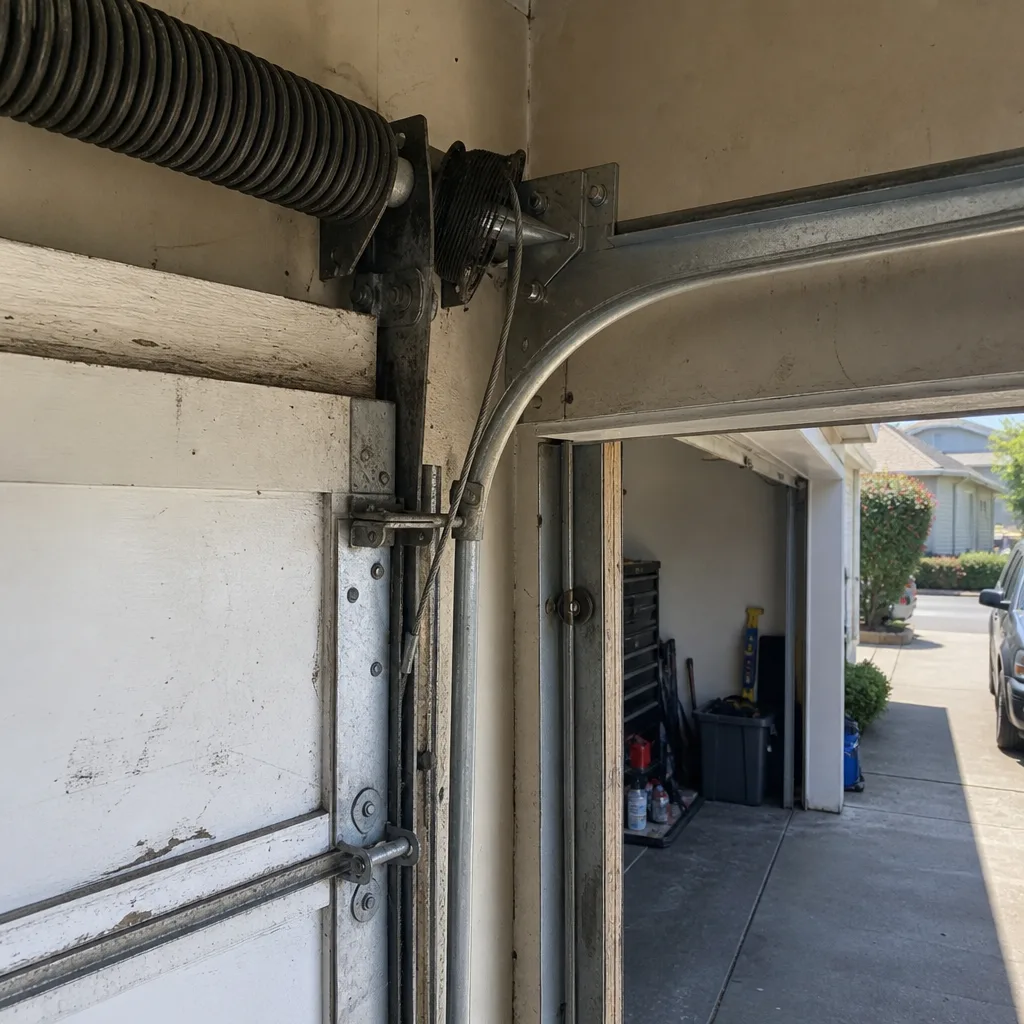 Before
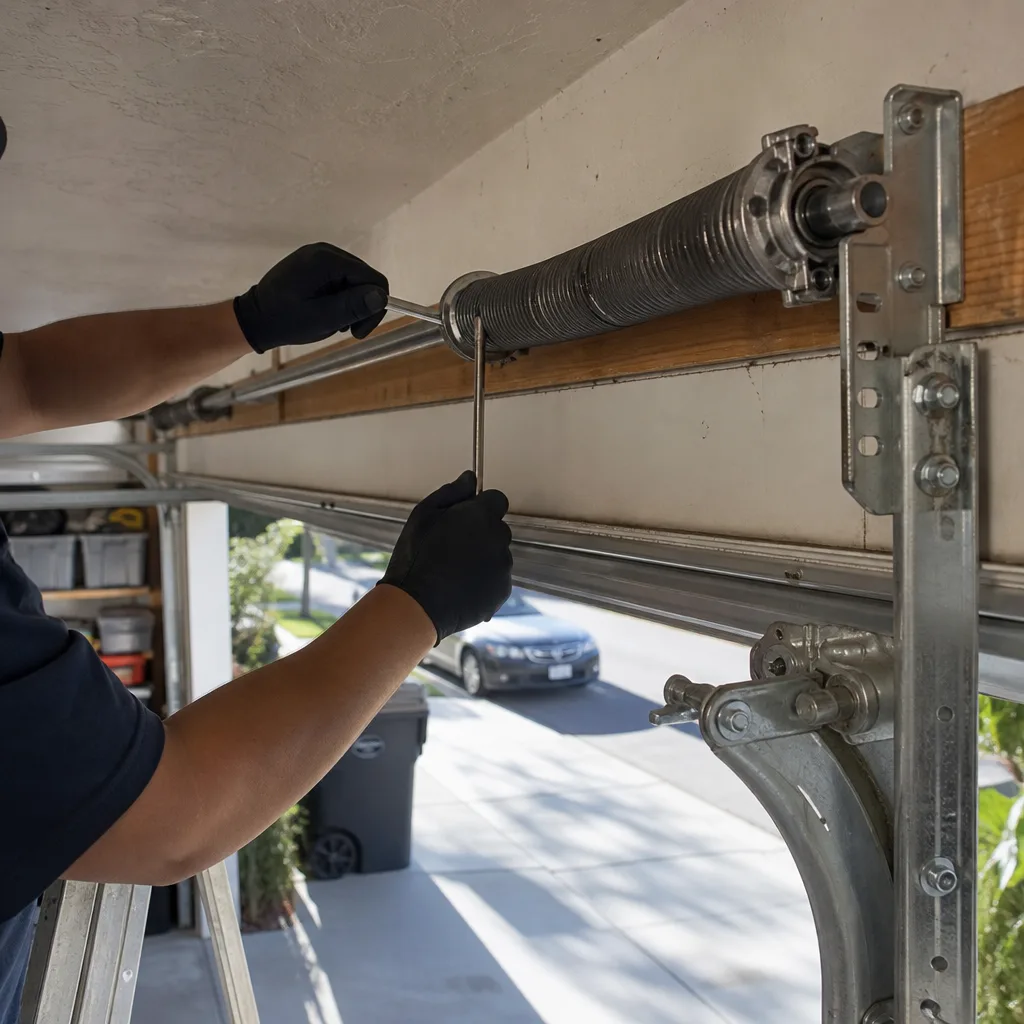 After
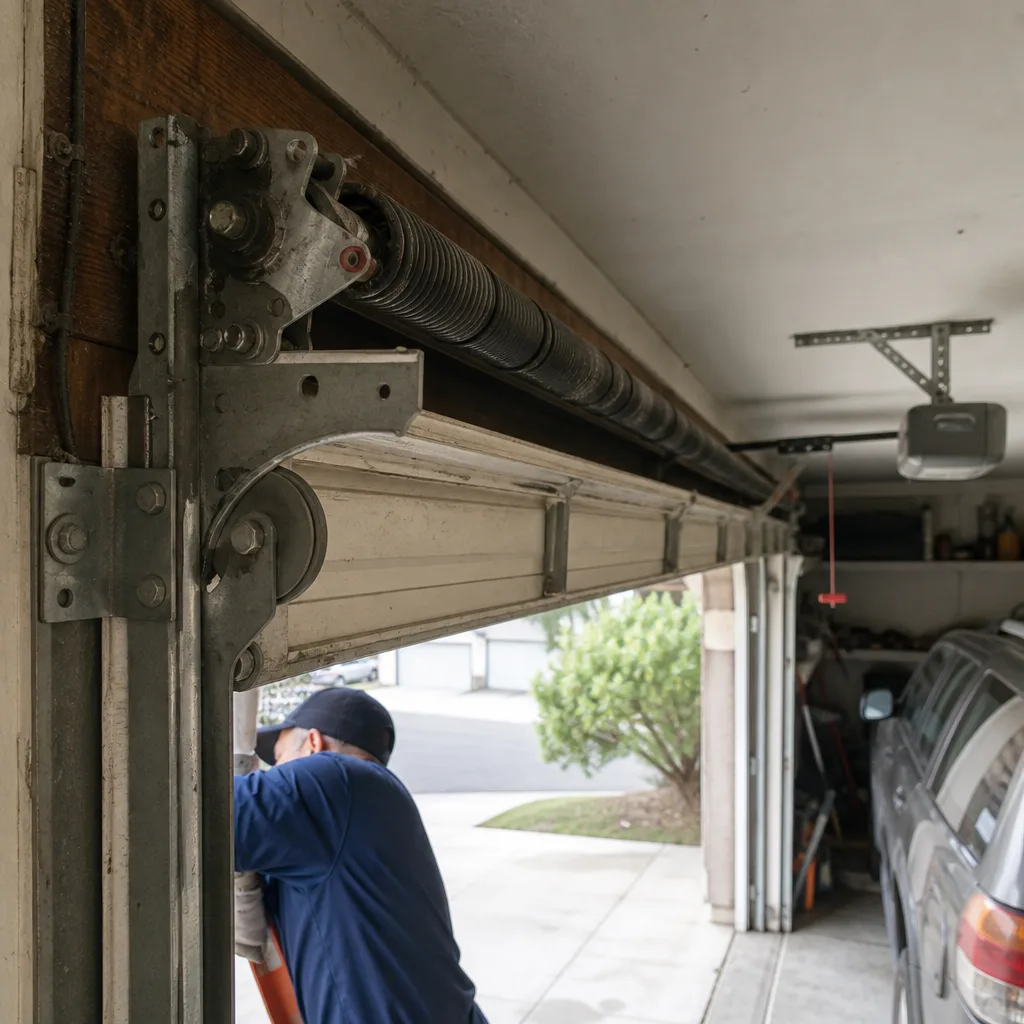 Before
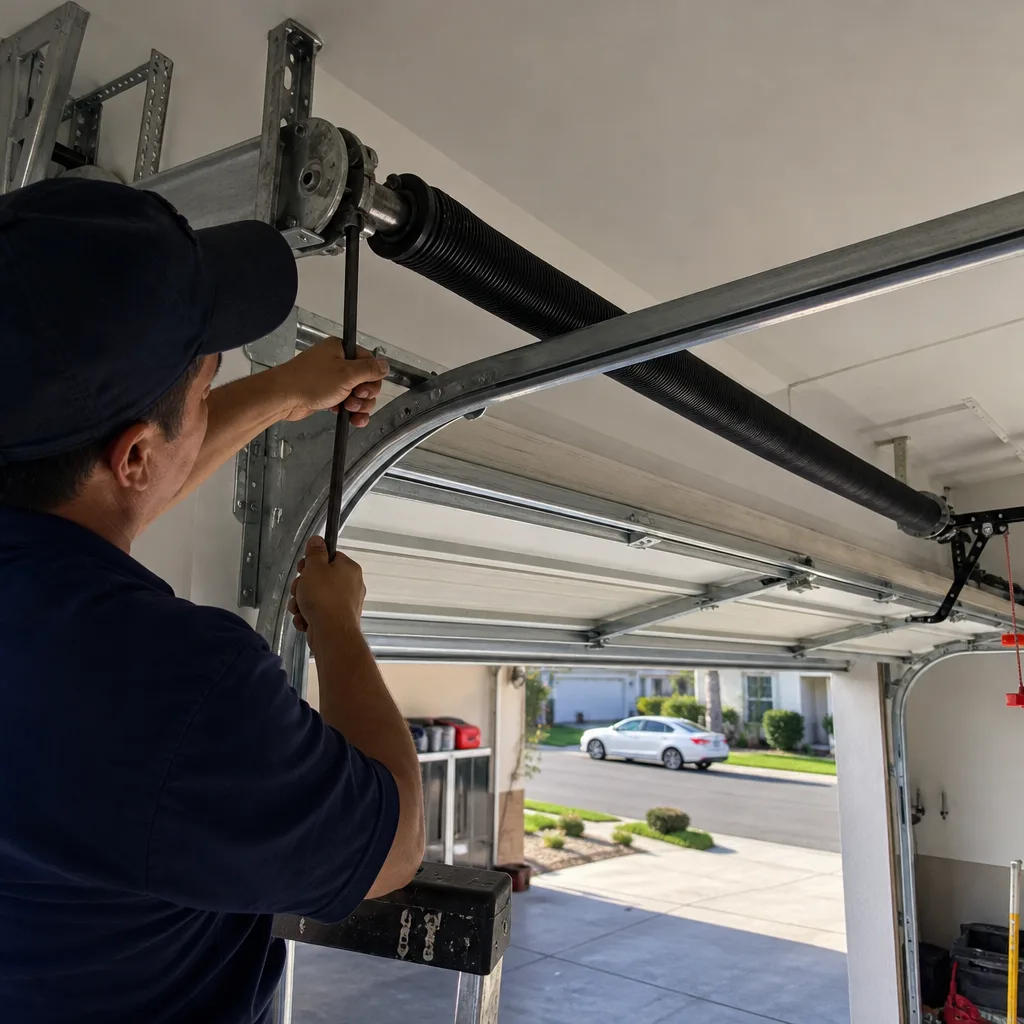 After
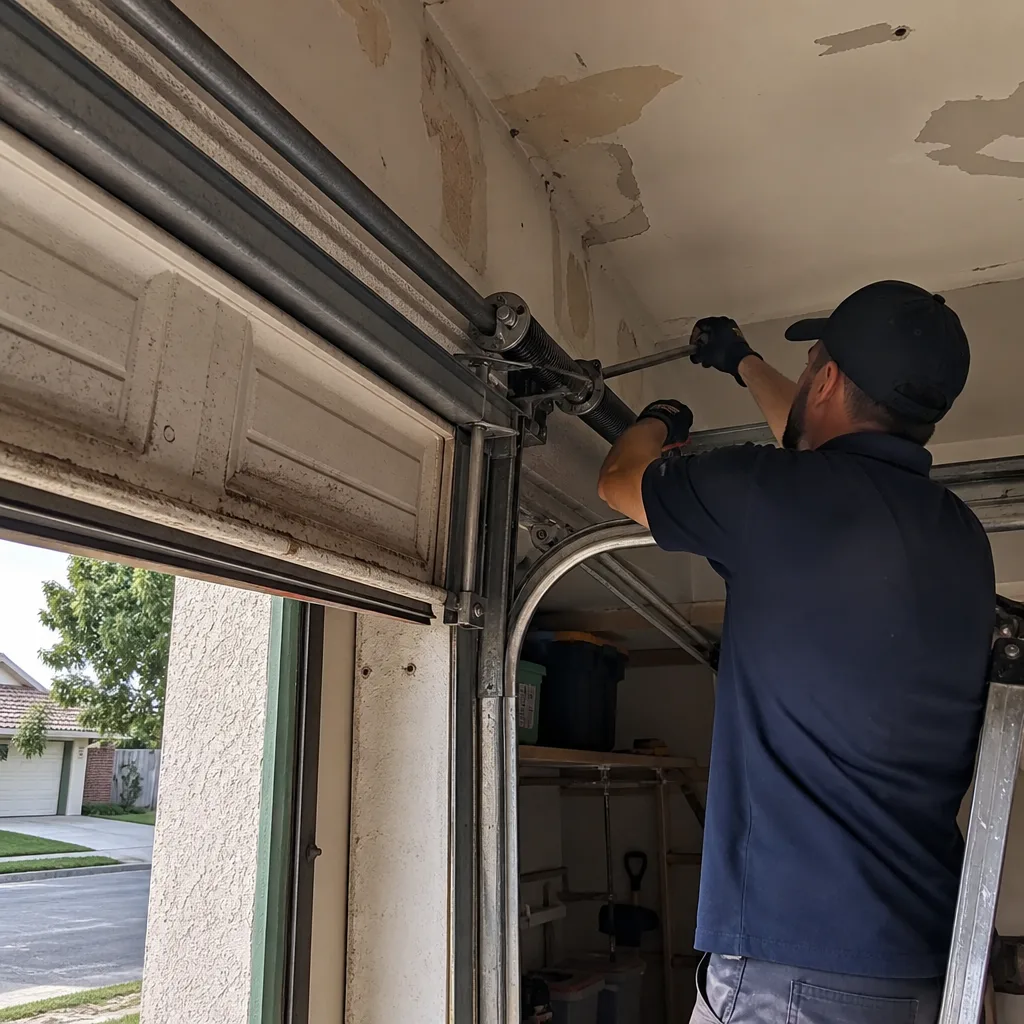 Before
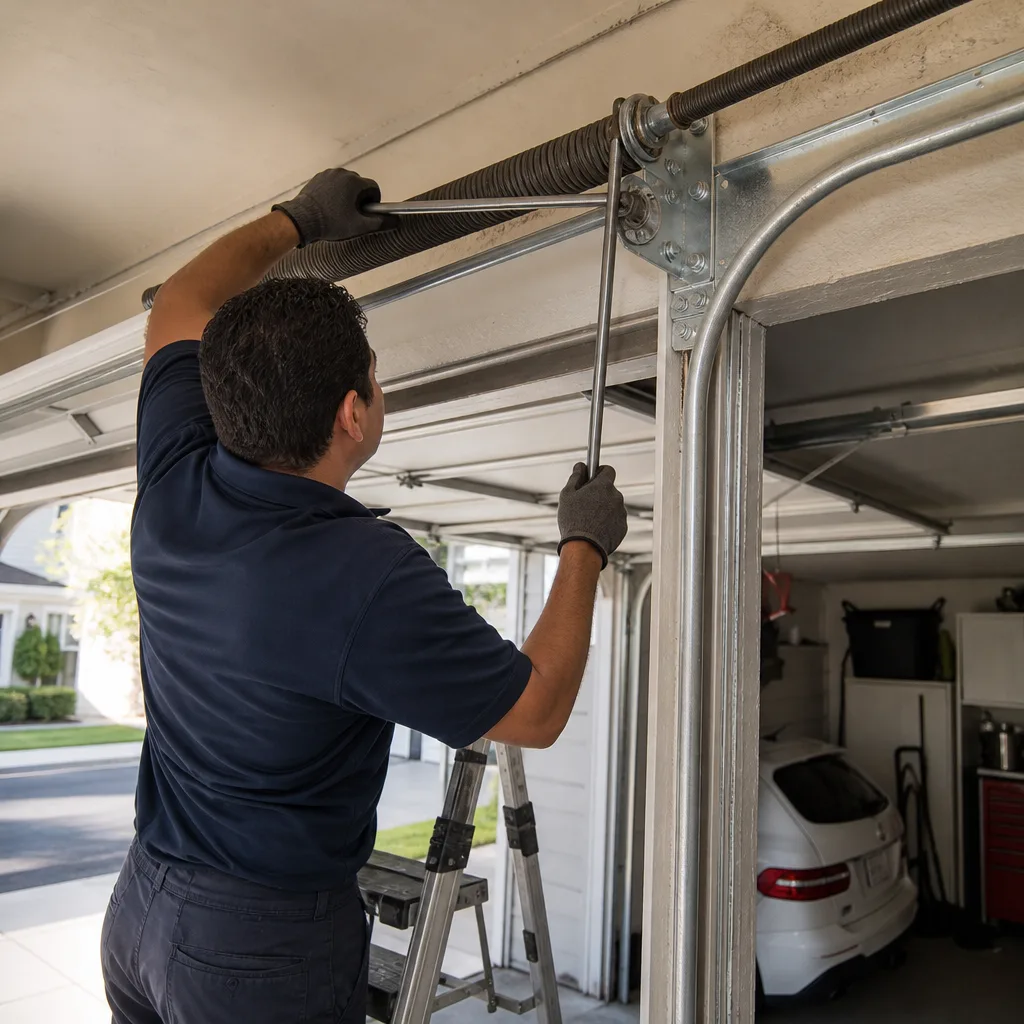 After